





 0
Badminton's Biggest Stage Isn't the Olympics. It's Ichinomiya.
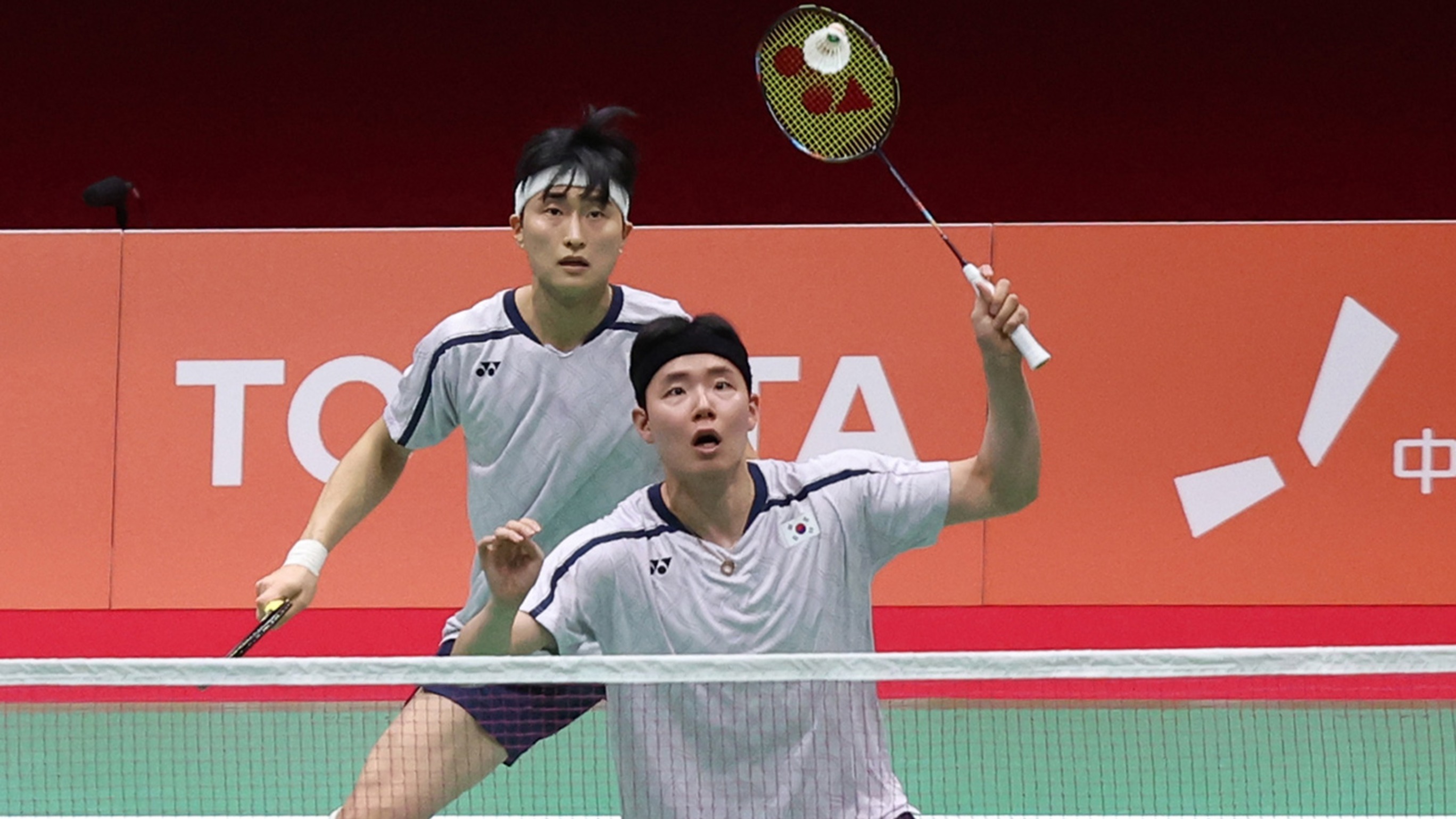
The Asian Games badminton team competition runs September 21-24 at Ichinomiya City Municipal Gymnasium, and the draw itself tells you almost everything about where this sport's actual center of gravity sits: China, Indonesia, Japan and South Korea occupy four of the tournament's genuine title contenders, a concentration of elite depth no other continent comes remotely close to matching in this specific sport.
That's not a coincidence of geography. It reflects decades of infrastructure, school-level participation, and national investment that's made badminton function almost like a defining national sport across multiple Asian countries simultaneously, in a way very few global sports replicate anywhere else.
Why these specific countries, and not others
China's women's doubles program has produced such sustained dominance that an all-Chinese final is a realistic outcome at almost any major tournament, a depth advantage built on systematic talent identification programs that start at a genuinely young age. Indonesia treats badminton with something close to the cultural weight football carries in Brazil or cricket carries in India, a national obsession that translates directly into youth participation numbers most countries in any sport would envy.
Japan and South Korea have each built their own competing models, sophisticated domestic league systems and disciplined developmental pathways that have made both countries genuine threats to unseat China and Indonesia at any given major tournament, evidenced by Japan's win over China at this year's Badminton Asia Team Championships.
What "center of gravity" actually means for a sport
Most global sports have a clear geographic hub, English football's cultural weight in Europe, basketball's in North America, but badminton's concentration in East and Southeast Asia specifically is unusually stark even by that standard. The gap between Asia's depth in this sport and the rest of the world's isn't marginal. It's close to total, with genuine title contenders essentially all coming from a handful of Asian nations regardless of which specific tournament is being contested.
That concentration shapes the entire structure of the sport's competitive calendar, its biggest tournaments, its deepest talent pipelines, its most valuable domestic leagues, in ways that would look completely different if badminton's popularity were spread more evenly across the world the way tennis or basketball's is.
Why India's presence matters as a genuine test case
India enters this tournament as reigning silver medalists, having reached the Hangzhou final before losing to China, and their continued progress represents one of the clearer examples of a country genuinely breaking into a region already defined by entrenched, generational badminton powers. Their path through this draw, projected to face Japan in the quarterfinals and potentially Korea in the semis, is as much a test of whether badminton's established hierarchy can be disrupted as it is a medal chase.
What actually explains badminton's uniquely concentrated Asian dominance compared to how other global sports distribute their competitive power more evenly, and is that concentration something other regions could realistically break in a generation, or is it now too structurally entrenched to shift?

Sarajevo Back at the Heart of Regional MMA: SFC Returns with Explosive Matchups

How Buzzer Karma Works: Levels, Penalties, and What They Mean

Inside Buzzer's Latest Update (and Why It Changes How You Use the App)

Buzzer Introduces Ads Console: A New Era of Advertising Across the Entire Buzzer Ecosystem

Buzzer Is Evolving: From Quantity to Quality

Buzzer Now Has a Games Hub, and Tournaments Are Coming

Polo Al Taco Expands Its Global Reach Through Weekly Livestreams on Buzzer Arena TV

Al Ittihad SC's Matches Are Now Live on Buzzer

Palm City vs Gulf United Ends in 1–1 Draw in UAE Second Division League Clash

"We Don't Take the Guy With the Camera." He Built His Own Club Anyway. Now He's Coming to Find You.


 1


