





 0
Women's Basketball's World Cup Is Proving It Doesn't Need to Apologize for Anything
Sixteen teams, four confederations, and a group stage in Berlin that's already produced results nobody had circled beforehand: Mali upsetting Spain, South Korea knocking off world No. 8 Nigeria, France putting up 99 points on Hungary. This is the 20th edition of the FIBA Women's World Cup, and it's arguably the deepest field the tournament has ever assembled.
That depth is the actual headline, more than any single result.
Why "Deepest Field" Isn't Just a Marketing Line
Spain and Turkey are both back after missing out in 2022. Nigeria returns after sitting out that same edition. Canada, fourth-place finishers three years ago, didn't even qualify this time after missing a tiebreaker. That's a level of churn at the top of women's international basketball that didn't used to exist, where established programs can no longer assume qualification and newer basketball nations are pushing their way in.
When Mali can beat Spain and South Korea can beat Nigeria in the same tournament, that's not chaos, that's competitive balance actually arriving in a sport that's historically been dominated by a handful of programs.
The USA Isn't Just Cruising Through It Either
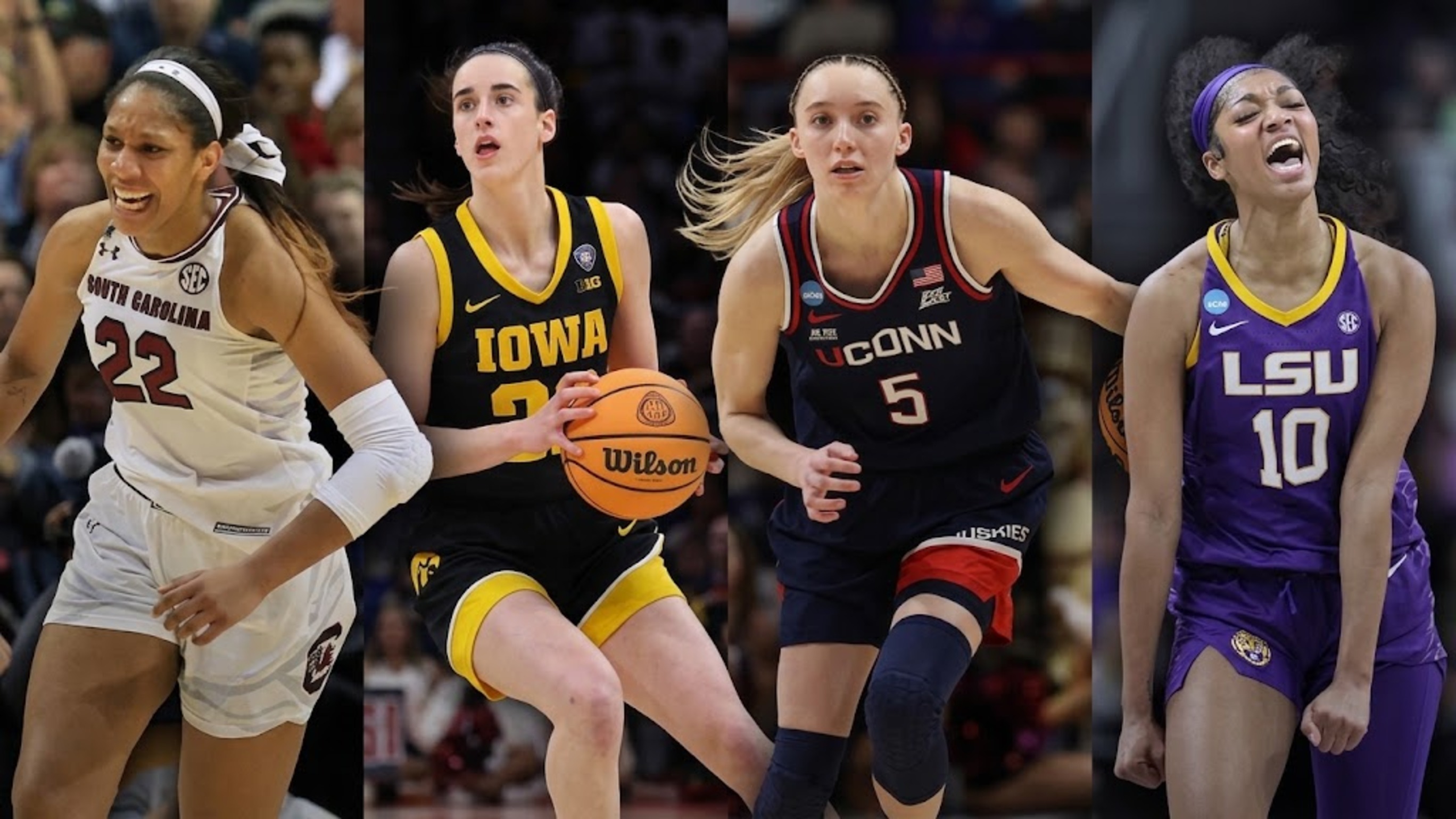
Team USA needed a narrow 55-52 win over Italy, their closest World Cup game in twenty years according to those tracking the tournament's history. Caitlin Clark made history in her World Cup debut. None of that reads like a superpower steamrolling a weaker field, it reads like a genuinely competitive global tournament where even the favorites have to show up.
What This Means Going Forward
Every one of these upsets and near-upsets builds an argument that doesn't get made often enough: women's basketball's international game is deep, competitive, and produces exactly the kind of unpredictable moments that make people fall in love with tournament basketball in the first place. The talent concentration people worry about, too many stars and not enough roster spots across leagues, is actually showing up here as a positive: more countries with real NBA and WNBA-caliber talent than ever before.
Berlin runs through September 13, with the knockout bracket about to separate the teams that can finish from the teams that can only surprise. Given how the group stage has gone, betting on which teams belong in which category feels riskier than usual this year.
That unpredictability also changes what winning this tournament means. A champion will not simply have to survive one dangerous opponent; they may need to navigate several teams capable of producing an upset on any given night. For the established powers, that makes every possession more valuable and every poor performance potentially decisive. For the emerging nations, it creates something even more important: belief that they genuinely belong. And that matters beyond Berlin, because competitive games against the world's best give developing programs the experience, confidence and visibility needed to turn one breakthrough into a sustained presence on the international stage.
If a World Cup group stage can already produce this many genuine shocks, what's stopping more casual fans from tuning in for the knockout rounds?

Sarajevo Back at the Heart of Regional MMA: SFC Returns with Explosive Matchups

How Buzzer Karma Works: Levels, Penalties, and What They Mean

Inside Buzzer's Latest Update (and Why It Changes How You Use the App)

Buzzer Introduces Ads Console: A New Era of Advertising Across the Entire Buzzer Ecosystem

Buzzer Is Evolving: From Quantity to Quality

Buzzer Now Has a Games Hub, and Tournaments Are Coming

Al Ittihad SC's Matches Are Now Live on Buzzer

Palm City vs Gulf United Ends in 1–1 Draw in UAE Second Division League Clash

"We Don't Take the Guy With the Camera." He Built His Own Club Anyway. Now He's Coming to Find You.

Building the Infrastructure Sports Tech Forgot


 1


