

 0
0
A Stadium Complex Was Built Before the Country Even Had a League
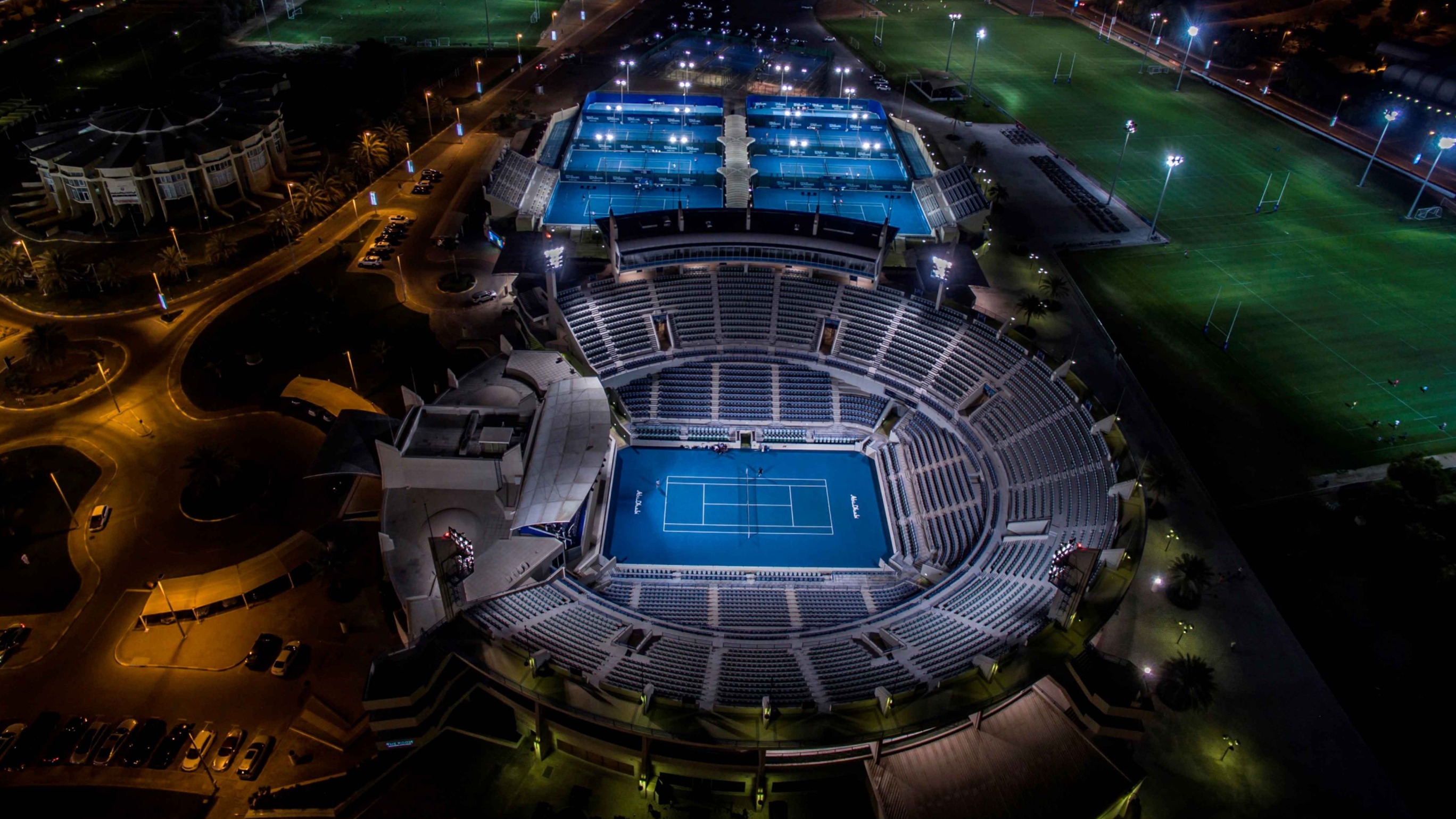
Zayed Sports City in Abu Dhabi now hosts football matches, tennis tournaments, and major international events across multiple sports every year.
What’s easy to forget is how early it was built, well before the UAE had developed anything close to the deep sporting calendar it runs today.
Building the infrastructure first
Zayed Sports City opened in 1980, named after Sheikh Zayed bin Sultan Al Nahyan, the UAE’s founding president. At the time, the country was less than a decade old, still developing its basic infrastructure across nearly every sector, not just sport. Building a major, purpose-designed sports complex that early reflected a genuine bet on the country’s future sporting ambitions, long before there was an obvious immediate need for a facility that large.
The complex has grown steadily since, eventually including a main stadium, an international tennis center, an athletics facility, and various other venues, all under one large sporting complex rather than scattered separately across the city.
That makes the original decision look even more ambitious in hindsight. There was no guarantee that international tournaments would eventually come to Abu Dhabi, or that enough local interest would develop to justify such a large complex. The UAE was essentially building the stage before it knew exactly which performances would take place on it.
A venue that grew into its own ambition
Today, Zayed Sports City’s tennis facility hosts the Mubadala Abu Dhabi Open, a WTA event that regularly draws some of the biggest names in women’s tennis. Its stadium has hosted major football matches and international friendlies over the years, giving Abu Dhabi a genuine multi-purpose venue capable of hosting elite-level competition across several different sports without needing to build separate stadiums for each one.
That flexibility matters more than it might first appear. Rather than building narrow, single-purpose venues for each individual sport as the UAE’s sporting ambitions grew, Zayed Sports City offered one central complex that could be expanded and adapted as new sports and new events arrived over the decades.
Building ahead of demand
What makes Zayed Sports City’s story interesting isn’t really the facility itself, but the timing. Building major sporting infrastructure this early, well before the country had an obvious sporting calendar to fill it, reflects the same long-term thinking that later shaped the UAE’s approach to golf, tennis, cricket, and combat sports. Build first, then let the events and the culture grow into the space provided.
Four decades later, that early bet looks like it paid off. A facility built for a young country with barely any organized sporting culture yet is now central to one of the busiest, most internationally recognized sporting calendars in the entire Gulf region.
Does building major sporting infrastructure years ahead of actual demand represent smart long-term planning, or is it a risky use of resources that could go to waste if the anticipated sporting culture never actually develops?