





 0
Audrey Werro's Winning Time Was Her Eighth-Fastest of the Season.
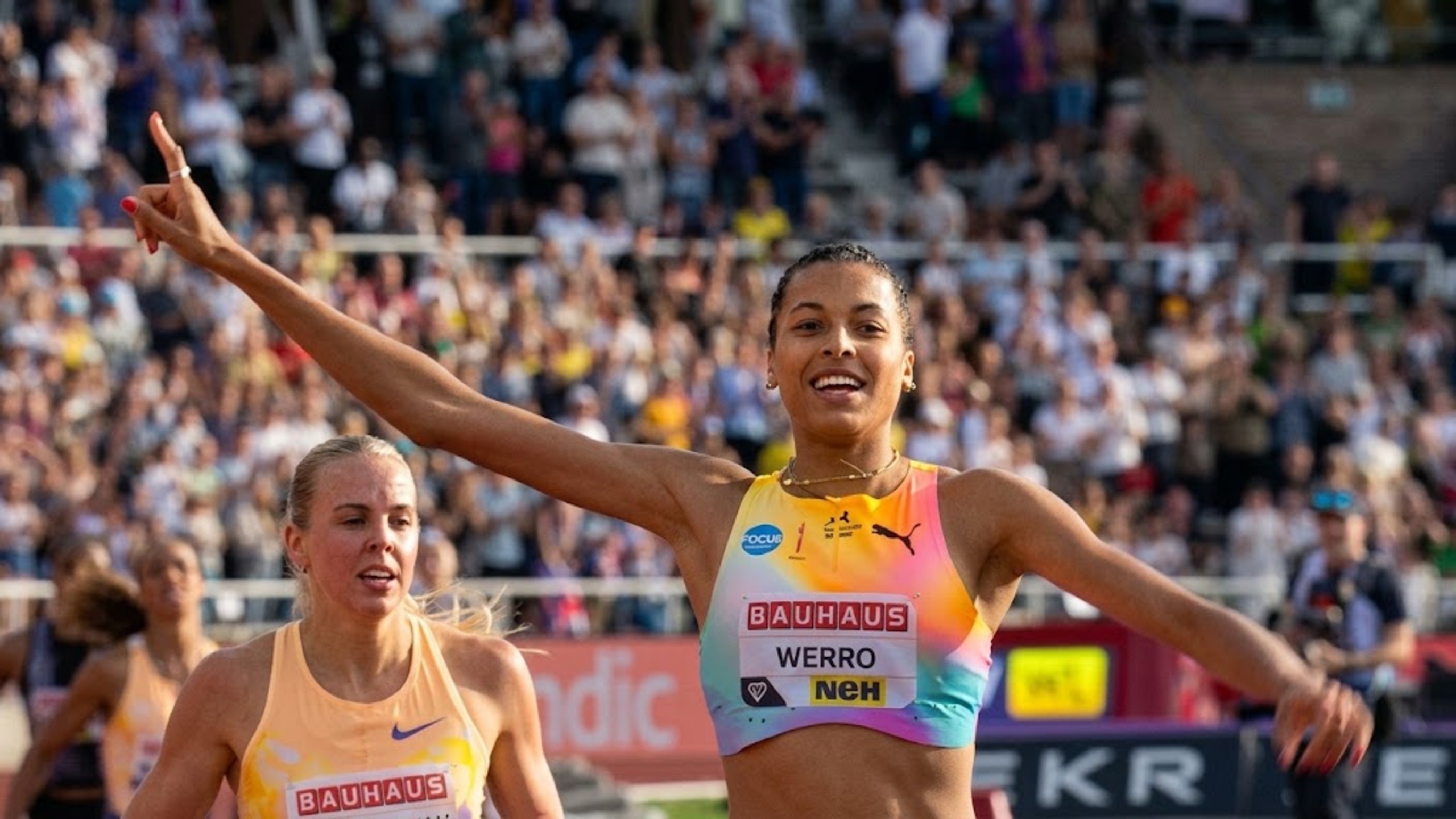
Audrey Werro won the inaugural World Athletics Ultimate Championship 800m in 1:55.88. For most 800m runners in history, that would be a career-best performance worth framing. For Werro this year, it barely cracked her top eight.
She went undefeated across all ten finals she ran in 2026. Along the way, she posted times of 1:53.70, 1:53.80 and 1:53.98, the three fastest 800m times any woman has run since 1983. That number matters more than it sounds like it should, because 1983 is also the year Jarmila Kratochvílová set the current world record of 1:53.28, a mark that has survived four decades of attempts to break it.
A race with actual depth for once
What makes this season different isn't just Werro. Keely Hodgkinson, the reigning Olympic champion, ran 1:54.33 in Stockholm back in June. In almost any other year, that would've been the fastest time in the world by a comfortable margin But this year it wasn't even close to good enough to beat Werro. Femke Broeders-Bol, in her first full season after switching over from the 400m hurdles, has already run 1:54.71.
Three women within roughly a second and a half of each other, all inside the fastest times the event has produced in a generation. That kind of depth hasn't existed in the women's 800m for a very long time, and it changes how the record chase actually feels. It's not one freakishly talented athlete hunting a number alone anymore. It's three separate athletes pushing each other to run faster than any of them would manage on their own.
The record that's felt untouchable for 43 years
Kratochvílová's 1:53.28 has outlasted entire athletic careers, doping eras, changes in shoe technology, and multiple generations of runners who were supposed to be the one to finally take it down. Werro's 1:53.70 this season is the closest anyone has legitimately come in decades.
Budapest wasn't even her fastest run of the year, and she still walked away with the inaugural Ultimate Championship title and $150,000 in prize money, part of the event's record $10 million purse. She beat Hodgkinson essentially by controlling the race from the front and simply not letting the Briton find room to attack late, the same pattern that's defined most of their meetings this season.
That consistency is what makes Werro's season so unusual. She hasn't needed a single perfect race to prove she's the best; she's been producing elite times repeatedly, while Hodgkinson keeps forcing the standard higher. The rivalry is becoming a race against the clock as much as each other.
What comes next
Werro is 22. Hodgkinson has Olympic gold and a resume that says she's not going anywhere either. Broeders-Bol is brand new to the event and already this fast. None of the usual reasons a record survives, a lack of depth, a lack of rivalry, a lack of motivation, apply here anymore.
So is 2027 the year the 800m world record finally falls after 43 years, and if it does, does anyone actually think it'll be Werro who does it, or one of the two women now chasing her?

Sarajevo Back at the Heart of Regional MMA: SFC Returns with Explosive Matchups

How Buzzer Karma Works: Levels, Penalties, and What They Mean

Inside Buzzer's Latest Update (and Why It Changes How You Use the App)

Buzzer Introduces Ads Console: A New Era of Advertising Across the Entire Buzzer Ecosystem

Buzzer Is Evolving: From Quantity to Quality

Buzzer Now Has a Games Hub, and Tournaments Are Coming

Al Ittihad SC's Matches Are Now Live on Buzzer

Palm City vs Gulf United Ends in 1–1 Draw in UAE Second Division League Clash

"We Don't Take the Guy With the Camera." He Built His Own Club Anyway. Now He's Coming to Find You.

Building the Infrastructure Sports Tech Forgot


