




 0
0
Is the Super League Actually Dead? FIFA's World Cup Plan Says Otherwise
When the European Super League collapsed within 48 hours of its 2021 launch, hounded by fan protests and government pressure across the continent, football's establishment treated it as proof the sport had successfully defended itself against turning elite competition into a pure investment vehicle.
FIFA's own attempt to sell a stake in the World Cup this July suggests that lesson didn't stick nearly as widely as it seemed to at the time.
Two very different proposals with the same underlying idea
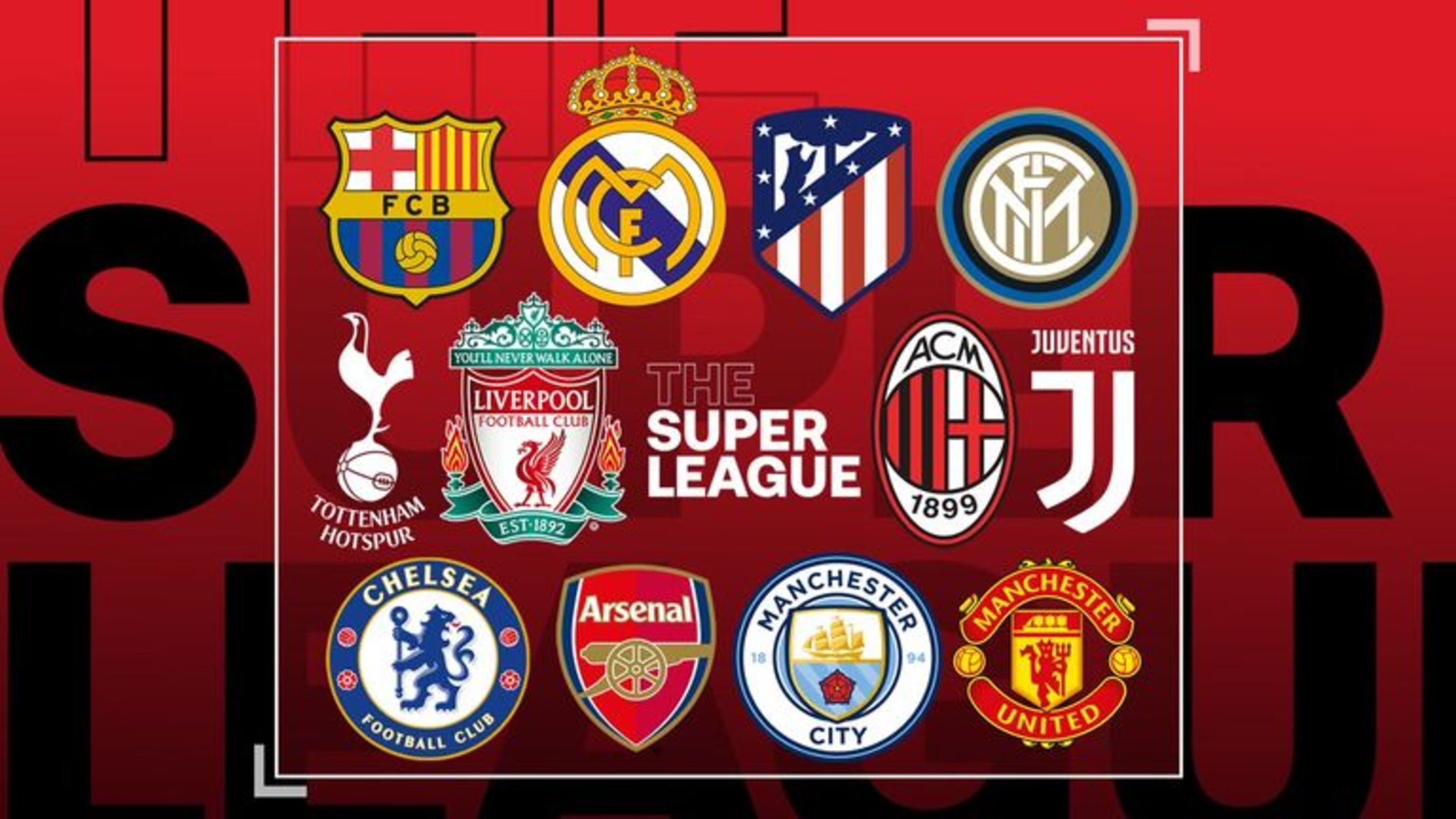
The Super League was a breakaway competition, twelve of Europe's biggest clubs attempting to guarantee themselves permanent membership in a lucrative midweek tournament free from relegation, largely bankrolled by JP Morgan financing.
FIFA's plan was structurally different: not a breakaway competition but a sale of equity in existing FIFA-run tournaments, including the World Cup, to outside investors through a new entity called FIFA Forward Enterprise.
But UEFA president Aleksander Čeferin drew the comparison explicitly, arguing FIFA's plan was, in some ways, even more concerning than the Super League had been, precisely because it targeted an event football fans already trust and revere rather than proposing something new and untested.
Both plans shared the same basic premise: that elite football's biggest properties could be treated as financial assets, packaged and sold to outside capital in exchange for guaranteed returns to the people already running the sport.
The Super League tried to do it through a breakaway league structure.
FIFA tried to do it by selling a stake in the World Cup itself while keeping the tournament nominally unchanged on the surface.
Why the reaction followed such a similar script
Both proposals collapsed for remarkably similar reasons: rapid, coordinated opposition from governing bodies and fans who saw the plans as an attempt to convert something considered a shared cultural institution into a private financial instrument, developed without meaningful consultation from the people the plans would actually affect.
UEFA led the resistance to both, in 2021 organising fan and government pressure against the Super League clubs, and in 2026 threatening to boycott FIFA competitions entirely over the World Cup investment plan.
The pattern suggests something structural rather than coincidental: whenever a major football institution has tried recently to bring in significant private capital in exchange for equity or guaranteed control, it's run into the same wall of institutional and fan resistance, regardless of which body proposed it or which specific competition was involved.
An idea that keeps returning because the financial pressure never left
What both episodes share, beyond the backlash, is the underlying financial reality that produced them in the first place.
Football at the elite level requires enormous ongoing investment, in infrastructure, in development funding for smaller nations and clubs, in simply staying competitive with other major entertainment properties for sponsorship and broadcast revenue.
Both the Super League and FIFA's investment plan emerged from real financial pressures that haven't disappeared just because two separate attempts to address them both failed spectacularly and publicly.
That's the uncomfortable truth sitting underneath both collapsed plans: the appetite for turning elite football into something closer to a traded financial asset hasn't gone away.
It's simply been rejected twice in five years, and there's no strong reason to assume a third attempt, in some different form, won't eventually arrive.
Does the repeated failure of plans like these prove football's governance structures are working as intended, or does it just mean the next attempt will be designed more carefully to avoid the same public backlash?


 1
1 