





 1
Messi Is Coming Back for One Last Argentina Game. Here's Why That Even Needed Arranging
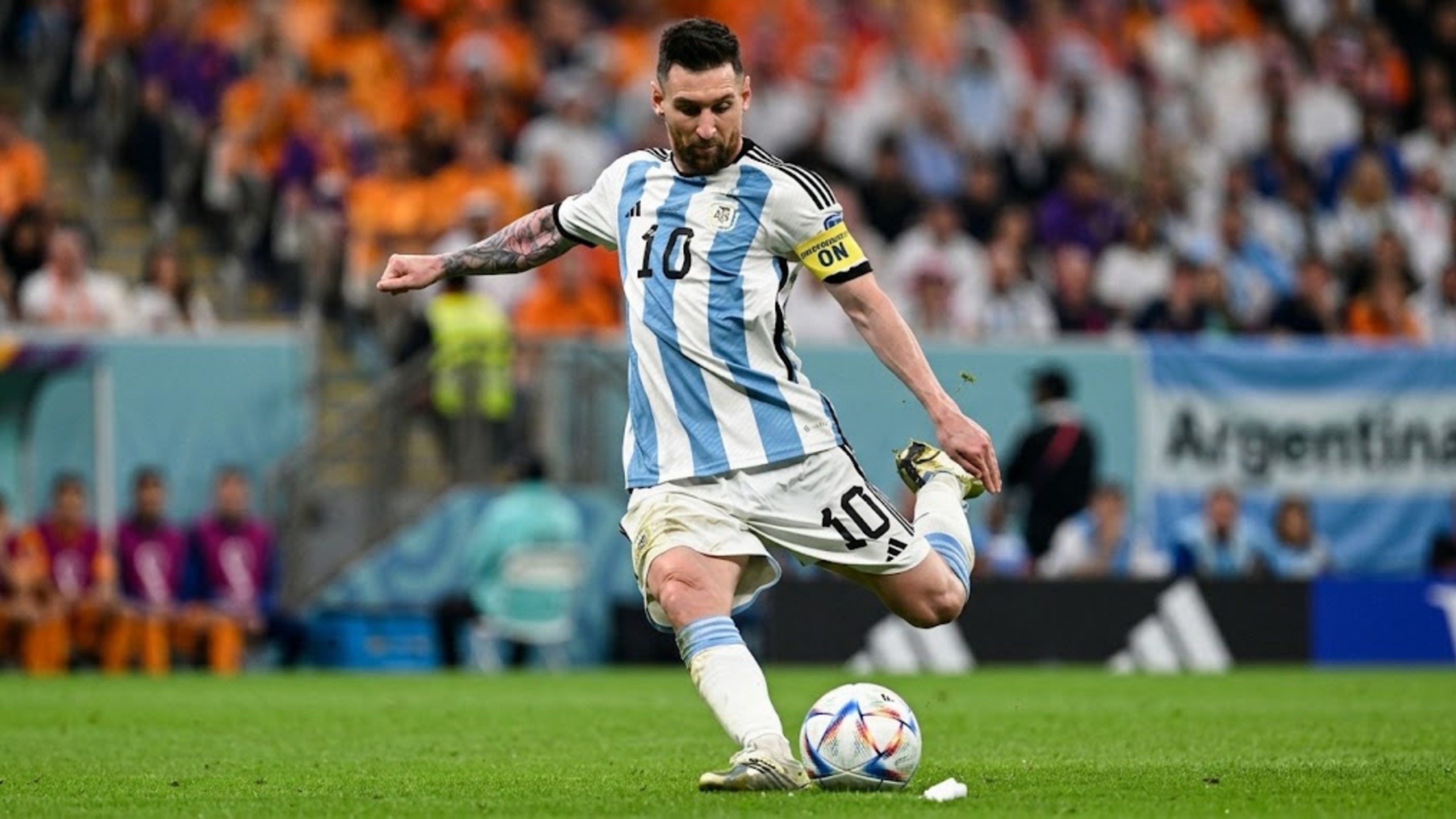
Lionel Messi retired from international football on August 31. Six days later, the Argentine Football Association announced he'd be playing one more game for Argentina anyway.
That's not a contradiction. That's just how retirement works now for athletes who've become bigger than the sport they play.
A farewell that had to be built, not just declared
Messi's actual last competitive appearance for Argentina came at this year's World Cup, where the team reached the final. But there was no lap of honor, no planned goodbye. He simply walked off after the tournament ended and, weeks later, said he was done with the national team altogether.
AFA president Claudio Tapia wasn't going to let that stand as the ending. So he called Messi, worked something out with coach Lionel Scaloni, and set October 6 as the date: a friendly against Benin at El Monumental, the stadium where Messi has spent two decades wearing the captain's armband. Tapia is even inviting every player from the 2022 World Cup-winning squad to come back for it, along with their families.
Nobody scored that goodbye into the schedule by accident. It got engineered, on purpose, after the fact.
Why the actual final whistle wasn't allowed to be the ending
This is what happens once a career crosses over from sport into cultural institution. Diego Maradona never got a clean send-off from Argentina and it's still talked about as an open wound. Zinedine Zidane's last act in a France shirt was a headbutt in a World Cup final. Athletes at Messi's level often don't get to choose how their story wraps up, because the story stopped being fully theirs a long time ago.
So a federation steps in and manufactures the moment the sport itself failed to provide. It's not really about the football. Benin isn't going to test Argentina's spine, and nobody's pretending otherwise. It's about giving 80,000 or so people inside a stadium, and millions more watching, a chance to applaud on cue instead of finding out secondhand that the guy's gone.
The generation that's grown used to this
Twenty years ago, most legends just faded out. You'd notice a player had stopped showing up on the squad list a few months after the fact, and that was that. Now the biggest careers get closing ceremonies, complete with guest lists and hashtags, because modern football has the infrastructure and the incentive to build one.
The goodbye has become part of the spectacle too, turning retirement into an event fans can experience rather than simply a moment they remember.
Messi turns 39 during this farewell window, still not fully sure himself what comes next. He's said as much himself in recent months, admitting he doesn't know what happens after the send-off matches wrap up. That uncertainty is part of what makes October 6 worth watching. It's not a guy chasing a trophy. It's a federation trying to give an ending the shape it never organically had, while the man at the center of it hasn't quite decided how he feels about that either.
Is staging a farewell like this actually a gift to the athlete, or is it something the institution needs more than the player does?

Sarajevo Back at the Heart of Regional MMA: SFC Returns with Explosive Matchups

How Buzzer Karma Works: Levels, Penalties, and What They Mean

Inside Buzzer's Latest Update (and Why It Changes How You Use the App)

Buzzer Introduces Ads Console: A New Era of Advertising Across the Entire Buzzer Ecosystem

Buzzer Is Evolving: From Quantity to Quality

Buzzer Now Has a Games Hub, and Tournaments Are Coming

Al Ittihad SC's Matches Are Now Live on Buzzer

Palm City vs Gulf United Ends in 1–1 Draw in UAE Second Division League Clash

"We Don't Take the Guy With the Camera." He Built His Own Club Anyway. Now He's Coming to Find You.

Building the Infrastructure Sports Tech Forgot


 1


