





 0
India and Pakistan Played Again. This Time, They Shook Hands.
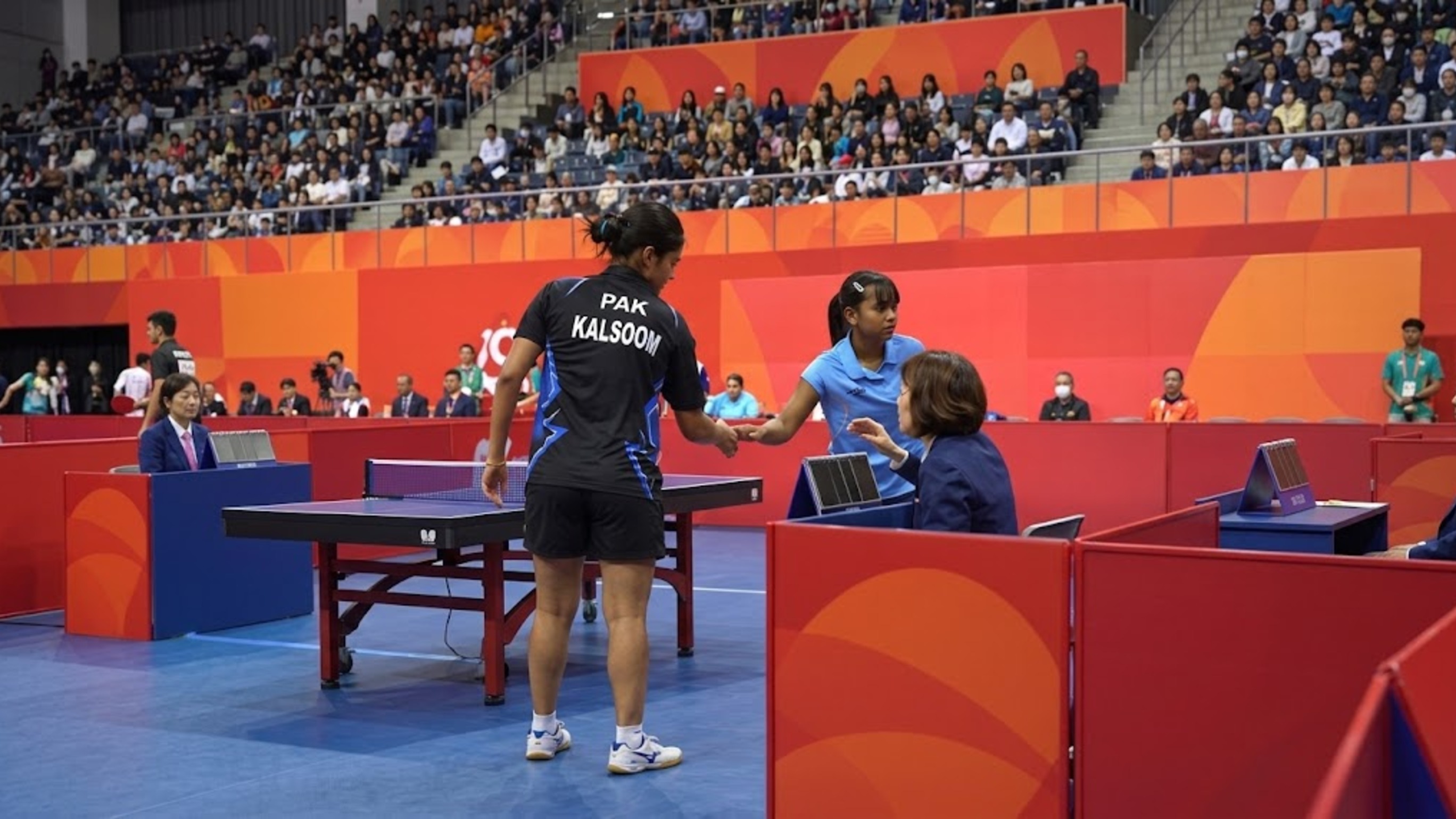
India's women's table tennis team beat Pakistan 3-0 at the Asian Games on Monday, sweeping every game without dropping a single set. The scoreline isn't what made this particular India-Pakistan meeting notable. What made it notable is what happened after each individual match: players from both sides shook hands, every time, in a sporting rivalry where that simple gesture has recently become genuinely newsworthy on its own.
Cricket's most recent India-Pakistan meetings have been defined by a no-handshake policy, players deliberately avoiding the traditional post-match gesture amid broader diplomatic tensions between the two countries. Table tennis, playing out the exact same geopolitical rivalry on a different surface entirely, chose a completely different script.
Why the same rivalry produces different behavior in different sports
Cricket carries a specific weight in India-Pakistan relations that other sports simply don't replicate. It's the sport both nations follow most intensely, the fixture that generates the most media coverage, political commentary, and public emotion whenever the two teams meet. That outsized cultural stakes creates outsized pressure on every gesture, including something as small as a handshake, to carry symbolic weight neither side wants to concede.
Table tennis operates in a completely different context. It's a lower-profile sport in both countries relative to cricket, drawing far less political scrutiny and far less pressure on individual athletes to make symbolic statements through their conduct. That lower stakes environment appears to have let Monday's players simply compete and shake hands, the way athletes in most sporting rivalries do by default.
What this actually reveals about sporting rivalries generally
The underlying geopolitical tension between India and Pakistan doesn't disappear depending on which sport is being played. What changes is how much weight gets attached to the competition itself, and how much individual athletes feel pressured to perform the broader national relationship rather than simply play their sport.
That distinction matters for understanding sporting rivalries more broadly. The same two countries, the same underlying tensions, can produce completely different on-court behavior depending on a sport's specific cultural stakes, media profile, and history of previous incidents shaping expectations for how athletes are supposed to conduct themselves.
Why this particular result travels beyond table tennis
India's dominant, straight-games sweep, winning every individual game 9-0 collectively and outscoring Pakistan 99-41 on total points, reflects a genuine talent gap between the two programs in this specific sport. That gap itself is part of why table tennis carries less symbolic weight than cricket: when one side dominates this comprehensively and this routinely, there's less genuine uncertainty for political tension to attach itself to in the first place.
Does a sporting rivalry's cultural weight come primarily from genuine competitive uncertainty, or from a sport's broader cultural profile independent of how close the actual competition is? India-Pakistan's contrasting conduct in cricket and table tennis suggests it might be less about the politics and more about which sport the politics have decided to attach themselves to.

Sarajevo Back at the Heart of Regional MMA: SFC Returns with Explosive Matchups

How Buzzer Karma Works: Levels, Penalties, and What They Mean

Inside Buzzer's Latest Update (and Why It Changes How You Use the App)

Buzzer Introduces Ads Console: A New Era of Advertising Across the Entire Buzzer Ecosystem

Buzzer Is Evolving: From Quantity to Quality

Buzzer Now Has a Games Hub, and Tournaments Are Coming

Polo Al Taco Expands Its Global Reach Through Weekly Livestreams on Buzzer Arena TV

Al Ittihad SC's Matches Are Now Live on Buzzer

Palm City vs Gulf United Ends in 1–1 Draw in UAE Second Division League Clash

"We Don't Take the Guy With the Camera." He Built His Own Club Anyway. Now He's Coming to Find You.


 1


