





 1
For the First Time Since 2002, Nobody Named Djokovic, Federer or Nadal Is in Tennis' Top 10
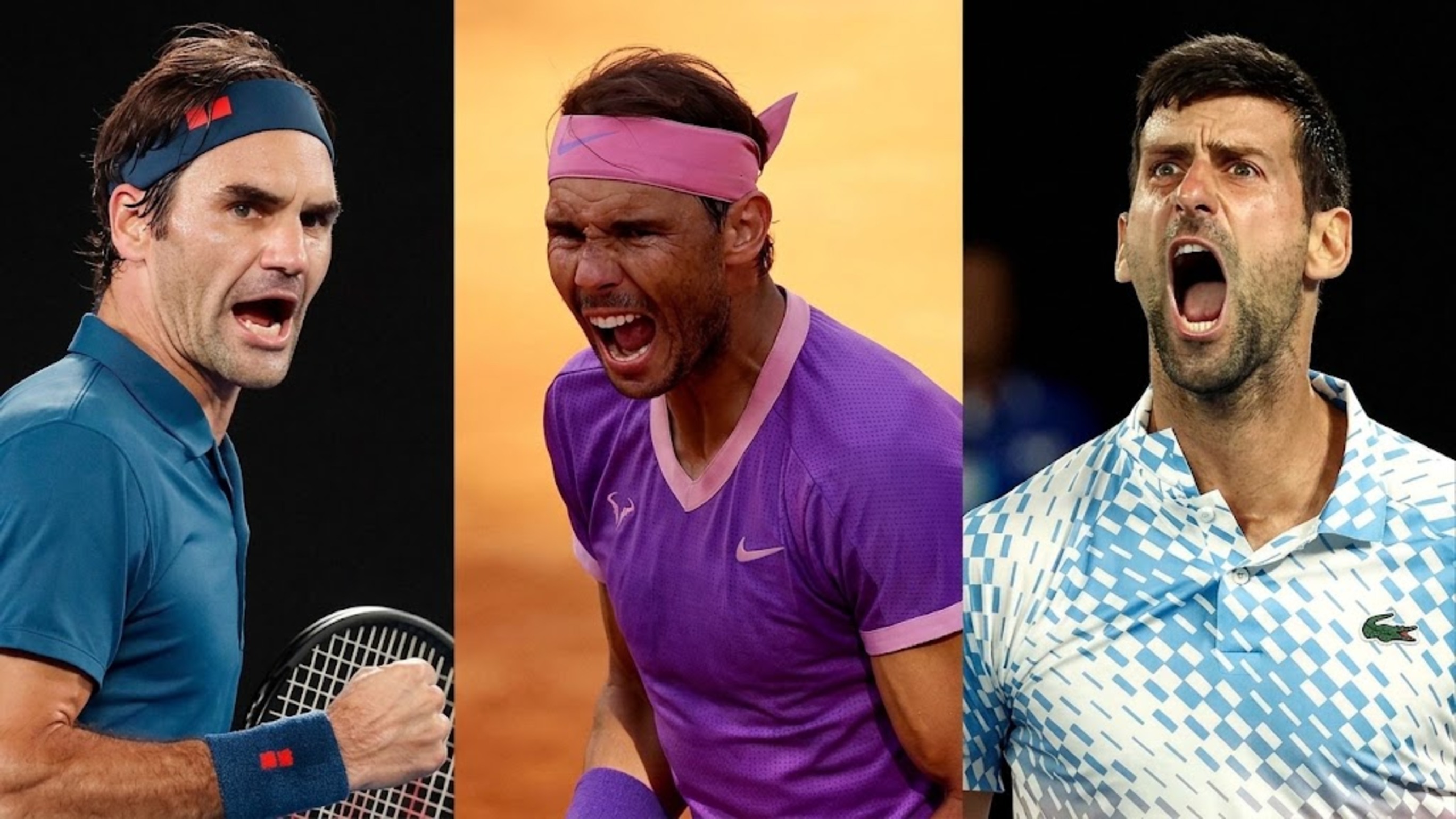
George W. Bush was president the last time this happened. The euro had just gone into circulation. Novak Djokovic's rankings drop this week means the last man standing from the sport's most dominant generation has finally fallen out of the group he helped define for 24 years.
Djokovic dropped from No. 5 to No. 12 after a first-round exit at the US Open, beaten by Mariano Navone. It was his earliest Grand Slam loss in two decades, dating back to the 2006 Australian Open, and the first time in his career he'd lost his opening match at Flushing Meadows.
A run that outlasted almost everything else in sports
Rafael Nadal spent a record 912 consecutive weeks inside the top 10 after breaking through in 2005. Roger Federer held a run of 237 weeks at No. 1 alone, on top of 14 years inside the top 10 before retiring in 2022. Djokovic, the last of the three to arrive in 2007, ends up with the longest individual résumé of the group: 24 Grand Slam titles, two more than Nadal and four more than Federer, plus a record 428 total weeks at No. 1.
Between them, the Big Three didn't just win. They occupied nearly every meaningful moment men's tennis had for almost a quarter century, across three different body types, three different games, and three fanbases that argued endlessly about which one was actually the best.
What actually replaces a generation like that
Alexander Zverev was the most consistent player in the sport this season, winning the French Open and US Open. Carlos Alcaraz took the Australian Open, and Jannik Sinner won Wimbledon. Ben Shelton, the US Open runner-up, jumped five spots to a career-high No. 4.
That's not a single heir apparent stepping into the void the way tennis fans might have expected a decade ago. It's four different men splitting the sport's biggest results across one season, which is a genuinely different shape of dominance than what came before it.
Why this transition looks unusually smooth
Sports don't always handle the end of a defining generation gracefully. Fanbases built around a specific rivalry can take years to reattach to whoever comes next, and box office appeal often dips before it recovers.
Men's tennis doesn't appear to be having that problem. Zverev, Sinner, Alcaraz and Shelton have combined to keep every major final this season competitive and unpredictable, which is arguably a healthier state for a sport than one player winning everything by default.
There is also a generational shift happening beyond the rankings. Alcaraz and Sinner are already building rivalries of their own, while Zverev and Shelton give the tour a wider competitive base. The question is no longer who replaces the Big Three, but whether men's tennis even needs one dominant rivalry again.
Djokovic, at 39, isn't retiring. He's still mathematically capable of climbing back if his body cooperates and the results return. But symbolically, this week marks something real: the first time in almost 25 years that tennis fans have had to watch the sport's biggest matches without a Big Three name anywhere near the top of the list.

Sarajevo Back at the Heart of Regional MMA: SFC Returns with Explosive Matchups

How Buzzer Karma Works: Levels, Penalties, and What They Mean

Inside Buzzer's Latest Update (and Why It Changes How You Use the App)

Buzzer Introduces Ads Console: A New Era of Advertising Across the Entire Buzzer Ecosystem

Buzzer Is Evolving: From Quantity to Quality

Buzzer Now Has a Games Hub, and Tournaments Are Coming

Polo Al Taco Expands Its Global Reach Through Weekly Livestreams on Buzzer Arena TV

Al Ittihad SC's Matches Are Now Live on Buzzer

Palm City vs Gulf United Ends in 1–1 Draw in UAE Second Division League Clash

"We Don't Take the Guy With the Camera." He Built His Own Club Anyway. Now He's Coming to Find You.


 1


