




 0
0
Why Is It So Hard for a New Team to Enter F1?
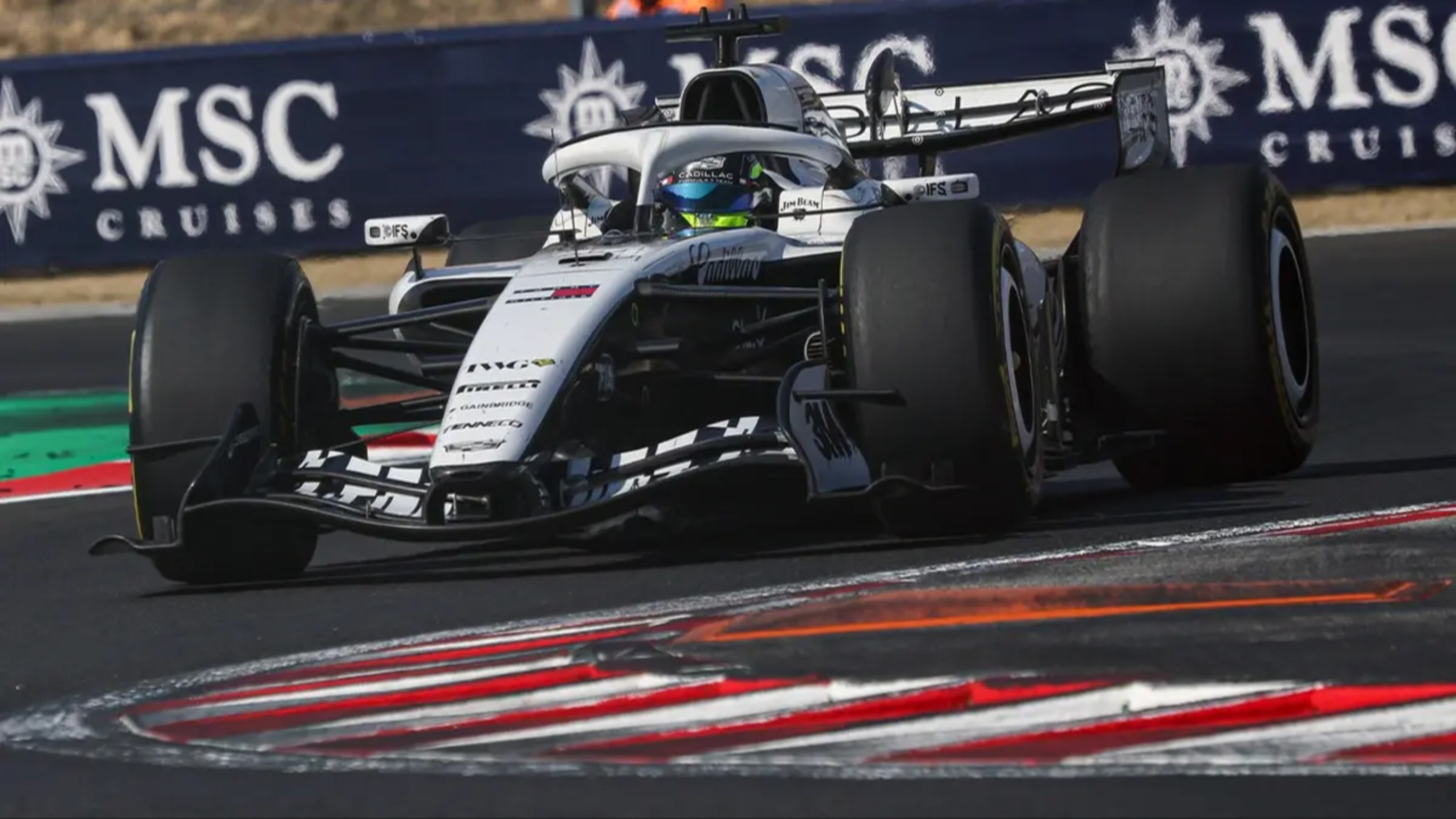
When Cadillac joins the Formula 1 grid for the 2026 season, it will become just the eleventh team in the sport, and the first genuinely new outfit to start from scratch since Haas arrived a decade earlier.
To get there, Cadillac's backers had to pay $450 million upfront, not for anything on the car, but simply for the right to exist on the same grid as everyone else.
A fee designed to compensate everyone already there
Formula 1's prize money and commercial revenue is shared out among the teams competing in a given season.
Add an eleventh team, and that same pool of money now has to stretch across one more competitor, meaning every existing team's individual slice shrinks slightly.
F1's commercial agreement addresses this directly through what's called an anti-dilution fee: a new team pays existing teams a lump sum specifically to offset the smaller share they're about to receive.
That fee was set at $200 million under the previous commercial agreement.
When Cadillac's ownership group, General Motors and TWG Global, finally secured approval to join for 2026, the figure had more than doubled to $450 million, split evenly among the ten teams already on the grid, each pocketing roughly $45 million simply for allowing an eleventh competitor in.
Money that still might not be enough
Even at that inflated price, some team principals argued it wasn't sufficient.
Mercedes boss Toto Wolff pointed out that F1's total prize pool sits at roughly $1.27 billion a year, meaning the one-off payment gets outweighed by permanently reduced shares within just a few seasons.
Wolff's argument wasn't that Cadillac shouldn't join, but that the maths of a single upfront fee doesn't really compensate for a smaller slice of the pie every year afterward, indefinitely.
The counterargument from F1's commercial side is that a credible new manufacturer, especially an American one entering a sport actively trying to grow its US audience, can grow the overall value of the sport enough that everyone's smaller percentage still ends up being worth more in real terms.
A years-long fight before the money even mattered
The financial hurdle wasn't the only one.
Cadillac's path to the grid began years earlier as a partnership with Andretti Global, which was rejected by Formula One Management in January 2024 despite the FIA approving the bid on the sporting side, with existing teams voicing concerns about diluting the prize pool and questioning whether the new entrant would be competitive.
The rejection was serious enough to trigger a US House of Representatives investigation into potential anticompetitive conduct before a reworked bid, with Michael Andretti stepping back and GM taking direct control under the Cadillac name, finally won approval in March 2025.
Between the years of political wrangling and the largest entry fee the sport has ever charged, Cadillac's arrival says less about how much America wants a seat in F1, and more about just how tightly the ten existing teams have controlled who else gets to join them.
Should breaking into a sport as commercially valuable as F1 require this level of financial sacrifice before a new team has even built a single car, or is that simply the price of protecting a competition that's taken decades to become this valuable?


