





 0
Is American Men's Tennis Finally Ready to Take Its Turn?
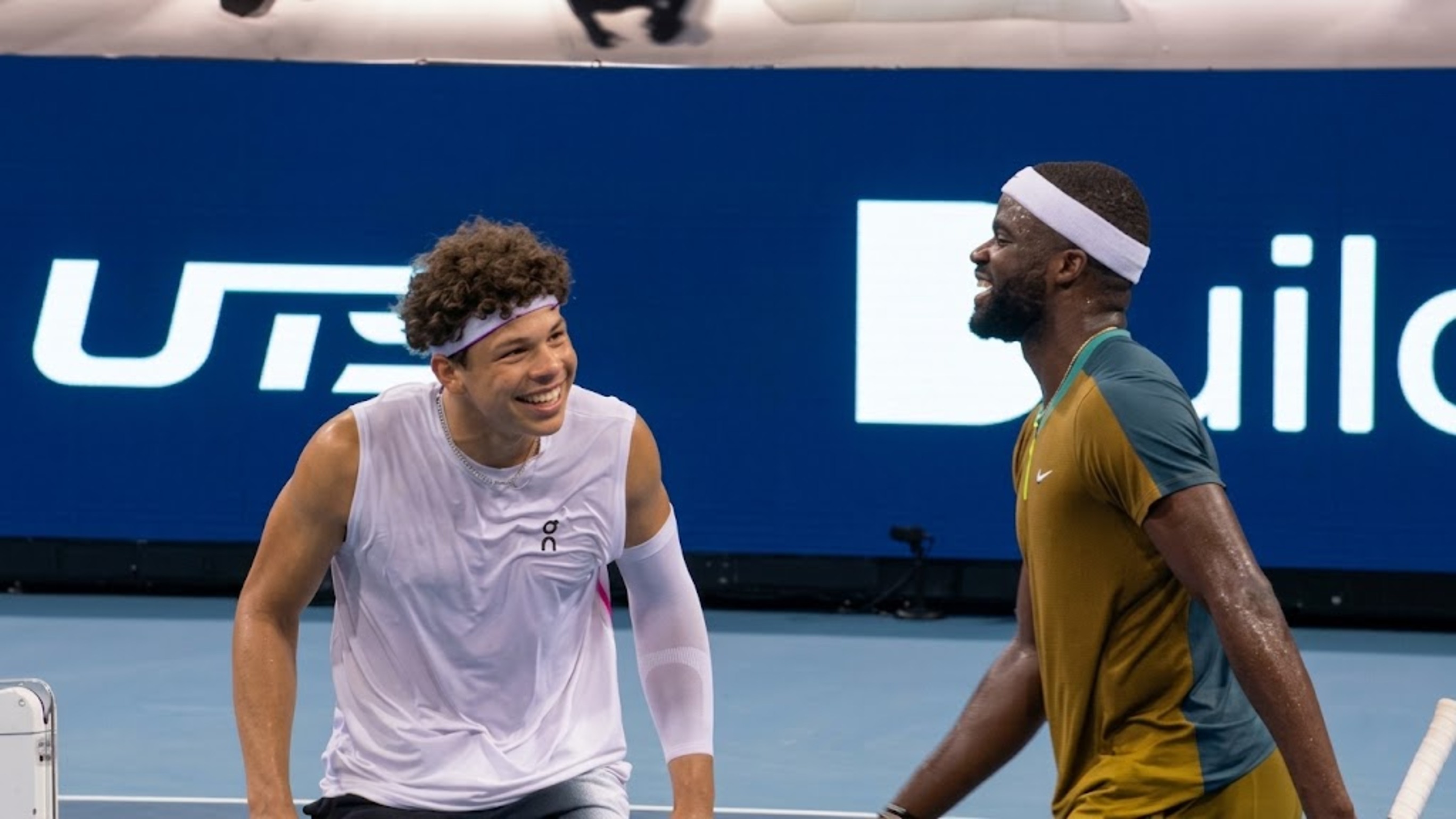
Frances Tiafoe and Ben Shelton will play each other in the US Open semifinal, guaranteeing an American man in Sunday's final for the first time since Andy Roddick won the whole thing in 2003. That's 23 years of near-misses, promising juniors who plateaued, and a country that's produced Grand Slam champion after Grand Slam champion on the women's side while the men kept coming up short.
That contrast is the actual story here, and it's worth asking directly instead of dancing around it: why has one half of American tennis dominated for decades while the other has struggled to produce a single major champion?
The numbers on the women's side aren't close
American women have combined for dozens of Grand Slam singles titles across this same 23-year stretch, anchored by Serena and Venus Williams but hardly limited to them. Coco Gauff has already added a major title of her own in the current generation. The infrastructure, coaching pipeline, and expectations around American women's tennis have produced sustained excellence almost the entire time the men's side has been searching.
That's not a small gap. It's close to two full generations of a country simultaneously being the best in the world at one half of a sport and mostly absent from the top of the other half.
Theories that don't fully hold up
Some explanations get floated regularly and don't survive much scrutiny. It's not a talent pipeline problem specific to men, since American men's college and junior tennis has never lacked promising prospects. It's not simply bad luck either, since bad luck doesn't usually last 23 consecutive years across multiple generations of players.
A more honest answer probably involves the specific era American men were competing in. The stretch coincided almost exactly with one of the deepest eras in men's tennis history, dominated first by Federer, Nadal and Djokovic, then by Alcaraz and Sinner. American women weren't competing against a comparably stacked, multi-decade generational logjam at the top of their draw.
Why depth might matter more than any single star
This year's semifinal isn't built around one transcendent American talent the way previous close calls often were. Tiafoe brings a genuine track record at this specific tournament, reaching his third semifinal here. Shelton just beat the defending champion in the most dramatic match of the tournament. Ben Shelton and Alex Michelsen also both made deep runs this fortnight, suggesting a broader crop of contenders rather than one outlier carrying the hope alone.
That distinction matters because a true generational shift usually needs depth, not a single player good enough to occasionally slip through a stacked field.
What actually changes tennis in America
If an American man wins this US Open, it won't retroactively explain the previous 23 years. But it would give the next generation of young American players something the current generation never fully had: a recent champion to specifically model themselves after, rather than pointing across the net at Federer, Nadal or Djokovic as the standard.
Is the real story here finally an American men's breakthrough, or is it worth asking harder why it took two full generations for American men's tennis to even get this close again?

Sarajevo Back at the Heart of Regional MMA: SFC Returns with Explosive Matchups

How Buzzer Karma Works: Levels, Penalties, and What They Mean

Inside Buzzer's Latest Update (and Why It Changes How You Use the App)

Buzzer Introduces Ads Console: A New Era of Advertising Across the Entire Buzzer Ecosystem

Buzzer Is Evolving: From Quantity to Quality

Buzzer Now Has a Games Hub, and Tournaments Are Coming

Al Ittihad SC's Matches Are Now Live on Buzzer

Palm City vs Gulf United Ends in 1–1 Draw in UAE Second Division League Clash

"We Don't Take the Guy With the Camera." He Built His Own Club Anyway. Now He's Coming to Find You.

Building the Infrastructure Sports Tech Forgot


 1


