





 1
Why Does Africa Produce So Many Elite Athletes But Host So Few Global Championships?
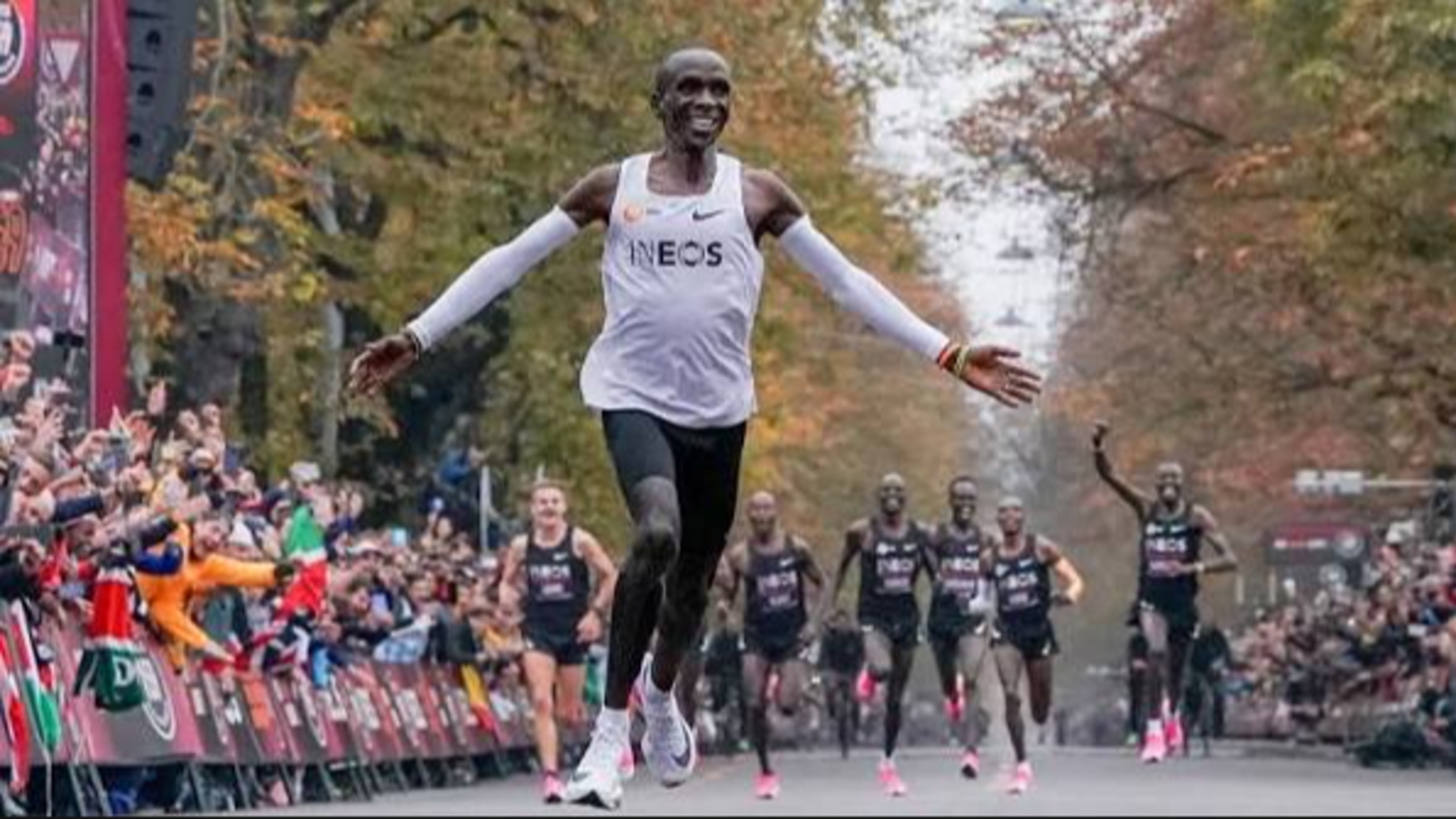
Kenya alone has produced generations of the world's most dominant distance runners. Nigeria has fed elite sprinting and football talent into global competition for decades. Ethiopia's Olympic running legacy stretches back to Abebe Bikila's barefoot marathon gold in 1960. And until this week, when Nairobi won the right to host the 2029 World Athletics Championships, no African city had ever hosted the senior version of the sport's biggest global championship.
That gap, between producing elite talent and hosting the events that showcase it, isn't unique to athletics. It's a pattern that stretches across most major global sporting championships, and the reasons behind it are more structural than they first appear.
It isn't a talent or interest problem
Any argument that Africa lacks the sporting passion or expertise to justify hosting rights collapses immediately under scrutiny. The continent has produced disproportionate shares of the world's best distance runners, sprinters, and footballers relative to its share of global sporting infrastructure investment. Fan enthusiasm across football, athletics, and increasingly other sports runs as deep in many African nations as anywhere in the world.
What's actually been missing is a different kind of investment entirely, the unglamorous, extraordinarily expensive infrastructure that hosting a global championship requires: stadium capacity built to international broadcast and security standards, hotel and transport capacity for tens of thousands of visiting fans, media and security operations, and the accumulated track record of hosting smaller events that governing bodies use to judge readiness for the largest ones.
The bid history that shows the pattern
Kenya's own path to winning the 2029 championships is instructive. Its previous bid, for the 2025 edition, lost out to Tokyo after World Athletics raised specific concerns about venue readiness. The gap between that rejection and this year's successful bid closed largely because Nairobi's Kasarani Stadium is being rebuilt as part of infrastructure preparations for hosting the 2027 Africa Cup of Nations, a continental football tournament that forced exactly the kind of large-scale investment an athletics championship bid needed.
That sequencing matters. Nairobi didn't win because global perception of Africa's readiness suddenly shifted. It won because a separate, football-driven infrastructure project happened to create the conditions an athletics bid could then build on.
Why this cycle is genuinely difficult to break
Hosting rights tend to flow toward cities and countries that have already hosted successfully before, because governing bodies use prior hosting as their clearest evidence of operational readiness. That creates a structural loop: without a track record of hosting major global championships, African cities struggle to be seen as low-risk hosts, and without being awarded those championships, they never get the chance to build that track record in the first place.
Breaking that loop generally requires either a wealthy host government willing to absorb enormous upfront infrastructure costs specifically to prove capability, or, as with Nairobi, a fortunate alignment with another major infrastructure project that happens to build the exact facilities a bid needs.
What Nairobi 2029 actually represents
This isn't just one city winning one bid. It's a potential template for how the cycle gets broken elsewhere on the continent, demonstrating that aligning athletics ambitions with broader infrastructure investment, rather than pursuing hosting rights in isolation, can be the more realistic path forward for other African bids in years to come.
Whether that template gets replicated depends entirely on whether Nairobi's championships in 2029 go smoothly. A successful edition builds the track record other African cities currently lack. A troubled one risks reinforcing exactly the skepticism that kept the continent off the host list for so long in the first place.
Does Nairobi 2029 succeeding or struggling end up mattering more for the next African bid than for Kenya's own athletics legacy, given how much weight hosting bodies place on precedent?

Sarajevo Back at the Heart of Regional MMA: SFC Returns with Explosive Matchups

How Buzzer Karma Works: Levels, Penalties, and What They Mean

Inside Buzzer's Latest Update (and Why It Changes How You Use the App)

Buzzer Introduces Ads Console: A New Era of Advertising Across the Entire Buzzer Ecosystem

Buzzer Is Evolving: From Quantity to Quality

Buzzer Now Has a Games Hub, and Tournaments Are Coming

Al Ittihad SC's Matches Are Now Live on Buzzer

Palm City vs Gulf United Ends in 1–1 Draw in UAE Second Division League Clash

"We Don't Take the Guy With the Camera." He Built His Own Club Anyway. Now He's Coming to Find You.

Building the Infrastructure Sports Tech Forgot


 1


