

 0
0
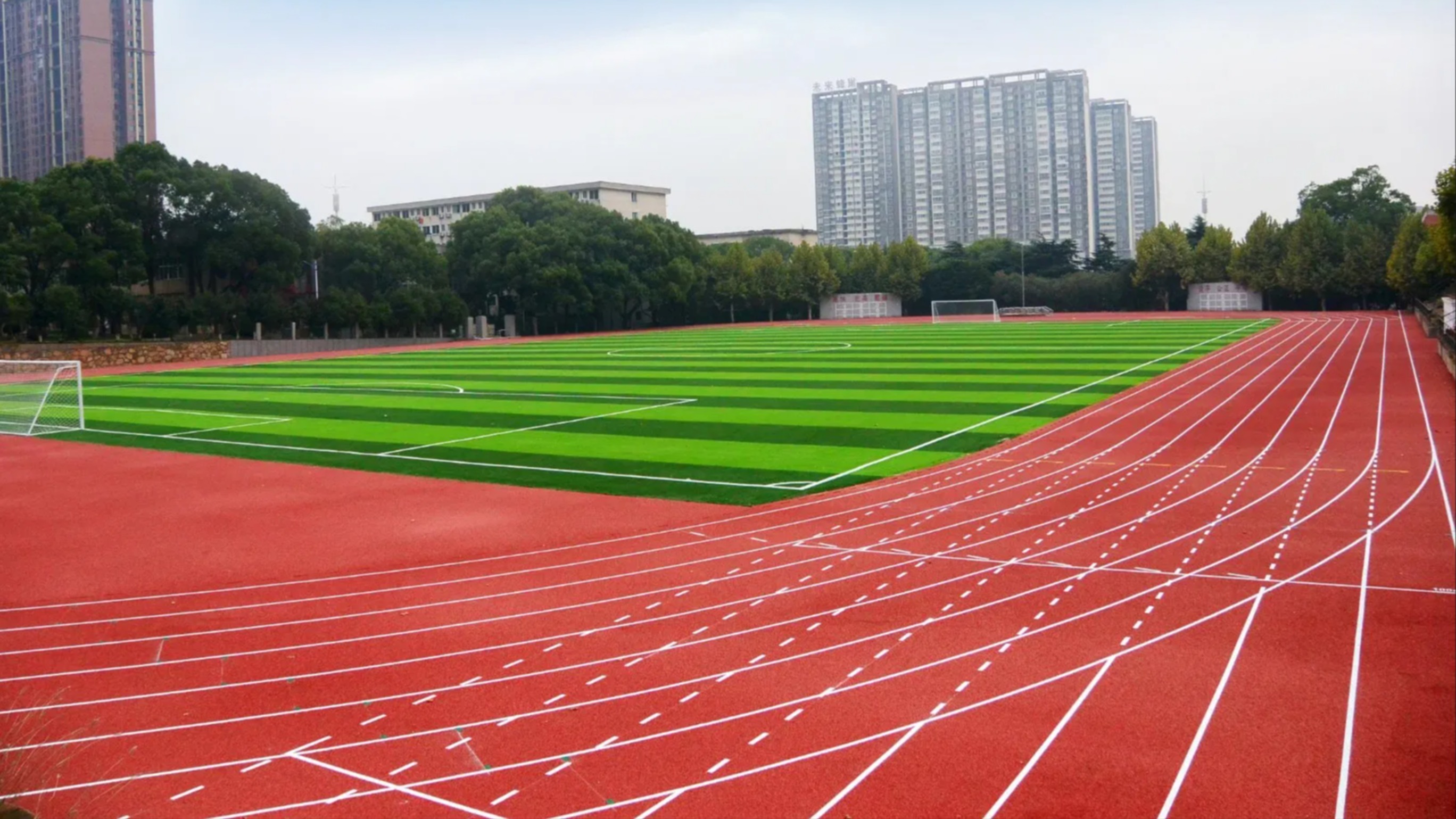
The 400 Meter Track Distance Comes From a British Football Field
Every modern running track around the world measures exactly 400 meters around, whether it’s hosting the Olympics or a local school competition.
That standardization feels obvious today. It wasn’t always guaranteed, and the specific distance traces back to practical, unglamorous decisions made in Britain during the sport’s early organized years. In fact, the number was shaped more by convenience than anyone trying to create a perfect standard.
Early tracks had no fixed standard
In the earliest days of organized track and field, running tracks varied significantly in length from venue to venue, much like early swimming pools before that sport standardized its own distances. Some tracks measured in yards rather than meters entirely, reflecting the imperial measurement system common in Britain and other countries at the time.
As international competition grew more serious, particularly once the modern Olympics began in 1896, the lack of a single standard distance created real problems. A fast time recorded on one track couldn’t be reliably compared to a fast time recorded on a different, differently sized track elsewhere.
Settling on 400 meters
The 400 meter distance eventually became the standard largely because it offered a practical, workable size for a running track that could fit inside the kind of stadium space commonly available at the time, including grounds originally built for other sports like football, roughly matching the general footprint many existing stadiums already had.
Once major competitions and Olympic Games began consistently using 400 meter tracks, the distance effectively became the accepted international standard by default, reinforced over time simply through repeated use at the sport’s biggest events.
Why the standard matters
Just like swimming’s move to a standardized 50 meter pool, track and field’s move toward a consistent 400 meter standard made it possible to genuinely compare performances across different competitions, different countries, and different decades.
Without that shared standard, comparing a sprinter’s time from one country’s track meet to another country’s track meet would carry much less real meaning.
It’s a small, easily overlooked piece of infrastructure standardization that quietly makes an entire sport’s record books make sense. Athletes running today owe some of their comparable, meaningful record times to a practical stadium-size decision made generations ago, long before anyone running on those tracks today was even born.
Indoor tracks tell a different story
Indoor tracks, built inside arenas with much less available space, never adopted the same 400 meter standard, typically measuring closer to 200 meters instead, a reminder that outdoor track's now-universal distance was always shaped as much by available space as by any pure competitive ideal.
Do you think most fans realize how much of a sport’s record-keeping depends on basic infrastructure standards like track or pool length, rather than just pure athletic performance?