

 1
1
Formula E Bet Everything on City Streets Instead of Racetracks, and It Was the Right Call
Formula E started as notes scribbled on a napkin during a dinner between FIA president Jean Todt and Spanish businessman Alejandro Agag in Paris, back in March 2011.
Three years later, the series held its first race inside Beijing’s Olympic Park, and the foundational decision behind that debut has shaped everything about the series since: Formula E would race through the streets of major cities, not on purpose-built permanent circuits tucked away outside them.
That single choice put Formula E in direct contrast with a century of motorsport tradition, and it’s turned out to be the series’ smartest long-term call.
Racing where the fans already are
Traditional motorsport, Formula 1 especially, largely built its identity around permanent, purpose-designed circuits, often located well outside city centers, requiring fans to travel specifically to reach them. That approach works, evidenced by F1’s enormous global following, but it also means the sport exists somewhat apart from the everyday life of the cities it visits.
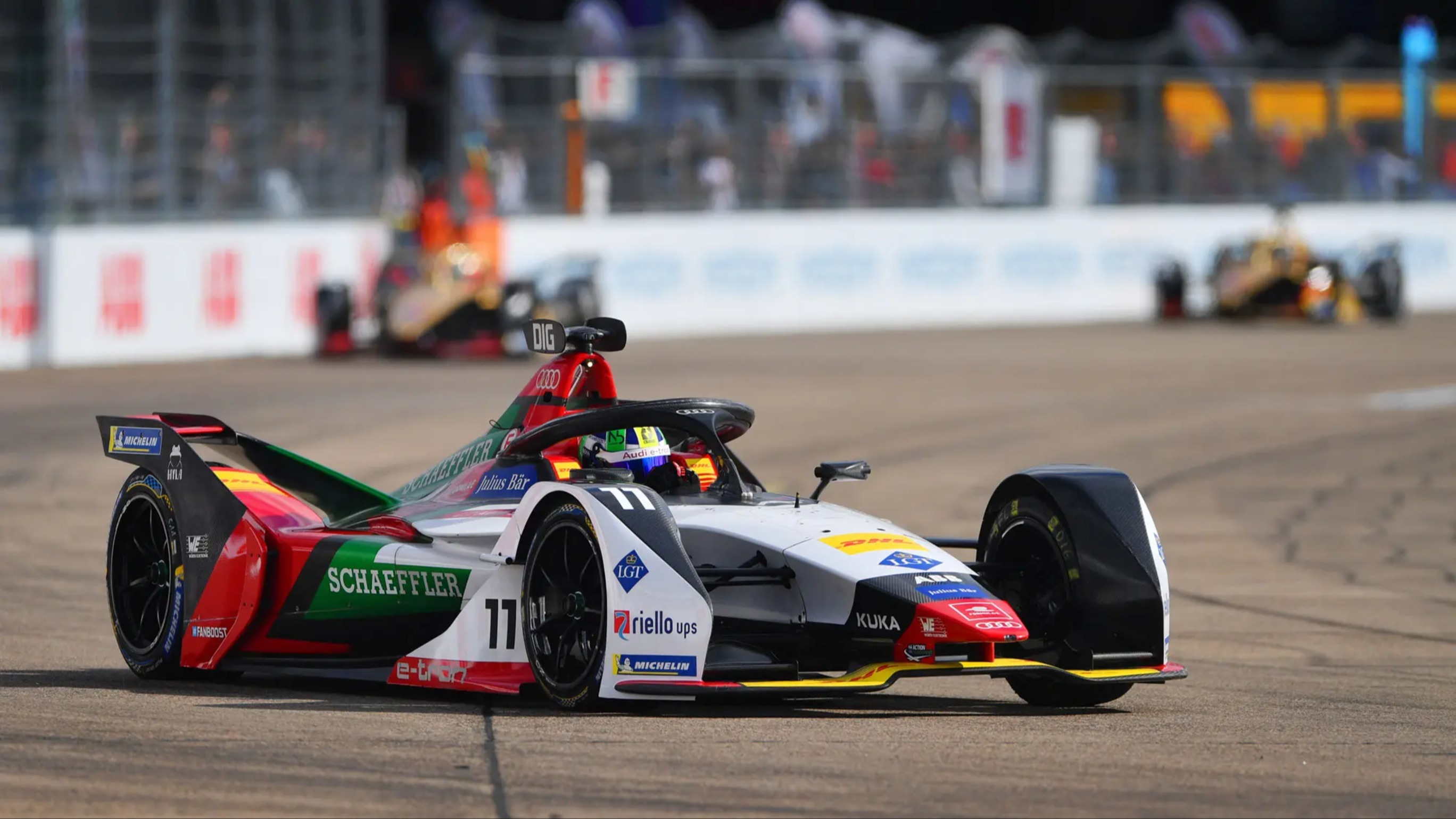
Formula E flipped that entirely. Racing through temporary street circuits in city centers, from Monaco to Tokyo to São Paulo to London, means the sport shows up directly inside places people already live, work, and pass through daily. A Formula E race weekend transforms familiar city streets into a racetrack for a few days, then hands them back, rather than asking fans to make a pilgrimage to a dedicated venue built specifically for racing and little else.
That accessibility has produced genuine spectacle in its own right. A 2019 street race through Switzerland, the country’s first circuit race since the 1954 Swiss Grand Prix, pulled in a crowd of roughly 150,000 people, proof that city-center racing could draw numbers competitive with traditional venues when done in the right location.
Building the sport’s identity around tactics, not tradition
Formula E has also leaned into gameplay-style innovations that traditional motorsport has generally avoided, most notably Attack Mode, a temporary power boost drivers unlock by steering through a specific off-line activation zone on the track. It’s a deliberately video-game-like mechanic, adding a strategic layer that rewards smart route planning as much as raw speed.
That willingness to experiment extends to the technology itself. The current Gen3 Evo car reaches 0-100 km/h in under 2 seconds and tops out around 322 km/h, numbers that would have seemed implausible for an electric racing series when Formula E first launched with far more modest performance.
The series gained full FIA World Championship status in the 2020-21 season, officially putting it on par with Formula 1 in governing status, even if audience size still trails significantly.
Why the street circuit bet mattered
Skeptics in traditional motorsport circles were slow to take Formula E seriously in its early years, viewing the electric powertrains and street circuits as gimmicks rather than a legitimate racing product. That skepticism has faded considerably as the series has attracted major manufacturer involvement and built a genuinely global calendar spanning five continents.
The deeper strategic logic behind racing in city centers rather than dedicated circuits looks smarter with each passing season. Formula E doesn’t need to convince fans to travel somewhere unfamiliar to discover the sport. It simply shows up in cities people already call home, embedding itself directly into places with existing populations and existing infrastructure, rather than building an entirely new destination from scratch the way traditional circuit racing generally has.
Does racing directly through city streets genuinely make a motorsport series more accessible and exciting for fans, or does something get lost by not having a dedicated, purpose-built home circuit the way traditional racing has always had?


 1
1