





 0
UEFA Keeps Returning to the Same Cities for the Champions League Final. Why?
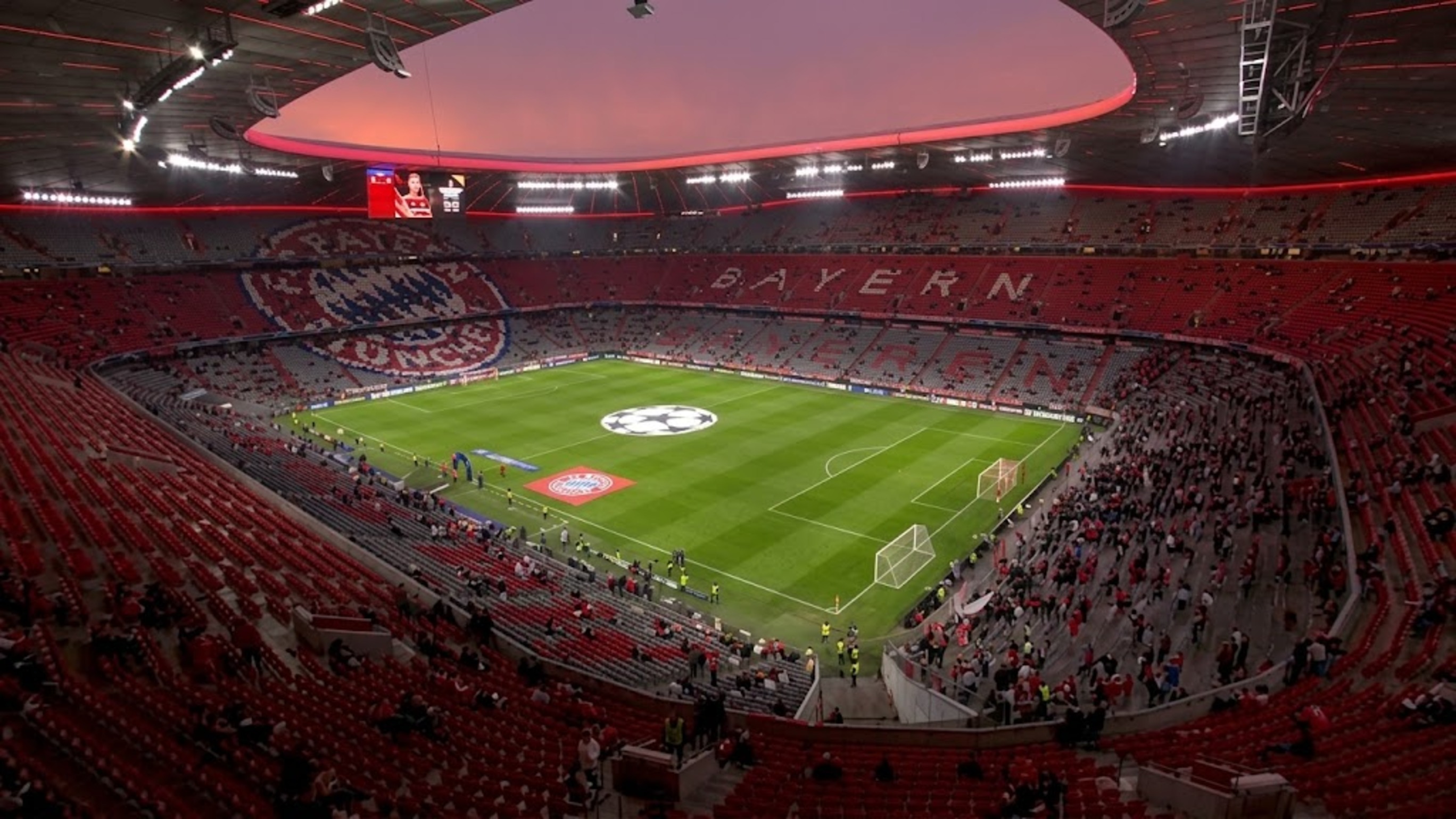
Munich's Allianz Arena will host the 2028 Champions League final. It was the only city that bid. Barcelona's renovated Camp Nou beat Wembley for the right to host in 2029, its first time hosting the final since Manchester United's stoppage-time comeback against Bayern Munich there in 1999.
Both decisions say less about which cities fought hardest to win and more about how narrow the actual list of cities capable of hosting European football's biggest single night has become.
A rota that's quietly shrinking
Munich has now hosted the final in 2012, 2025, and again in 2028, a third time inside 16 years for a single venue. That's not typically how marquee single-match events are supposed to work. Rotating major finals across many different cities is usually the entire point, spreading economic benefit, keeping the event feeling special rather than routine, and giving multiple football cultures a turn hosting the sport's showpiece night.
UEFA effectively acknowledged the problem itself: last year's list of interested bidders for both 2028 and 2029 was strikingly short, Munich alone for 2028 and just London and Barcelona for 2029. Hosting a Champions League final is an enormous logistical and financial undertaking, and fewer cities each cycle appear willing or able to take it on.
What a host city is actually chasing
The pitch has never really been about the ninety minutes of football. It's about the week surrounding it: hospitality spending, global broadcast exposure, tourism board partnerships, and the kind of city-branding opportunity that a Grand Prix or a major summit offers in other industries. Barcelona gets a marquee test run of its newly renovated, 105,000-capacity Camp Nou a full year before Spain co-hosts the 2030 World Cup, a deliberate piece of sequencing rather than a coincidence.
That creates a strange tension for UEFA. The final is becoming more valuable as a global spectacle, but hosting it is becoming harder to justify for cities that must provide the stadium, transport, security and infrastructure around it. The bigger the event becomes, the fewer places may be willing to absorb the cost, disruption and long-term commitments that come with staging it.
The part UEFA hasn't solved yet
Sources close to UEFA have floated the idea of eventually taking the final outside Europe entirely, following FIFA's and the Premier League's growing appetite for staging marquee matches in the United States and elsewhere. For now, UEFA has stated it has no active plans to do that, which leaves the organization facing an uncomfortable choice as fewer traditional venues step forward: accept a steadily shrinking rotation of the same handful of cities, London, Madrid, Munich, Barcelona, or start looking seriously at markets outside Europe altogether.
Does it actually matter to fans which city hosts the final, so long as the football itself delivers, or does a shrinking, repetitive host rotation quietly diminish what's supposed to be the single biggest night in club football?

Sarajevo Back at the Heart of Regional MMA: SFC Returns with Explosive Matchups

How Buzzer Karma Works: Levels, Penalties, and What They Mean

Inside Buzzer's Latest Update (and Why It Changes How You Use the App)

Buzzer Introduces Ads Console: A New Era of Advertising Across the Entire Buzzer Ecosystem

Buzzer Is Evolving: From Quantity to Quality

Buzzer Now Has a Games Hub, and Tournaments Are Coming

Al Ittihad SC's Matches Are Now Live on Buzzer

Palm City vs Gulf United Ends in 1–1 Draw in UAE Second Division League Clash

"We Don't Take the Guy With the Camera." He Built His Own Club Anyway. Now He's Coming to Find You.

Building the Infrastructure Sports Tech Forgot


 1

