



 0
0
The Logo on a Football Shirt Says More Than the Trophy Cabinet Does
Manchester City signed a kit deal with Puma worth more than £1.3 billion over ten years. That’s more guaranteed money than most clubs will ever see from actually winning things.
Shirt sponsorship used to be a nice little revenue add-on. Now it’s basically a second transfer market, and clubs are chasing it just as aggressively.
How this whole thing even started
The first English club to put a sponsor on their shirt was Coventry City, partnering with the car company Talbot back in 1978. For years afterward it stayed a fairly minor commercial afterthought, a logo that paid the bills without meaningfully shaping how a club operated.
That changed completely once football went fully global in the broadcast era, and clubs realized their shirts were being seen by hundreds of millions of people every single week, in living rooms on every continent.
Fast forward to today and Barcelona’s deal with Nike is reportedly worth around £105 million a year, including a signing bonus north of £130 million spread across the contract. Juventus and Jeep turned a car brand into a genuinely recognizable partnership in Italian football that lasted over a decade.
Liverpool’s arrangement with Standard Chartered has quietly become one of the Premier League’s longest-running commercial relationships, worth tens of millions annually and renewed again and again because both sides keep benefiting.
Why this matters more than fans usually admit
Transfer spending gets scrutinized constantly. Every signing gets debated, dissected, mocked if it doesn’t work out. Sponsorship money gets far less attention despite often dwarfing what a club spends in the actual transfer market in a given year.
That’s backwards, honestly. A club’s sponsorship portfolio tells you more about where its ambitions genuinely sit than a single marquee signing does. Brands don’t hand over nine or ten figures on a hunch. They’re betting on a club’s global reach, competitive trajectory, and commercial stability over years, not months.
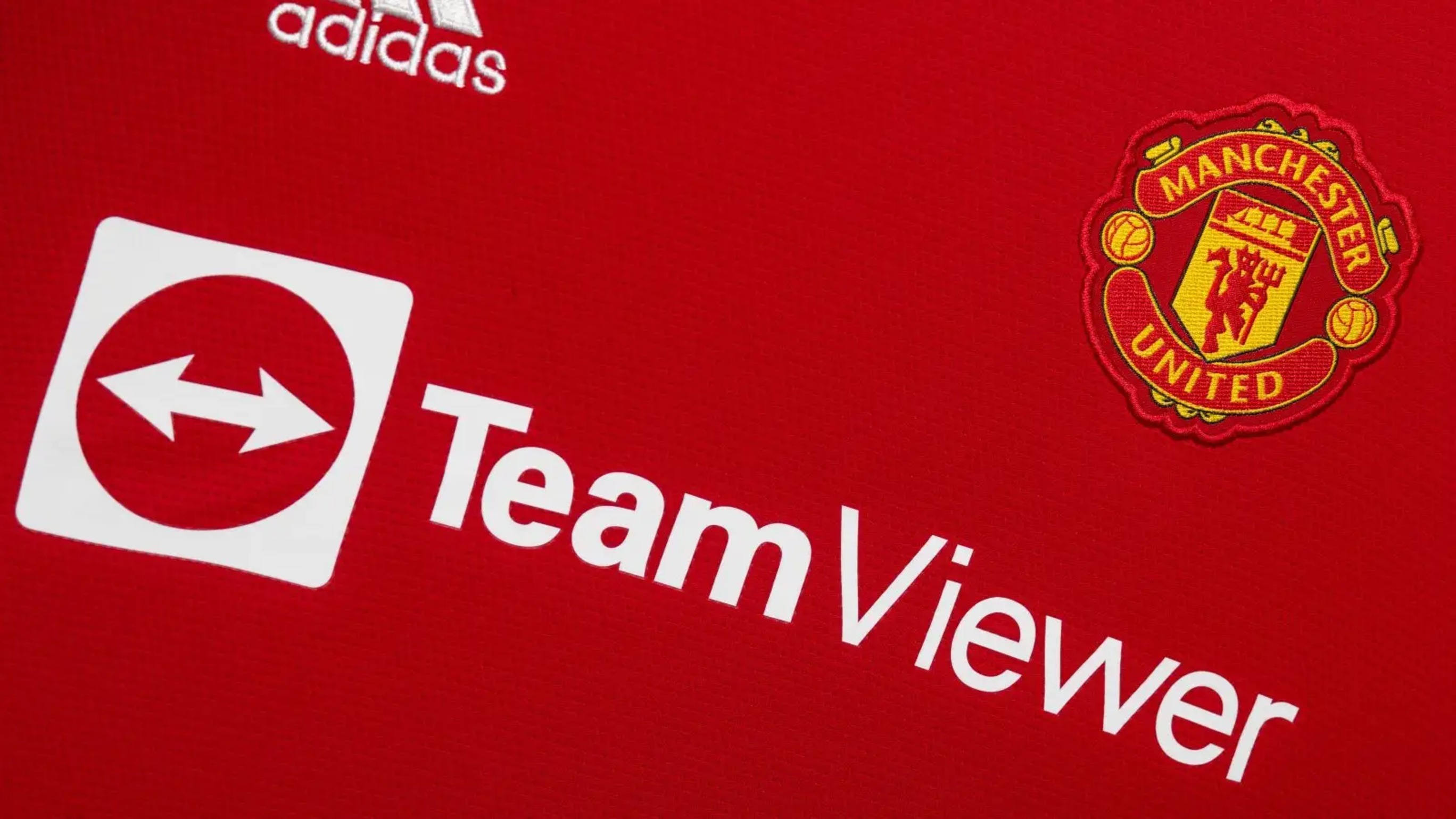
When a sponsor walks away early, as TeamViewer did with Manchester United after their share price dropped sharply following the partnership, that’s a quieter but very real signal about how a brand assessed the relationship’s value.
The part that should worry fans a little
There’s a flip side worth sitting with. As these deals get bigger, clubs increasingly answer to sponsors and shirt manufacturers in ways that shape decisions well beyond the crest itself. Kit release schedules, marketing campaigns, even certain sponsorship-driven fixture arrangements now get built around keeping these commercial partners happy, not just around what’s best competitively or for supporters in the stadium.
Football didn’t used to run this way. The badge came first, the business followed behind it. Now the business increasingly comes first, and the badge just happens to be wherever the logo sits.
Next time you’re debating whether a club is “really” ambitious this season, skip the transfer rumors for a minute and go check what’s actually printed across their chest, and for how much money. It might tell you more.
Would you rather know a club’s transfer budget or their sponsorship portfolio if you wanted to predict where they’re really headed?


 1
1 


