





 0
Women's Cricket Doesn't Have a Fandom Problem. It Has a Structure Problem.
The 2026 Women's T20 World Cup drew 15 million viewer hours on Sky Sports, the most-watched edition since the network started tracking the numbers in 2016. That audience showed up again this weekend for the Women's Asia Cup final in Dubai. The fans are clearly there. What's still being built underneath them is the commercial infrastructure to actually capture what that attention is worth.
Men's cricket didn't become a global commercial powerhouse through international tournaments alone. It became one through decades of domestic T20 league development, the IPL chief among them, that turned national team stars into year-round commercial properties with sponsorship value independent of how their country performs at any given World Cup.
Where women's cricket currently sits on that same curve
The Women's Premier League in India, the Women's Big Bash in Australia, and a handful of other domestic T20 competitions have started building exactly that layer, giving top players income streams and commercial visibility outside the international calendar. But the depth and financial scale of those leagues still lags well behind their men's equivalents, and plenty of strong domestic markets don't yet have an equivalent structure at all.
That gap matters because it's precisely the layer that turns a viewership statistic into sustainable revenue. International tournaments generate the audience spike. Domestic leagues are what convert that audience into a twelve-month commercial ecosystem instead of a once-a-year spectacle.
Individual stars are already outrunning the system built around them
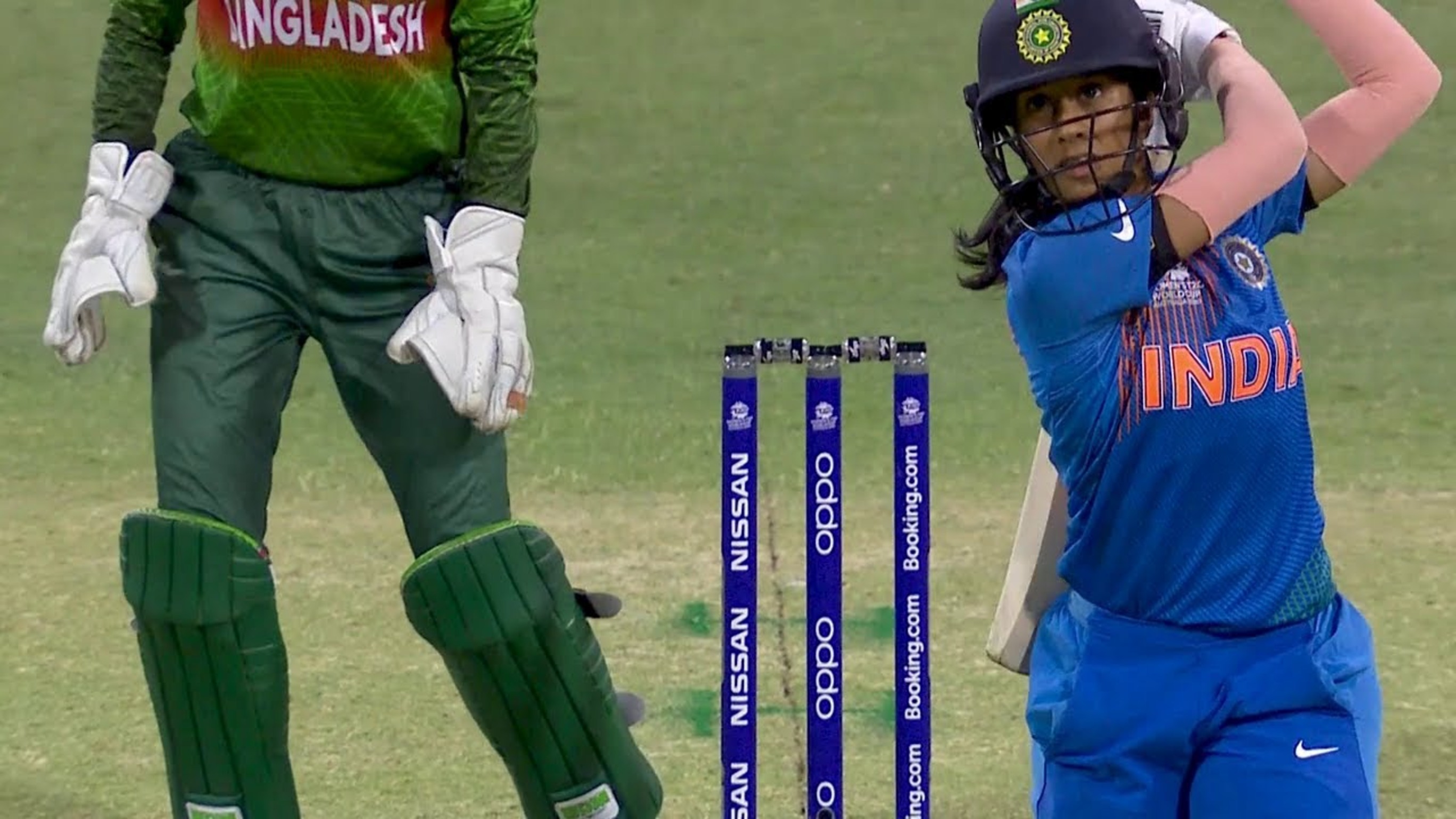
India's win over Sri Lanka in Sunday's Asia Cup final leaned heavily on exactly this kind of individual brilliance, headlined by Shafali Verma's 24-ball fifty, the fastest in the tournament's history. Players performing at that level are already commercially ready for the kind of endorsement and franchise-driven attention men's stars have had for two decades. The infrastructure to fully capture that value, at scale, across every major cricket market, isn't uniformly there yet.
What actually needs to happen next
Broadcasters need several more cycles of sustained, growing numbers before rights fees fully reflect current viewership rather than lagging behind it. Cricket boards need to keep expanding domestic league investment rather than treating international tournaments as the sport's sole commercial engine. And sponsors need enough consistent, season-long visibility for individual players to build campaigns around athletes rather than just moments.
None of that is a fast fix. It's the slower, less visible work of building an entire commercial layer under an audience that, based on this year's numbers alone, has already made its interest completely clear.
What does it actually take for women's cricket to build a domestic league ecosystem with the scale and reach the IPL took men's cricket decades to construct, and can it get there faster given how much further along global streaming and broadcast infrastructure already is?

Sarajevo Back at the Heart of Regional MMA: SFC Returns with Explosive Matchups

How Buzzer Karma Works: Levels, Penalties, and What They Mean

Inside Buzzer's Latest Update (and Why It Changes How You Use the App)

Buzzer Introduces Ads Console: A New Era of Advertising Across the Entire Buzzer Ecosystem

Buzzer Is Evolving: From Quantity to Quality

Buzzer Now Has a Games Hub, and Tournaments Are Coming

Polo Al Taco Expands Its Global Reach Through Weekly Livestreams on Buzzer Arena TV

Al Ittihad SC's Matches Are Now Live on Buzzer

Palm City vs Gulf United Ends in 1–1 Draw in UAE Second Division League Clash

"We Don't Take the Guy With the Camera." He Built His Own Club Anyway. Now He's Coming to Find You.


 1


