





 1
The World's Best Athletes Keep Crossing Borders to Compete. Who Owns the Sporting Calendar?
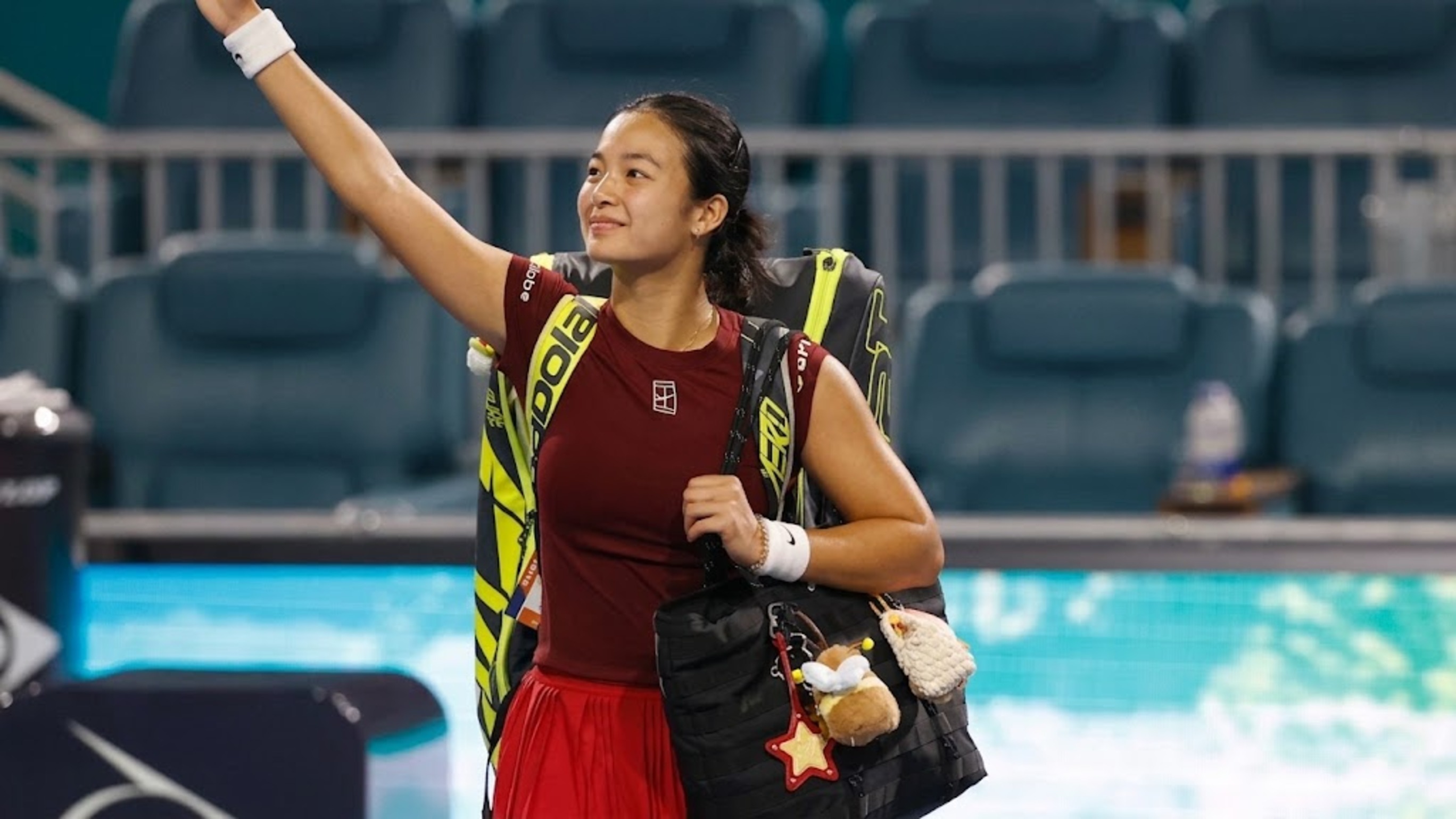
Alex Eala is risking a $10,000 fine and a ranking-point penalty to represent the Philippines at the Asian Games instead of playing a mandatory WTA tournament. Marc Márquez and his MotoGP rivals answer to a global championship calendar built entirely around manufacturer and commercial interests. WNBA stars just spent over two weeks representing their home countries at the FIBA World Cup, returning to a league schedule that had to simply wait for them.
Three completely different sports, three completely different versions of the same underlying tension. No single body actually owns an elite athlete's calendar anymore, and that's creating friction that keeps landing on the athletes themselves.
Who actually loses when the calendars collide
The tours and leagues rarely lose much. The WTA's mandatory tournament structure exists specifically to guarantee its biggest events get full fields of top players, and it enforces that through fines and ranking penalties regardless of what else is competing for an athlete's time. The WNBA similarly built a two-and-a-half-week gap into its own season for the FIBA World Cup, but the compressed week of games afterward, squeezed between the tournament's end and the start of playoffs, falls entirely on teams and players to absorb.
The athlete is almost always the one left managing the actual cost, whether that's a financial penalty, a fatigue disadvantage heading into playoffs, or simply the stress of choosing between two legitimate, competing obligations neither side is willing to formally accommodate.
The precedent problem making this worse
Indonesia's Janice Tjen sought the exact same WTA exemption Eala is currently requesting, and was denied outright. That precedent doesn't just affect Eala's individual case. It signals to every other athlete on every other tour that national team representation, however meaningful personally, generally loses out to commercial tour obligations whenever a governing body has to choose formally between them.
That's a quiet but consequential message for the broader sporting world to be sending, especially as multi-sport events like the Asian Games and Olympics continue positioning themselves as career-defining moments athletes should prioritize.
Why nobody's proposed a real fix
Building genuine coordination between international multi-sport calendars and commercial tour calendars would require organizations that don't currently talk to each other, and don't share financial incentives, to actively cede scheduling authority to one another. Tours protect their commercial product. Multi-sport federations protect their own prestige and broadcast windows. Neither has shown much appetite for accommodating the other's calendar at the cost of their own.
Until that changes, individual athletes will keep absorbing the collision points personally, one fine, one compressed schedule, one difficult choice at a time.
Should international governing bodies like the WTA build formal, automatic exemptions for Olympic-movement events into their mandatory-tournament rules, or would that simply invite every player to treat "representing my country" as a loophole around commercial obligations?

Sarajevo Back at the Heart of Regional MMA: SFC Returns with Explosive Matchups

How Buzzer Karma Works: Levels, Penalties, and What They Mean

Inside Buzzer's Latest Update (and Why It Changes How You Use the App)

Buzzer Introduces Ads Console: A New Era of Advertising Across the Entire Buzzer Ecosystem

Buzzer Is Evolving: From Quantity to Quality

Buzzer Now Has a Games Hub, and Tournaments Are Coming

Polo Al Taco Expands Its Global Reach Through Weekly Livestreams on Buzzer Arena TV

Al Ittihad SC's Matches Are Now Live on Buzzer

Palm City vs Gulf United Ends in 1–1 Draw in UAE Second Division League Clash

"We Don't Take the Guy With the Camera." He Built His Own Club Anyway. Now He's Coming to Find You.


 2


