





 0
Why Is US Open 2026 Suddenly Full of Teenagers and Twenty-Somethings Taking Over?
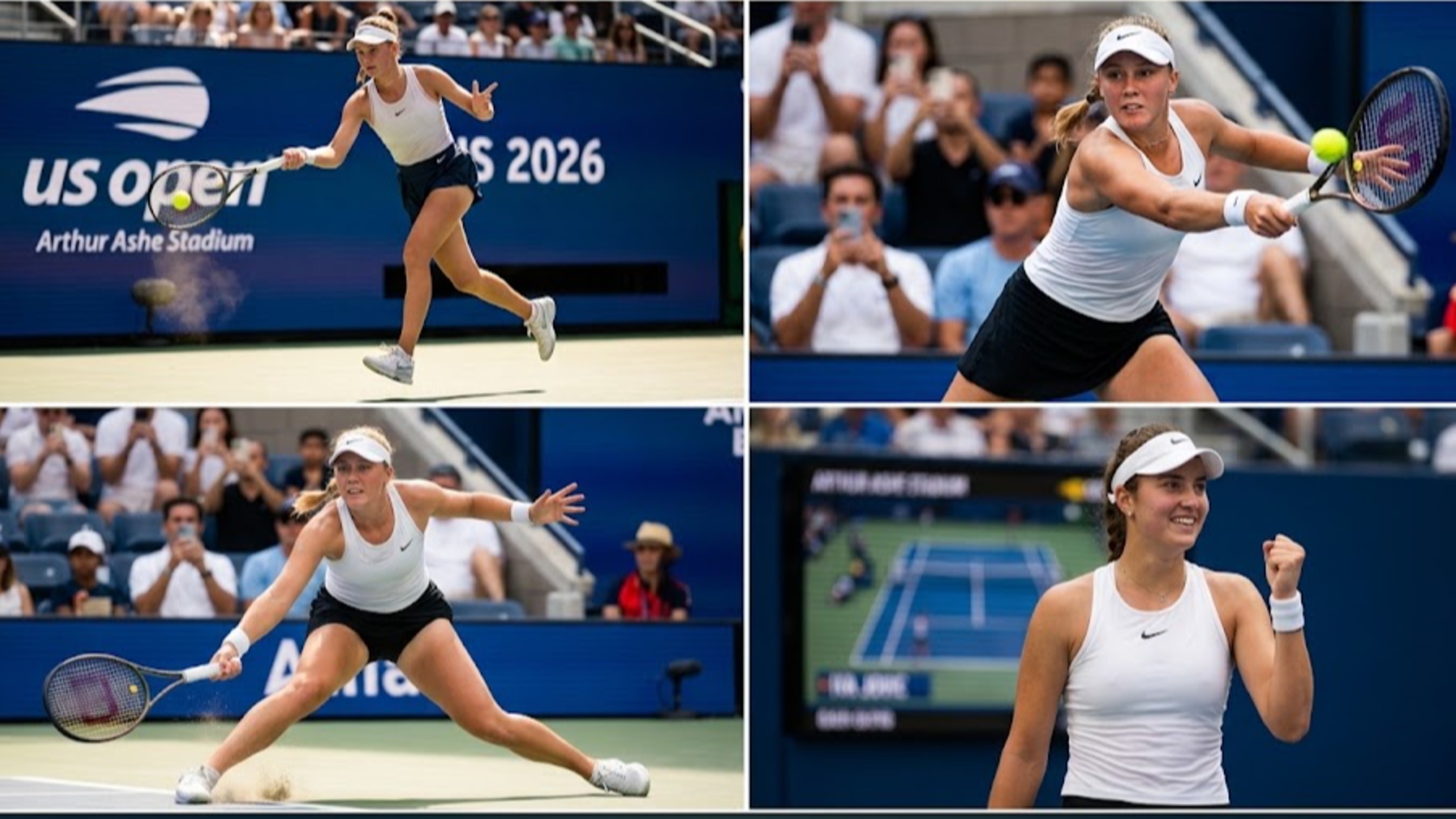
Learner Tien is 20 and just became the youngest American man to reach the US Open fourth round since Andy Roddick in 2002. Iva Jovic is 18 and into her third Grand Slam fourth round of the year. Mirra Andreeva is 19, already a French Open champion this season, and just completed the set of reaching the second week at all four majors in the same calendar year.
None of that reads like a fluke. It reads like a changing of the guard happening faster than usual.
Andreeva's Case Is the Loudest
Andreeva won Roland Garros this June, beating Maja Chwalinska in the final to become the youngest French Open women's champion since Iga Swiatek in 2020. She's also picked up two WTA 1000 titles along the way. This isn't a young player getting hot for one tournament, it's a young player who has already banked a major title and is treating the rest of the season as confirmation rather than surprise.
Her own description of her game says a lot: instinctual, reactive, built on trusting her shots rather than overthinking points. That's a dangerous style precisely because it doesn't rely on experience to execute.
Tien's Breakthrough Matters for a Different Reason
American men's tennis has spent years waiting for its next real contender behind the established names. Tien reaching the fourth round, and doing it as a 20-year-old with a five-set comeback already on his résumé this tournament, is exactly the kind of moment that gets pointed to years later as the start of something.
Roddick's name getting invoked isn't just a nice stat. It's a twenty-four-year gap being closed by one result.
The Common Thread
What connects Jovic, Andreeva, and Tien isn't nationality or playing style, it's that all three are already producing results against the tour's best rather than just promising ones against lesser competition. Jovic has losses this year to Sabalenka, Osaka, and Pegula, all searching, competitive matches rather than blowouts. Andreeva has a maiden major title. Tien has wins over ranked veterans on the biggest stage tennis offers.
Every sport goes through cycles where the next generation feels theoretical until suddenly it isn't. Grand Slam draws are usually where that shift becomes visible first, because there's nowhere to hide against elite competition over best-of-three or best-of-five sets.
What makes this wave especially interesting is how little these players seem interested in waiting for permission. They are not simply learning the tour; they are already challenging its hierarchy, beating established names and turning deep Slam runs into expectations rather than once-in-a-career surprises. That changes the pressure, too: the next generation is arriving with confidence, not apologies, and the established order suddenly has something to defend.
New York in 2026 might be remembered as the tournament where several separate breakthrough stories all landed in the same two weeks. The real question is which one of these three ends up being the name people are still talking about in five years?

Sarajevo Back at the Heart of Regional MMA: SFC Returns with Explosive Matchups

How Buzzer Karma Works: Levels, Penalties, and What They Mean

Inside Buzzer's Latest Update (and Why It Changes How You Use the App)

Buzzer Introduces Ads Console: A New Era of Advertising Across the Entire Buzzer Ecosystem

Buzzer Is Evolving: From Quantity to Quality

Buzzer Now Has a Games Hub, and Tournaments Are Coming

Polo Al Taco Expands Its Global Reach Through Weekly Livestreams on Buzzer Arena TV

Al Ittihad SC's Matches Are Now Live on Buzzer

Palm City vs Gulf United Ends in 1–1 Draw in UAE Second Division League Clash

"We Don't Take the Guy With the Camera." He Built His Own Club Anyway. Now He's Coming to Find You.


 1


