





 0
FIBA Moved the World Cup. The WNBA Was the Reason
For as long as the FIBA Women's World Cup has existed, it's scheduled itself around whatever suited the men's game. Starting in 2030, it won't do that anymore. It's rescheduling around the WNBA instead.
That's not a small procedural tweak. That's an international federation redesigning its own flagship event because a domestic American league has become too important to schedule around.
What actually just happened
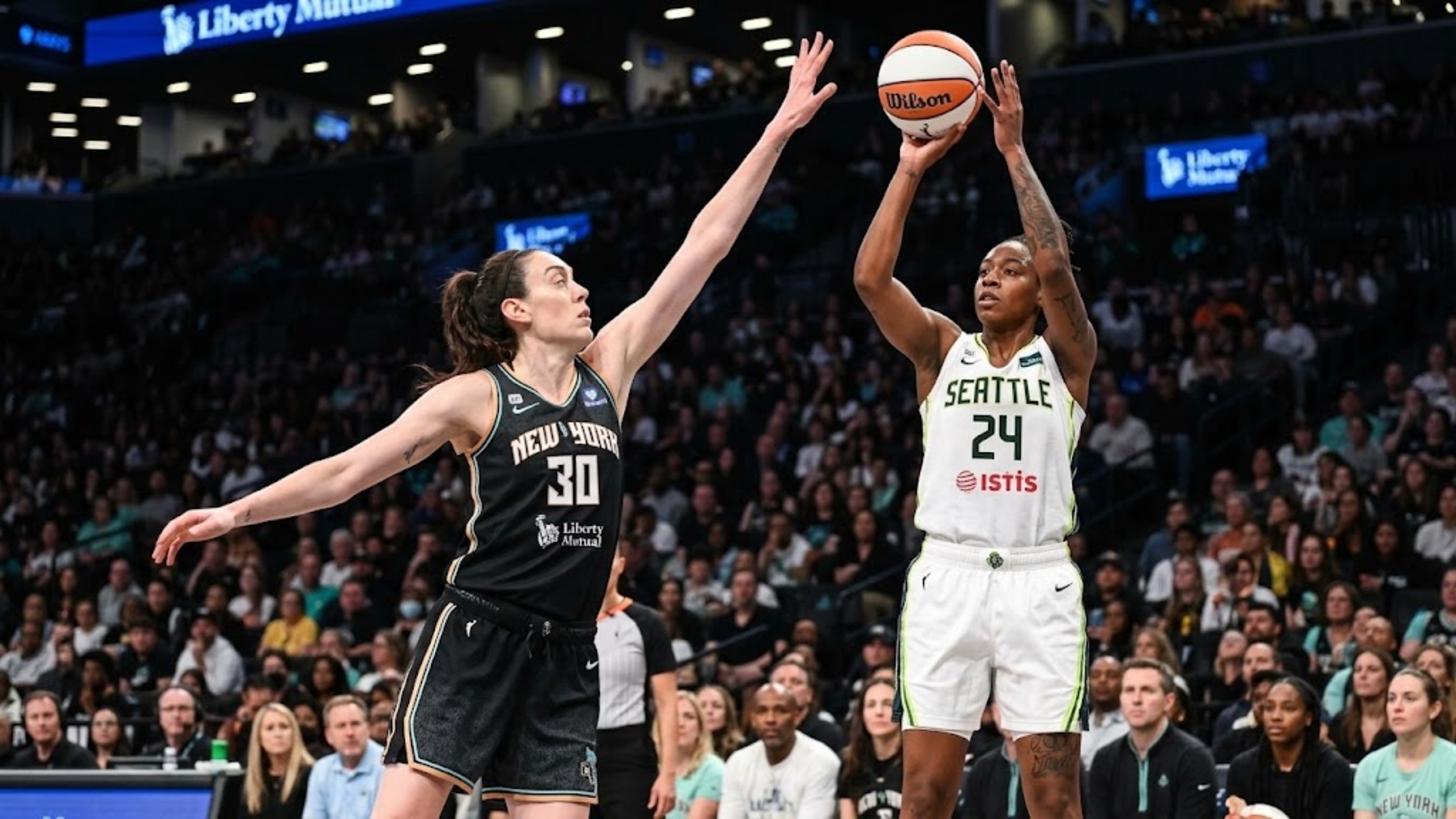
This year's tournament ran September 4 to 13 in Berlin, landing directly on top of the tail end of the WNBA regular season and the start of its playoffs, which forced fans, broadcasters, and more than a few players to choose which competition to follow on a given night. The United States still won the thing, beating France in the final for a 12th world title, with Breanna Stewart taking MVP.
But the clash was loud enough that FIBA's Central Board decided the next edition, in 2030, needs a different window entirely. It's shifting to late November and early December, clear of the WNBA calendar altogether.
Why an international federation blinks first
Historically, this kind of accommodation runs the other way. Domestic leagues build their calendars around the international windows FIFA or FIBA hand down, not the reverse. Men's basketball still largely works that way; the NBA offseason lines up conveniently with FIBA's summer tournaments, and nobody's rearranging anything for anybody.
Women's basketball just broke that pattern. The WNBA has gotten big enough, in attention and in the stakes players and franchises have riding on its own postseason, that FIBA decided a global World Cup was the thing that needed to move.
What it says about where the sport's center of gravity sits
Follow the money and the talent and you get the same answer. A growing share of the world's best players are WNBA players first, national team players second, and the calendar fight this September made that hierarchy visible in a way press releases never could. When Stewart or a European star has to choose between chasing a WNBA title and reporting for national duty, that's not an abstract scheduling puzzle. It's a real conflict of loyalties that the league now has enough leverage to resolve in its own favor.
That matters beyond one tournament. If the world's elite players increasingly build their careers around league basketball, international competitions have to compete for their time rather than simply assume they will get it. The calendar is becoming a reflection of where players' professional lives are actually built.
FIBA moving its biggest women's event by two and a half months is the clearest acknowledgment yet that the power in this sport doesn't sit where the international calendar assumed it did for decades. The old assumption, that domestic leagues wait their turn behind the World Cup, just got flipped on its head for an entire discipline.
If the WNBA's calendar is now dictating terms to a global federation, how long before other international basketball events start rearranging themselves too?

Sarajevo Back at the Heart of Regional MMA: SFC Returns with Explosive Matchups

How Buzzer Karma Works: Levels, Penalties, and What They Mean

Inside Buzzer's Latest Update (and Why It Changes How You Use the App)

Buzzer Introduces Ads Console: A New Era of Advertising Across the Entire Buzzer Ecosystem

Buzzer Is Evolving: From Quantity to Quality

Buzzer Now Has a Games Hub, and Tournaments Are Coming

Polo Al Taco Expands Its Global Reach Through Weekly Livestreams on Buzzer Arena TV

Al Ittihad SC's Matches Are Now Live on Buzzer

Palm City vs Gulf United Ends in 1–1 Draw in UAE Second Division League Clash

"We Don't Take the Guy With the Camera." He Built His Own Club Anyway. Now He's Coming to Find You.


