




 0
0
F1 Once Had a Podium With an Average Age of Nearly 47
Modern Formula 1 grids are stacked with drivers in their twenties, some barely out of their teens.
At the very first Swiss Grand Prix in 1950, during Formula 1's inaugural season, the entire podium had a combined age of more than 140.
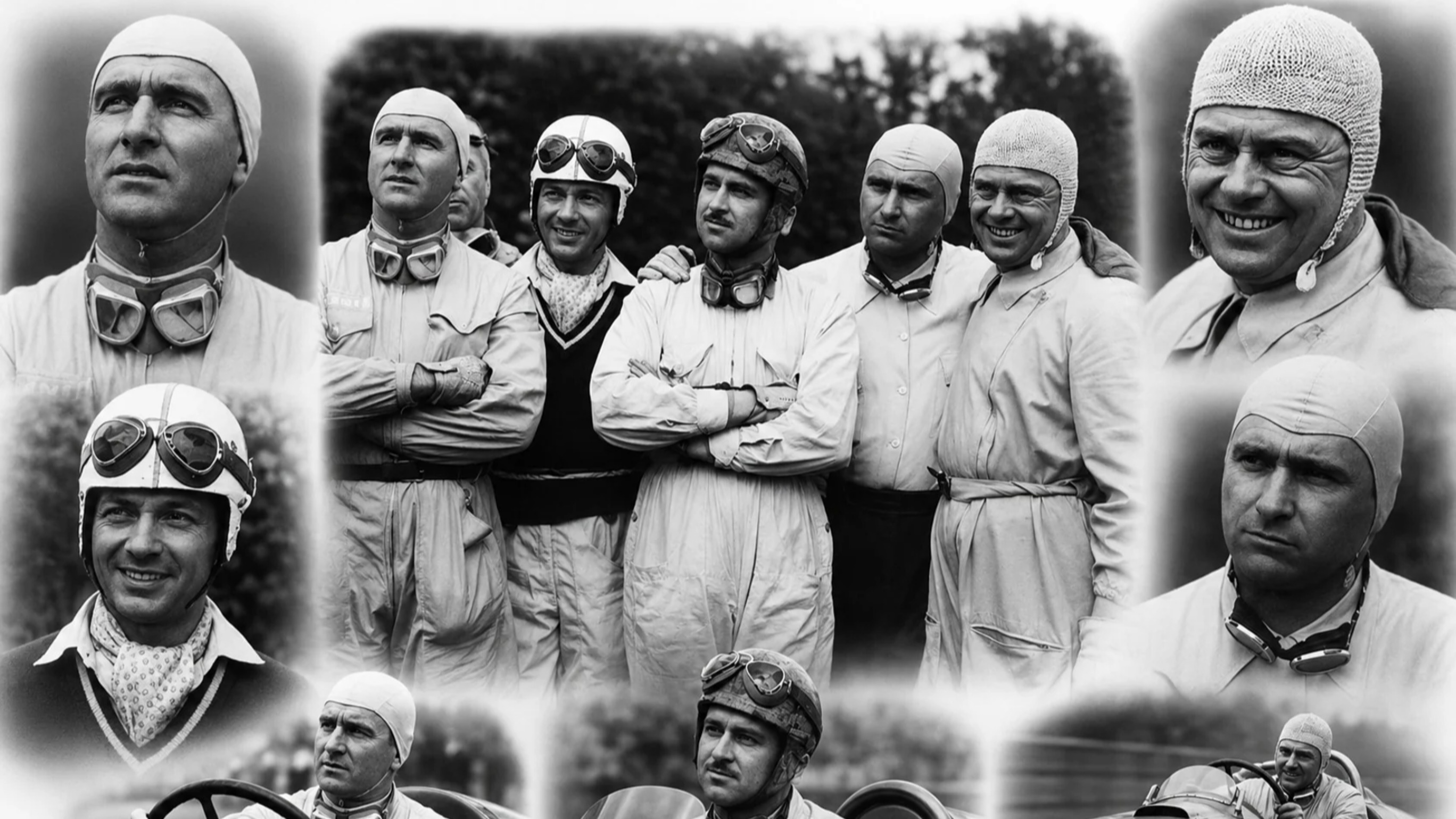
Nino Farina, Luigi Fagioli and Louis Rosier averaged 46 years and roughly eight months between them, still the oldest podium in the sport's history more than 75 years later.
A sport built by men who'd already lived full careers
Farina, who went on to win that inaugural 1950 world championship, was 43 at the time of the Swiss race. Fagioli, his Alfa Romeo teammate, was 51. Rosier, driving a privately entered Talbot-Lago and finishing an impressive third after choosing not to stop for fuel across the entire race, was 44.
None of them were unusual for the era.
Grand Prix racing in 1950 drew heavily from a generation of drivers who'd already built careers before the Second World War interrupted the sport for the best part of a decade, meaning the championship's founding grid was full of men well into what would now be considered the back half of a driving career.
The following year, Fagioli went even further, winning the 1951 French Grand Prix at 53 years old, a record for the oldest Grand Prix winner in F1 history that remains untouched today by a margin of seven years over the next name on the list.
A gap that closed fast
The shift away from that era happened remarkably quickly by the standards of most sports.
By the end of the 1950s, the average driver's age on the grid had dropped into the early thirties, and Bruce McLaren became the sport's youngest ever race winner at 22 in 1959, a record that stood for over four decades before Fernando Alonso and later Sebastian Vettel eventually broke it in the 2000s.
Between 1960 and the early 1990s, the average F1 driver's age hovered consistently around 32, even as a handful of veterans like Jack Brabham and Graham Hill continued winning races into their own forties.
Physical demands, increasingly professionalised junior racing pipelines, and teams' growing preference for younger talent all pushed the sport steadily toward the age profile fans recognise today.
A record that's effectively permanent
Modern F1's physical and cognitive demands, reaction times, neck strength under sustained high g-forces, the sheer intensity of a modern Grand Prix weekend, make it almost impossible to imagine a driver competing competitively into his fifties again, let alone three of them sharing a podium at once.
Even Fernando Alonso, one of the most durable drivers of the modern era and still competitive deep into his forties, would need to keep racing for the better part of another decade to approach what Farina, Fagioli and Rosier did simply by being available at Bremgarten in 1950.
It leaves the 1950 Swiss Grand Prix podium sitting in the record books as a genuine relic: not a fluke result, but a snapshot of an era when Formula 1 simply hadn't decided yet what kind of driver it expected to see at the front of the grid.
Is a record like this destined to stand forever purely because modern sport has evolved past the conditions that made it possible, or could something unexpected eventually challenge it?


 2
2 