





 0
The Dodgers Are Winning Without Their Biggest Stars. Is Depth Becoming Baseball's Superpower?
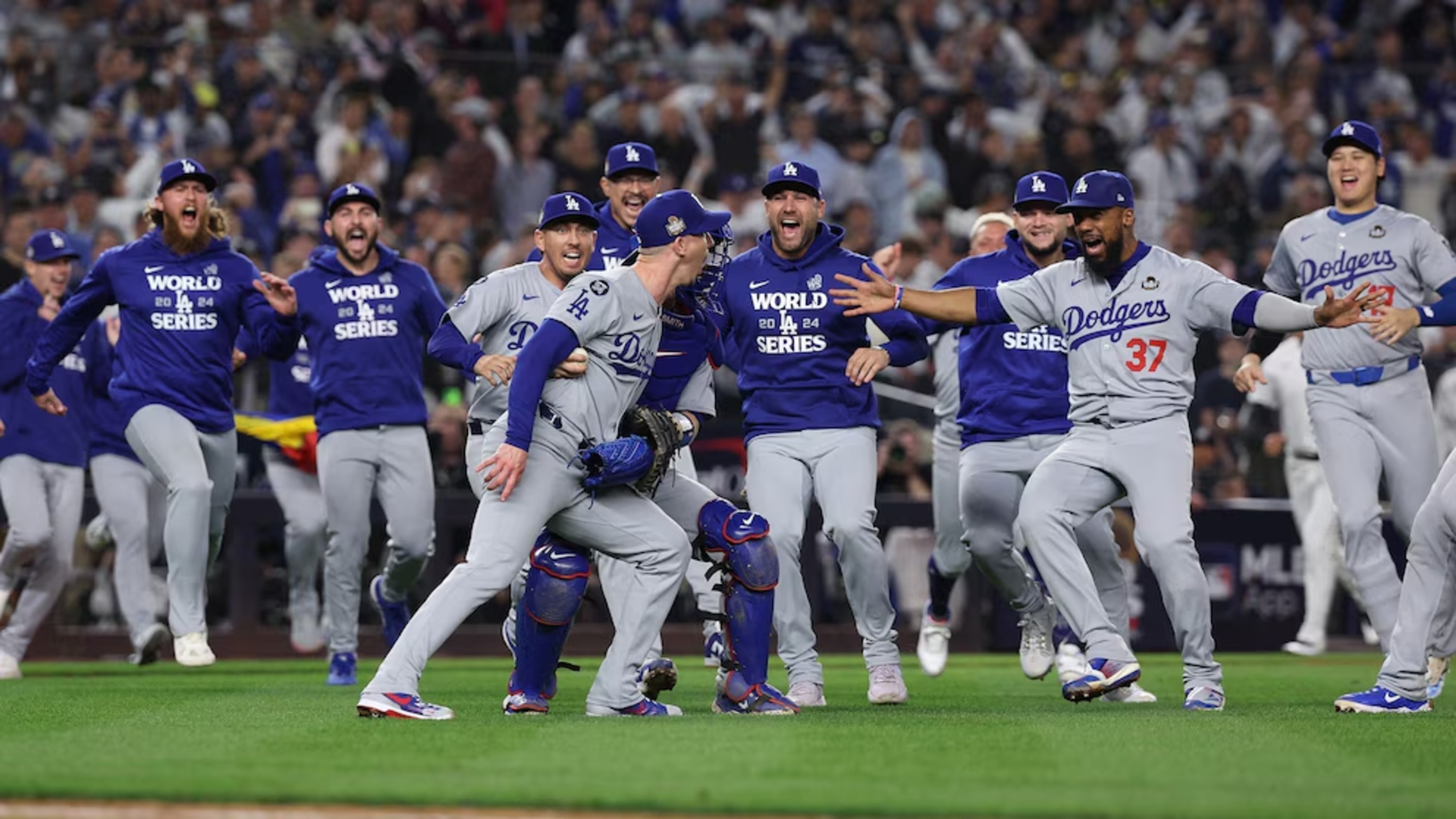
Shohei Ohtani, the $700 million man, has missed five of the Dodgers' last six games. He's likely done pitching for the season. And the Dodgers just won their fifth straight game anyway, sitting at 87-57 with a double-digit lead in the NL West.
That's not supposed to happen. A team built around the most singular talent in the sport isn't supposed to just shrug off his absence and keep winning comfortably. But that's exactly what's happening in Los Angeles right now.
What's actually going on with Ohtani
Ohtani returned to the leadoff spot against Cincinnati on Labor Day after a four-game absence tied to biceps discomfort, left knee soreness and neck issues. He's been in and out of the lineup ever since, part of what the organization is calling a deliberate, structured recovery plan rather than reactive day-to-day decisions. Manager Dave Roberts has acknowledged the calendar simply doesn't line up for Ohtani to pitch again this year, closing the book on his two-way role for 2026 after a stretch that included a 1.79 ERA across 14 starts before the knee issue shut him down in July.
For a team that's spent years building its identity around Ohtani's two-way brilliance, that's a significant loss to absorb during a pennant race.
The load has shifted, and the team hasn't blinked
Freddie Freeman, Mookie Betts and Kyle Tucker are carrying a visibly heavier share of the offense with Ohtani sidelined, and the bench has gotten thinner as depth pieces log more innings than originally planned. That's the uncomfortable part of relying on stars: when one goes down, someone else has to be good enough to cover, not just competent enough to survive.
So far, the Dodgers have done more than survive. Five straight wins with their best player barely playing isn't a team limping toward October. It's a team whose margin for error was built wide enough to absorb exactly this kind of hit.
Why this matters beyond one team's injury report
Modern roster construction philosophy has increasingly shifted toward paying for depth and redundancy rather than concentrating resources in two or three superstar contracts. The Dodgers, with the sport's largest payroll, have the unique ability to do both: stack genuine stars and still fund the kind of bench and rotation depth that makes any single injury survivable rather than season-defining.
That's a very different model than teams built around one or two irreplaceable names, where an injury like Ohtani's would typically be catastrophic rather than a manageable inconvenience.
The real test is still ahead
Regular season dominance built on depth is one thing. Whether that depth holds up in a short playoff series, where matchup-specific decisions and bullpen management matter more than volume, is the actual question the Dodgers haven't answered yet.
If a $700 million two-way superstar being unavailable barely dents a team's win total, has star power actually become less decisive in team-building than simply having enough good players to cover for each other?

Sarajevo Back at the Heart of Regional MMA: SFC Returns with Explosive Matchups

How Buzzer Karma Works: Levels, Penalties, and What They Mean

Inside Buzzer's Latest Update (and Why It Changes How You Use the App)

Buzzer Introduces Ads Console: A New Era of Advertising Across the Entire Buzzer Ecosystem

Buzzer Is Evolving: From Quantity to Quality

Buzzer Now Has a Games Hub, and Tournaments Are Coming

Polo Al Taco Expands Its Global Reach Through Weekly Livestreams on Buzzer Arena TV

Al Ittihad SC's Matches Are Now Live on Buzzer

Palm City vs Gulf United Ends in 1–1 Draw in UAE Second Division League Clash

"We Don't Take the Guy With the Camera." He Built His Own Club Anyway. Now He's Coming to Find You.


