





 0
One Global Fight Brand, Four Combat Sports. Why Is ONE Championship Selling More Than MMA?
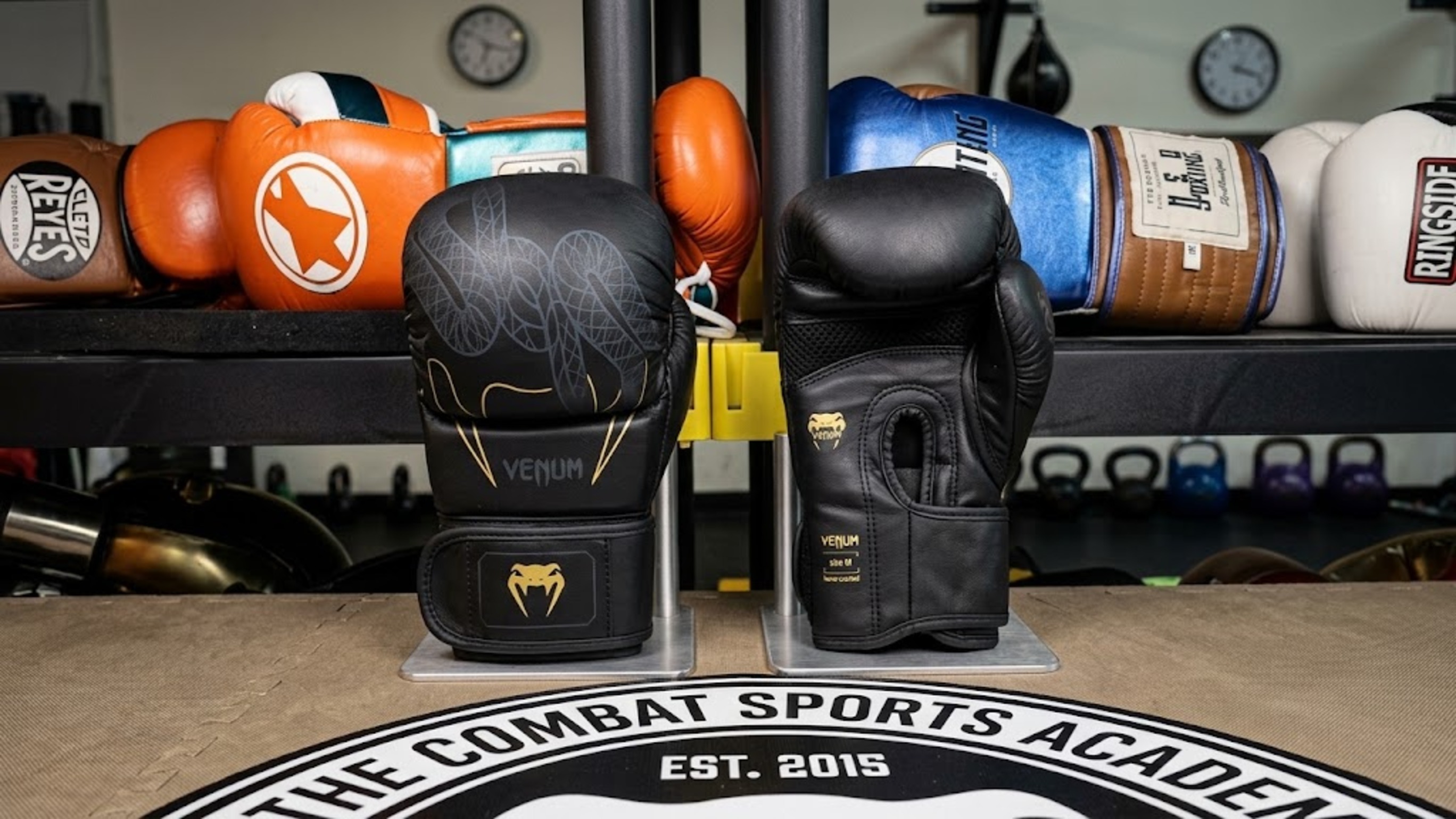
ONE Championship just signed a deal with Venum, and the first line of the press release sounds almost routine. ONE's athletes across MMA, Muay Thai, kickboxing and submission grappling will wear Venum apparel and competition gloves.
Read that sentence again and the scale of it comes through. Most major combat sports promotions sell one discipline. ONE is trying to sell four under a single name, and my view is that the Venum deal says more about that strategy than about gloves.
A reunion with a history
This isn't a first meeting. Venum previously produced official ONE-branded merchandise and sponsored fighters in the promotion. Then the French brand became the UFC's official outfitter in 2021, replacing Reebok, and relations with ONE cooled.
According to the Bangkok Post, fighters were barred from wearing Venum gear in the ring and at weigh-ins, and logos had to be taped over. That's a long way from today's deal, which the paper called a striking about-turn. The new arrangement was introduced at ONE Samurai 4 in Tokyo, where Jonathan Haggerty defends his bantamweight kickboxing title against Hiroki Akimoto.
No financial terms were disclosed. The Bangkok Post also noted that the timing lands amid the rivalry between ONE and RWS, though neither ONE nor Venum has linked the two.
Why four sports is a harder sell than it sounds
ONE started as an MMA promotion. Muay Thai and kickboxing bouts first appeared at ONE: Heroes of Honor in Manila on April 20, 2018, and submission grappling followed later.
The sports don't share equipment. According to Wikipedia's history of the promotion, kickboxing bouts have used boxing gloves since 2020, while Muay Thai uses open-finger 4 oz gloves. MMA has its own gloves, and grappling uses none. A single glove partner covering all of that is a real manufacturing job.
That detail matters because ONE's pitch depends on consistency. A viewer who watches a Muay Thai bout on Friday and an MMA fight on Saturday expects the same brand experience. Uniform apparel is the simplest way to deliver it.
The business case
ONE says it has a cumulative reach of over 400 million fans, according to Nielsen, which is the company's claim and worth treating as a marketing figure. What's easier to verify is the structure. The promotion's weekly programming has leaned heavily on Muay Thai, while MMA remains a major part of its international events.
There's a competitive angle too. The UFC sells one discipline with enormous reach, and ONE is betting that variety can compete with focus. A deal with the brand that outfits the UFC is a statement that ONE wants the same quality of presentation, even if it's offering a different menu.
The risk
The risk is dilution. Fans who love Muay Thai may not care about submission grappling, and fans of MMA may not follow kickboxing. A promotion that serves four audiences can end up serving none of them well.
I'd argue the answer is to let each sport keep its identity inside a shared look. Kit and gloves can be consistent, while rules, rankings and storylines stay distinct. The Venum deal helps with the first part, and it's up to ONE to handle the second.
Still, the reunion is a good sign for the sport. When fightwear brands compete for a promotion's attention, athletes get better equipment and fans get a cleaner presentation. That's a quiet win for everyone involved.
So here's the question. Is the future of combat sports a single discipline done at enormous scale, like the UFC, or a bigger tent with several sports under one logo?

Sarajevo Back at the Heart of Regional MMA: SFC Returns with Explosive Matchups

How Buzzer Karma Works: Levels, Penalties, and What They Mean

Inside Buzzer's Latest Update (and Why It Changes How You Use the App)

Buzzer Introduces Ads Console: A New Era of Advertising Across the Entire Buzzer Ecosystem

Buzzer Is Evolving: From Quantity to Quality

Buzzer Now Has a Games Hub, and Tournaments Are Coming

Polo Al Taco Expands Its Global Reach Through Weekly Livestreams on Buzzer Arena TV

Al Ittihad SC's Matches Are Now Live on Buzzer

Palm City vs Gulf United Ends in 1–1 Draw in UAE Second Division League Clash

"We Don't Take the Guy With the Camera." He Built His Own Club Anyway. Now He's Coming to Find You.


