




 0
0
The Afternoon 21 Polo Horses Collapsed Before a Championship
Polo fans arrived at the International Polo Club Palm Beach in April 2009 expecting a US Open semifinal.
Instead, they watched horses collapse in the parking lot before the match had even started, one of the strangest and most devastating tragedies in the sport's modern history.
The Horses Started Falling Before They Even Reached the Field
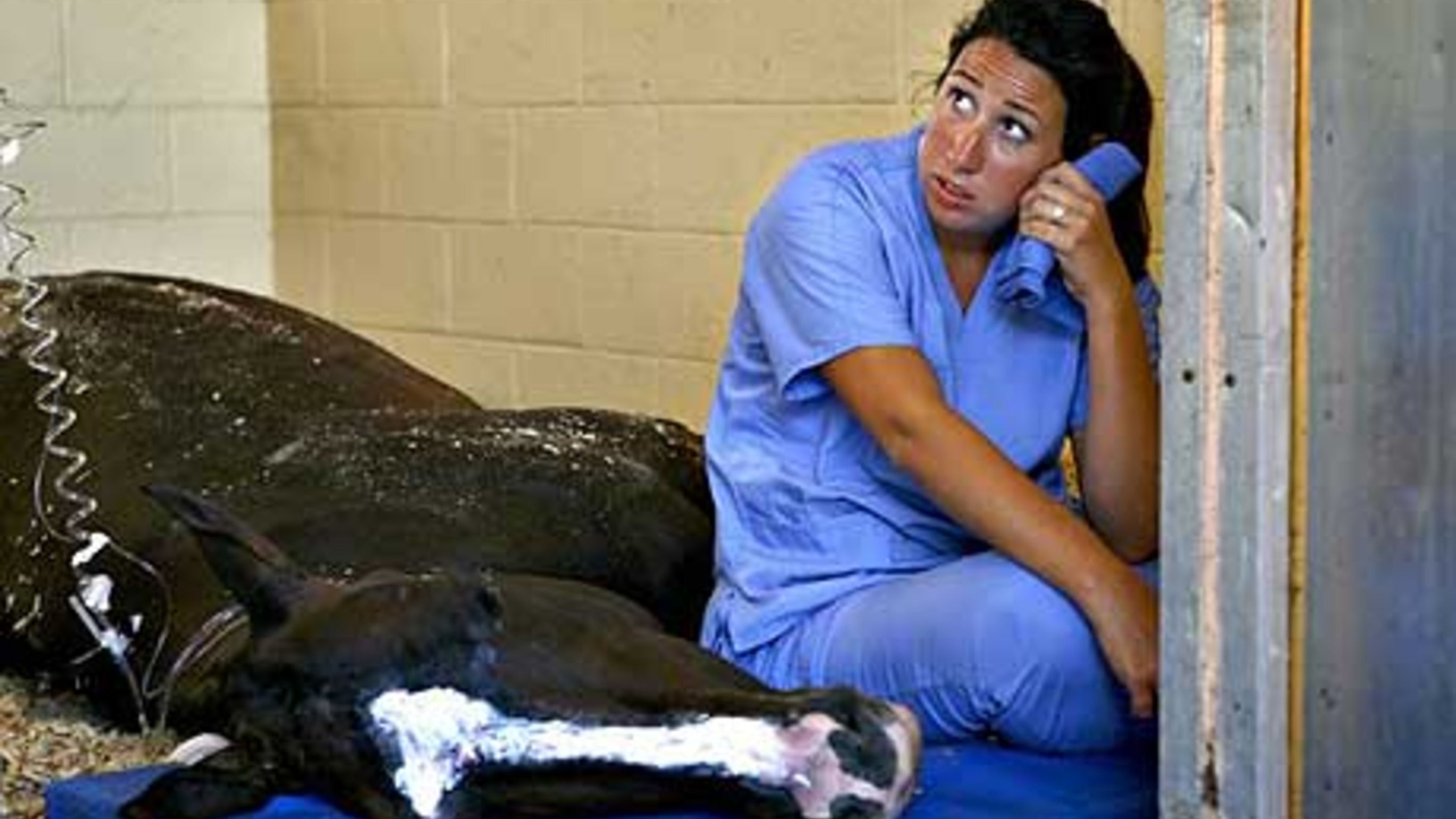
The Lechuza Caracas team, a Venezuelan-owned outfit stocked mostly with Argentine horses and players, was unloading its string from the trailers that Sunday afternoon when the first animals began stumbling and acting disoriented. Within minutes, horses were collapsing on the grounds.
Veterinarians rushed in, but by the next morning, 21 of the team's horses were dead, some dying on the scene, others while being rushed to nearby clinics. Club manager Jimmy Newman later described the scene bluntly: it was a terrible thing that wasn't going to bring the horses back.
A Vitamin Shot Meant to Help Turned Fatal
Suspicion fell almost immediately on a supplement the horses had been given shortly before the match, a compound meant to imitate Biodyl, a French vitamin and mineral formula containing potassium, magnesium, and selenium that's commonly used elsewhere in the world to help horses recover from strenuous exercise. Biodyl isn't approved for use in the United States, so a Florida veterinarian had ordered a compounding pharmacy to recreate a similar mixture. Lechuza's own statement noted a detail that made the cause almost impossible to argue with: every horse that received the compound became sick and died within three hours, while horses that weren't treated with it stayed completely healthy.
The Pharmacy Admitted the Mistake
Four days after the tragedy, Franck's Pharmacy in Ocala, Florida, released a statement confirming what an internal investigation had found: the strength of one ingredient in the compound was incorrect. The pharmacy didn't specify which ingredient, but veterinary experts pointed to selenium as the likely culprit, since even a modest overdose of that particular mineral can trigger fatal heart failure in horses. Properly mixed, the supplement should have posed no danger at all. Improperly mixed, it turned into a mass poisoning event that unfolded in front of a stunned polo community mid-tournament.
Why This Story Still Matters to the Sport's Business Side
Beyond the tragedy itself, the incident exposed something the polo world rarely discusses openly: a single high-goal team's horses can represent millions of dollars in bloodstock, and a single pharmacy error can wipe out a significant fraction of that investment in one afternoon. Lechuza pursued legal action against the pharmacy in the aftermath, and the case became a reference point across the entire equestrian industry for how tightly compounding pharmacies need to be regulated when the patients can't describe their own symptoms.
The tournament itself resumed just days later, a memorial service held for the horses before play continued, which tells you something about how deeply embedded competition is in the culture surrounding the sport. Polo people mourned, then got back on the field, because that's apparently what the sport has always demanded of the people who love it.


