





 0
The Brewers Couldn't Win Six Straight. Somehow, They Set a Franchise Record.
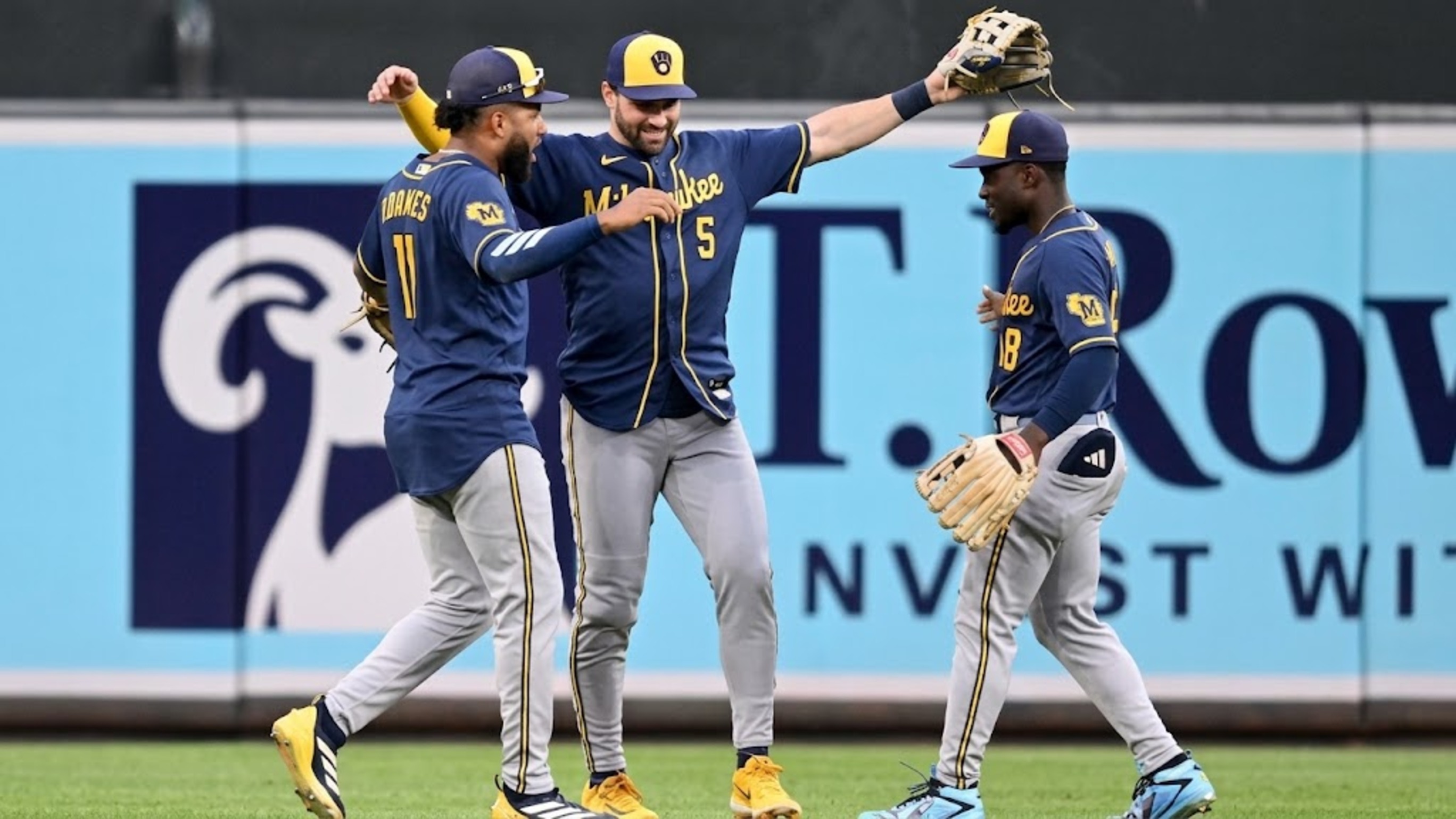
Milwaukee beat Baltimore 3-0 on Sunday to reach 98 wins, breaking the franchise record the team had set just one year earlier at 97. Manager Pat Murphy's own description of how it happened undercuts every assumption about how a record-breaking season is supposed to look: "We haven't had these streaks of greatness. We haven't put it all together."
No winning streak longer than five games all season. No signature month that reset expectations for the rest of the league. Just 98 wins, the best record in Major League Baseball, a fourth consecutive NL Central title already clinched, and an eighth postseason appearance in nine years, built entirely without the dramatic hot stretch that usually defines a record-setting team's story.
What actually produced 98 wins without a signature streak
Sunday's record-breaking win was Milwaukee's ninth series sweep of the season, completed with seven different pitchers combining on a four-hit shutout. That's the pattern underneath this entire season: distributed contribution rather than reliance on any single dominant stretch or standout individual performance carrying the team through a slump.
Jacob Misiorowski, who threw an abbreviated three-inning start specifically to manage his workload heading into October, sits at 15-5 with a 1.86 ERA, exactly the kind of front-line performance a smaller-market team needs from a homegrown arm rather than an expensive free-agent addition. Jackson Chourio's 21 stolen bases put him alongside Julio Rodríguez and Bobby Witt Jr. as the only players with 20 homers and 20 steals in three consecutive seasons to start a career, a sign of genuinely elite young talent the Brewers developed rather than purchased.
The model this actually represents
Milwaukee has now made the postseason eight times in nine years without ever operating with anything close to a top-tier payroll. That's not a lucky one-season outlier. It's a sustained run built on pitching depth deep enough to survive without a true ace, and a player development pipeline productive enough to keep replacing departing talent with equally capable replacements.
The Brewers haven't reached the World Series since 1982, a genuinely long gap that this year's record-setting regular season doesn't erase on its own. What it does confirm is that Milwaukee's specific approach, distributed pitching load, disciplined player development, four straight division titles without star-power spending, keeps producing regular-season results that outperform almost every payroll-based expectation for a market this size.
Why the absence of a signature streak is actually the story
A team that sets a franchise wins record without ever stringing together a truly dominant stretch is a team whose floor is unusually high across an entire season, rather than one whose ceiling occasionally spikes. That's a harder thing to build than a hot month, and arguably a more reliable one heading into October, when consistency matters more than any single week of brilliance.
Does a record built on distributed depth rather than one dominant streak actually predict better postseason success than a flashier team that peaked in July and coasted afterward, or does October simply reward whichever team happens to get hot at the right moment regardless of how the regular season unfolded?

Sarajevo Back at the Heart of Regional MMA: SFC Returns with Explosive Matchups

How Buzzer Karma Works: Levels, Penalties, and What They Mean

Inside Buzzer's Latest Update (and Why It Changes How You Use the App)

Buzzer Introduces Ads Console: A New Era of Advertising Across the Entire Buzzer Ecosystem

Buzzer Is Evolving: From Quantity to Quality

Buzzer Now Has a Games Hub, and Tournaments Are Coming

Polo Al Taco Expands Its Global Reach Through Weekly Livestreams on Buzzer Arena TV

Al Ittihad SC's Matches Are Now Live on Buzzer

Palm City vs Gulf United Ends in 1–1 Draw in UAE Second Division League Clash

"We Don't Take the Guy With the Camera." He Built His Own Club Anyway. Now He's Coming to Find You.


 1


