




 0
0
She Took a Year Away From Swimming. Then She Matched a Record Nobody Had Touched in Decades
Sarah Sjöström gave birth to her first child in the second half of 2025.
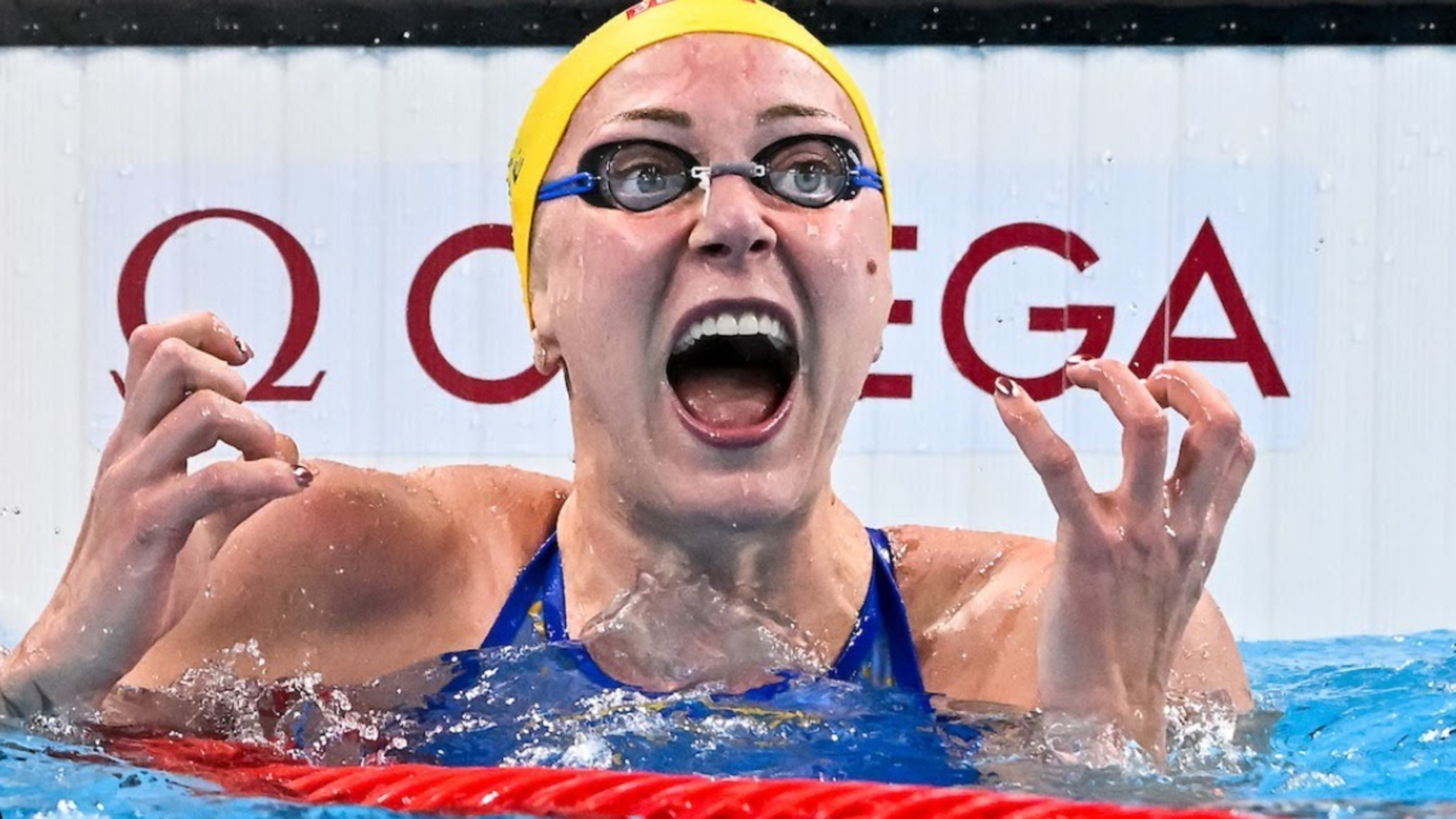
Roughly a year later, at the 2026 European Aquatics Championships in Paris, the Swedish swimmer won the 50m butterfly to claim her 18th career European title, tying a record for the most gold medals ever won by a woman at the championships, one that had stood since Germany's Franziska van Almsick set it years earlier.
Stepping away at the top of her sport
Sjöström wasn't fading before she stepped back.
She'd won 50m and 100m freestyle gold at the Paris 2024 Olympics, adding to a career that already included multiple world records and Olympic medals stretching back over a decade.
After Paris, she skipped the following season's major championships entirely to start a family, an ordinary life decision that, for an elite athlete in her early thirties, often functions as a quiet retirement in everything but name.
Plenty of elite swimmers who take an extended break at that stage of a career simply don't come back at the same level, if they come back competitively at all.
The physical toll of pregnancy and childbirth, combined with a lengthy gap in training against opponents who kept racing the whole time, makes a genuine return to world-class sprinting an unusual thing to attempt, let alone achieve.
A comeback that started small and built quickly
Sjöström returned to competition in April 2026, roughly seven months after giving birth, clocking a respectable but unremarkable 24.36 in the 50m freestyle at a low-key meet in Stockholm.
By June, racing at the Sette Colli Trophy in Rome, she was already down to 23.86, edging back toward times that would trouble the world's best.
"I never thought it was possible a few months ago," she said, reflecting on how quickly her body had responded to a return to serious training.
At the European Championships themselves, she made the 50m freestyle final and took silver, then won the 50m butterfly outright in 25.05 seconds to claim her 18th European gold, tying Van Almsick's long-standing record for a woman's most golds at the championships, an event Sjöström has now competed in since making her debut there as a 14-year-old back in 2008.
Eighteen years of showing up in the same pool
What makes the record so remarkable is the span it covers rather than just the count.
Sjöström's first European gold came in the 100m butterfly at Eindhoven in 2008, when she was still a teenager with no international reputation to speak of.
Matching that achievement 18 years and one pregnancy later, in the same event category, against swimmers who in some cases weren't even born when her career began, says as much about sustained longevity as it does about any single comeback.
Across her career she's now amassed close to a hundred international medals, spanning Olympic, World Championship and European competition.
A record she could still take outright
Sjöström now has a genuine chance to break the record outright rather than simply match it, with further events still remaining on the championship schedule.
Whatever happens next, her run through 2026 has already made a case that the timeline elite athletes are expected to follow, retire quietly, start a family, fade from view, isn't the only one available, provided the talent and the will to come back are both still there.
Does a comeback like this change how sports should think about the assumed career timeline for elite female athletes who choose to have children mid-career?


 1
1 