

 0
0
FIFA Melted Down the Original World Cup Trophy’s Legacy Rule, and Football Lost Something for
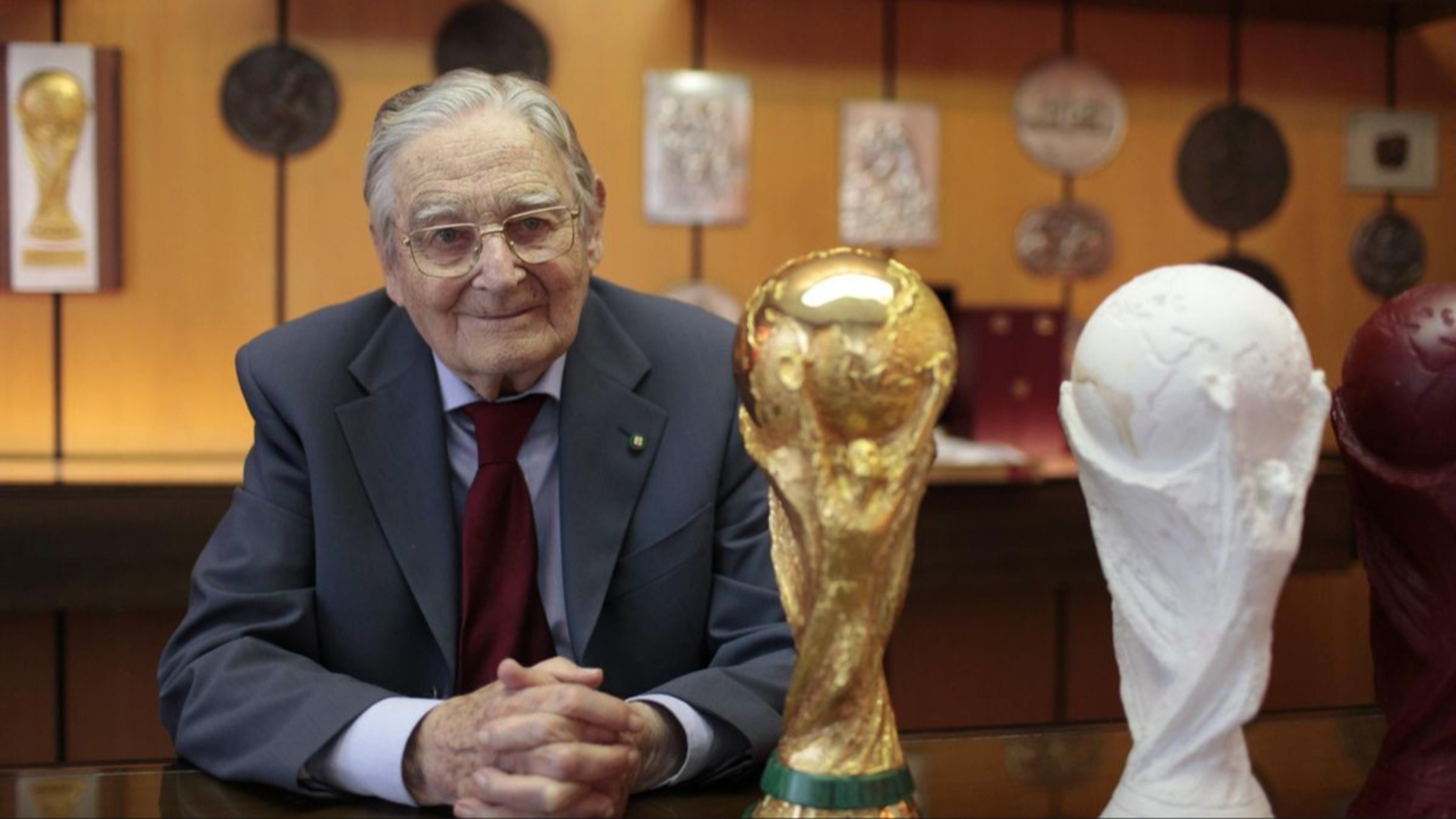
The trophy hoisted at every World Cup final today was designed by an Italian sculptor named Silvio Gazzaniga, who beat out more than fifty other entries from artists across 25 countries by submitting a full-size plaster prototype rather than just sketches. It’s a beautiful piece of work, two human figures triumphantly lifting the globe, cast in solid 18-carat gold.
It also exists because of one of football’s stranger, sadder stories: a country got to permanently keep a trophy, and then someone stole it and almost certainly melted it into gold bars.
The rule that made winning mean something extra
The original World Cup trophy, known as the Jules Rimet Trophy after the FIFA president who commissioned it, came with a genuinely remarkable rule attached from the very beginning. Any nation that won the World Cup three times would keep the trophy forever, outright, no strings attached.
That’s an extraordinary stake to attach to a trophy. It meant a nation’s third World Cup wasn’t just another title. It was a permanent claim to football history, a physical object that would sit in that country as proof for as long as the trophy existed.
Brazil got there first, winning their third World Cup in 1970 and taking the Jules Rimet home for good, exactly as the rule promised.
Then it disappeared, twice
The trophy’s first brush with disaster came in 1966, when it was stolen while on public display in England before the tournament that year. It turned up a week later, found under a hedge in south London by a dog named Pickles, genuinely one of football history’s strangest footnotes.
The second theft, in December 1983, wasn’t as lucky. Thieves broke into the Brazilian Football Confederation’s headquarters in Rio de Janeiro and stole the trophy from a supposedly bulletproof glass case. Despite arrests and a full investigation, the Jules Rimet Trophy was never recovered. It’s widely believed to have been melted down for its gold content, though the men convicted denied it and some investigators doubted the trophy’s specific composition could have produced the gold bars allegedly created from it.
Either way, one of football’s most meaningful objects, a physical symbol of Brazil’s status as the first three-time champion, simply vanished and was never seen again.
What replaced it, and what got lost
FIFA had already commissioned Gazzaniga’s replacement trophy before the 1983 theft, since the permanent-ownership rule obviously couldn’t continue indefinitely without eventually running out of trophies to give away. The new trophy, debuted in 1974, comes with a very different rule: the original stays with FIFA permanently, stored at their Swiss headquarters between tournaments, and winning nations take home a gold-plated replica instead.
That’s a more sustainable system, unquestionably. It’s also a quieter one. The idea that a specific nation’s third title could earn them permanent, physical possession of football’s ultimate prize was a genuinely romantic piece of sporting mythology, the kind of stake that made winning three times feel meaningfully different from winning once or twice.
Modern football has nothing quite like it anymore. Every winning nation gets the same replica, every time, with no possibility of ever owning the real thing outright. Efficient, fair, and a little bit less magical than what came before.
Would sport benefit from bringing back higher-stakes trophy rules like this, where extraordinary achievement earns something permanent and irreplaceable, or does the risk of losing history this way make it not worth it?


 1
1