




 0
0
Why Is One of the World’s Most Dangerous Races Still Held on Public Roads?
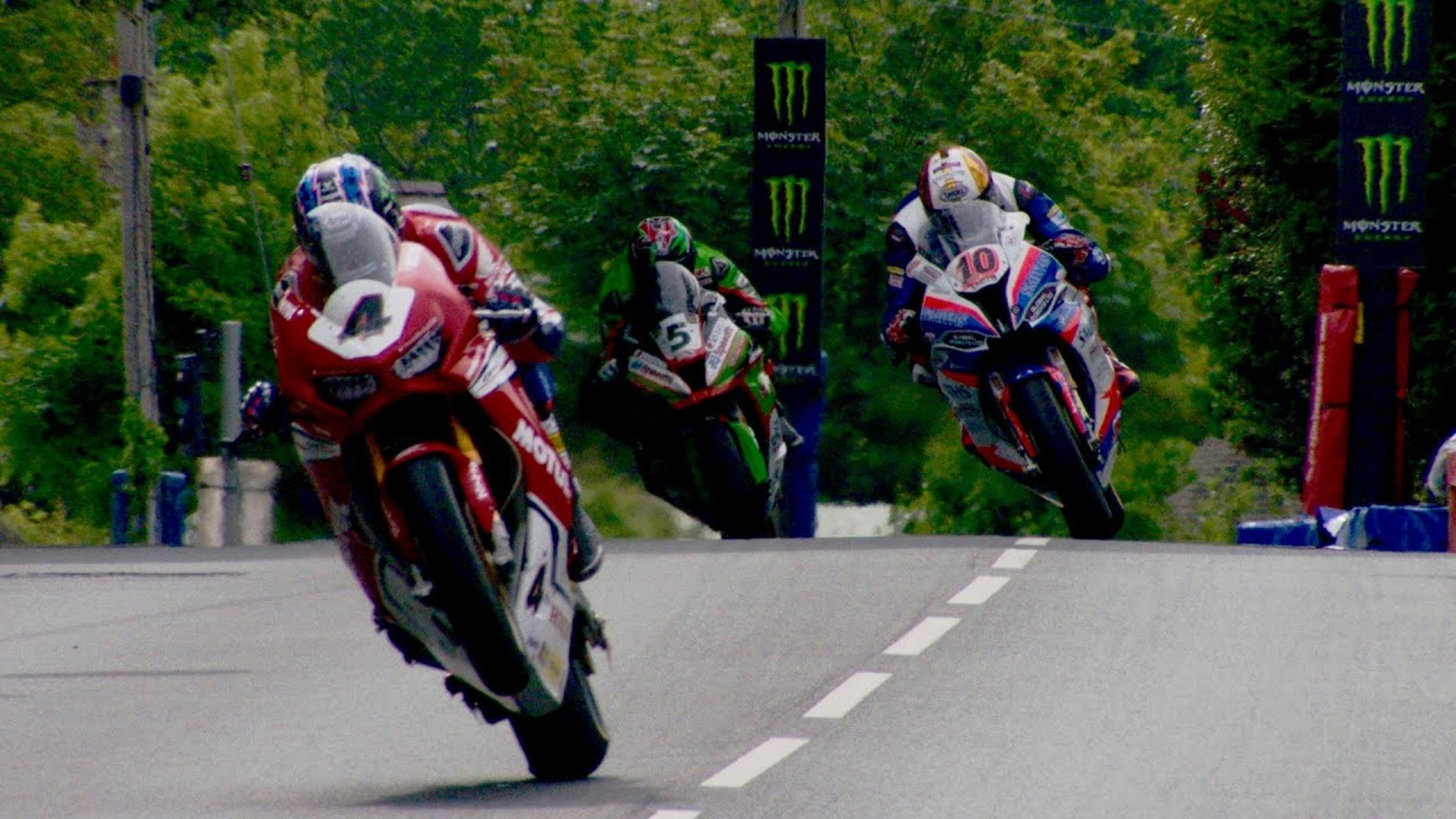
The Isle of Man TT has been run almost every year since 1907. Its 37.73-mile course winds through village streets, past stone walls, and over an open mountain road, closed to normal traffic for two weeks each year rather than built as a purpose-designed racetrack.
Since racing moved to that full Mountain Course in 1911, it has claimed close to 270 lives. It remains one of the last major motorsport events anywhere still run entirely on public roads, and it shows no sign of stopping.
A course that was never designed to be safe
Almost every other form of motorsport moved decades ago toward purpose-built circuits with runoff areas, gravel traps, and barriers designed specifically to give a driver or rider room to recover from a mistake.
The Isle of Man TT’s Mountain Course offers none of that. Riders reach speeds well over 180mph on roads lined with houses, telegraph poles, hedges, and stone walls, features that were never engineered with racing safety in mind because the road exists for everyday island traffic the rest of the year.
The danger isn’t incidental to the event, it’s essentially the whole reason the TT still exists in its current form. Modern short circuits eliminated exactly this kind of risk decades ago, which is part of why the world championship stopped including the TT after 1976, following a boycott by leading riders, including multiple champion Giacomo Agostini, who refused to return following the death of a close friend at the event.
Riders who choose it anyway
Despite the danger, and despite modern road racing offering nowhere near the prize money or prestige of MotoGP, competitors continue applying to race the TT every year. Many treat it as a completely separate discipline from short-circuit racing, one built around memorising hundreds of reference points across nearly 38 miles of constantly varying road rather than the repetitive, closely controlled laps of a purpose-built track.
Riders who compete regularly describe a level of focus and risk management unlike anything else in motorsport, since a single lapse in concentration on a blind crest or narrow village section carries consequences a modern circuit’s safety features were specifically designed to remove. It’s part of why so few current MotoGP riders ever attempt it, even as a curiosity, while a small, dedicated group of road-racing specialists keep coming back year after year.
A tradition the island has never let go of
The Isle of Man’s government continues to fund and promote the event, which draws tens of thousands of visitors and forms a significant part of the local economy and identity each summer.
Safety measures have improved gradually over the decades, better medical response times, course inspections, incident tracking software, but the fundamental character of the event, real roads with real, unforgiving obstacles, has remained deliberately unchanged.
It leaves the TT in a strange category almost unique in modern sport: an event whose organisers, competitors, and fans all openly acknowledge the danger, and choose to keep it running largely as it’s always been anyway.
Should an event this dangerous still be allowed to continue in something close to its original form, or does a fatality record like this eventually demand the same kind of safety overhaul every other major motorsport went through decades ago?


