

 0
0
The Cricket Ground With No Home Team That Became Cricket’s Busiest Stadium
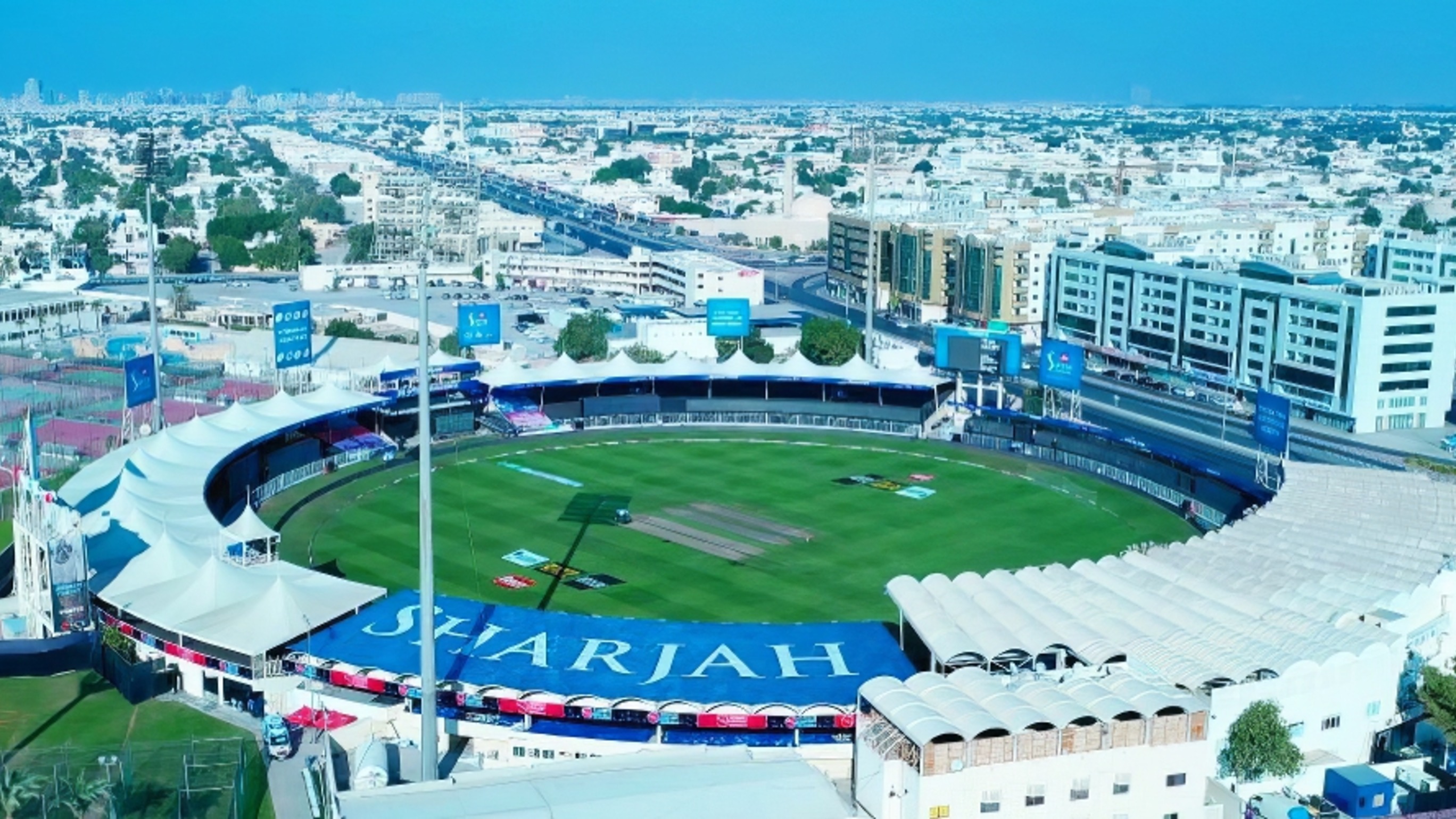
Sharjah Cricket Stadium opened in the early 1980s in a country with essentially no cricketing history of its own. Today it ranks among the most-used international cricket venues anywhere in the world, having hosted close to 300 international matches, more than most grounds in cricket-mad nations like Australia or England.
None of that happened by accident, and none of it required a home cricket team to succeed.
Built for a diaspora, not a nation
The man behind Sharjah’s rise was Abdul Rahman Bukhatir, a local businessman who envisioned the project in the early 1980s. His idea wasn’t to build a cricket culture from scratch in the UAE. It was to give the huge South Asian expatriate population already living and working in the Gulf a place to watch the sport they’d grown up with, featuring the players they already idolized from home.
The stadium hosted its first international match, the 1984 Asia Cup, and quickly became known for something specific: honoring cricketers of past and present generations from India and Pakistan through benefit matches, run under the Cricketers Benefit Fund Series that Bukhatir had established in 1981. Sharjah became a place where expatriate fans could show their love for their home countries in a way that felt more personal and accessible than anything available back home.
The golden era, and the fall
Through the 1980s and into the early 1990s, Sharjah became genuinely synonymous with India-Pakistan cricket, hosting an atmosphere that fans have described as harder to recreate even in the two countries’ actual home stadiums. By 2002, the ground had expanded to a 27,000 capacity with floodlights installed.
Then match-fixing scandals emerged across international cricket in the late 1990s, and Sharjah’s reputation took the hit hardest. Though nothing was ever definitively proven against the venue itself, teams began drifting away, and in 2001 the Indian cricket board formally banned its national team from playing there. Between 2003 and 2010, Sharjah hosted no international cricket at all.
The unlikely second act
Sharjah’s revival came from a source nobody would have predicted for a ground that built its name on India-Pakistan rivalry: Pakistan needing a neutral, secure venue to host its own home matches after security concerns made playing at home impossible following 2009. Sharjah, along with other UAE venues, became Pakistan’s adopted home ground for years.
Afghanistan’s national team also chose Sharjah as a home base starting in 2010, giving a country without stable cricket infrastructure of its own a genuine international venue to call home, before eventually relocating. Sharjah remains one of the few cricket grounds in the world to have hosted a Test match involving neither participating nation as the host country, and the only such Test played in a country that isn’t a Test-playing nation itself.
What Sharjah actually proves
A cricket ground doesn’t need a home national team, deep local tradition, or even a clean uninterrupted history to become historically significant. It needs the right diaspora at the right moment, and the flexibility to become useful again once cricket’s politics inevitably shift, which they eventually did.
Does a venue’s importance to cricket history depend on hosting a home team, or can a ground earn genuine significance purely by serving as everyone else’s adopted home?


 1
1