




 0
0
F1 Is Leaving the Track That Only Came Back Because of One Driver
Formula 1 first raced at Zandvoort, a circuit tucked into the sand dunes on the Dutch North Sea coast, back in 1952. It hosted the Dutch Grand Prix on and off for decades before dropping off the calendar in 1985.
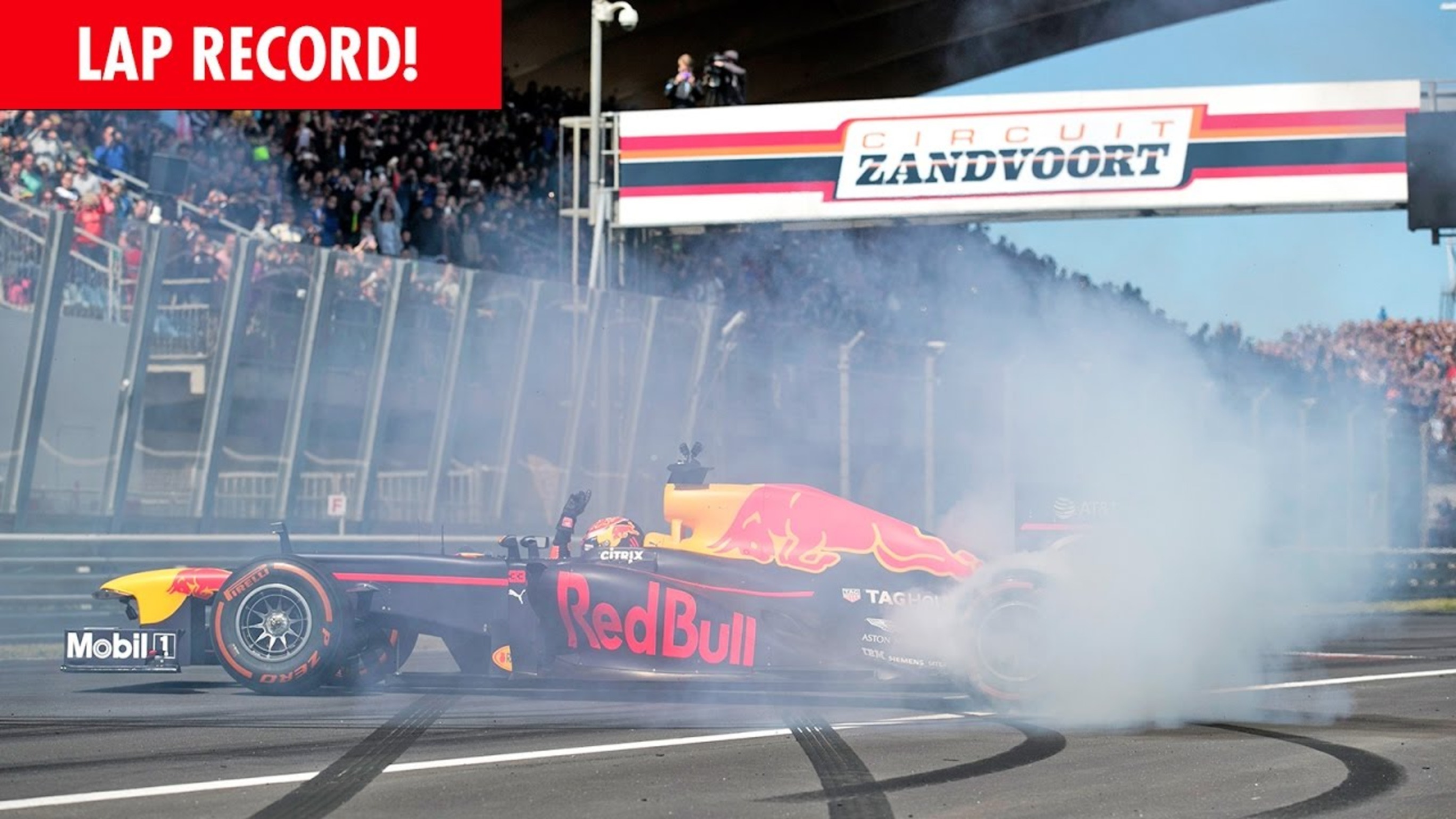
It sat unused by F1 for 36 years. Then Max Verstappen happened, and in 2021 the race came back specifically to capitalise on his rise. This year’s edition, held this weekend, will be its last for the foreseeable future.
Built for one driver, and it worked
Verstappen’s popularity in the Netherlands was the entire commercial case for bringing Zandvoort back onto the calendar. The track underwent a significant renovation to meet modern F1 standards, and when the race returned in 2021, the same year Verstappen won the first of his four consecutive world titles, it instantly became one of the most distinctive events on the schedule: grandstands turned entirely orange, a genuine party atmosphere built around a single national hero.
It worked better than almost anyone could have hoped. Verstappen won each of the first three editions after the race’s return, and Zandvoort quickly built a reputation as one of the loudest, most passionate crowds in the sport.
A financial problem hiding behind full grandstands
Despite selling out every year, the race never quite worked as a business. Zandvoort is privately owned and operated, meaning organisers had to weigh the cost of staging a Grand Prix against everything else the circuit does, without the kind of government backing some other races receive. In December 2024, organisers announced they’d signed only a one-year extension, confirming that 2026 would be Zandvoort’s last Formula 1 race for the foreseeable future.
Circuit director Robert van Overdijk said the decision came from wanting to end the race’s run while it was still adored by fans, rather than let it fade out. F1 president Stefano Domenicali thanked the track for raising the bar for European Grands Prix in terms of atmosphere and entertainment.
A track with a much longer history than its recent run suggests
Zandvoort’s relationship with Formula 1 goes back further than the Verstappen era by decades. The circuit hosted its first World Championship race in 1952, and legends of the sport won there repeatedly through the 1960s and 1970s: Jim Clark took four victories at the track, and James Hunt claimed his first-ever Grand Prix win there in 1975.
The venue dropped off the calendar after 1985, not because of any single dramatic event, but simply because it stopped being able to compete financially with newer, larger circuits being built elsewhere in Europe, the same basic problem that’s ending its current run more than four decades later.
An ending that arrives at an awkward moment
There’s an extra layer of poignancy to this year’s farewell. When Zandvoort returned in 2021, Verstappen was on his way to becoming the dominant force in the sport. Heading into this weekend’s race, he sits sixth in the championship, well off the pace being set by Mercedes, in a season that hasn’t gone the way earlier Zandvoort years did.
The track that only exists on F1’s modern calendar because of Verstappen’s success is bowing out just as that success has become less certain than it once looked, a farewell built around a driver whose form has cooled since the circuit’s comeback tour began.


