





 0
Asian Games MMA Has An Olympic Problem: Who Actually Gets To Define The Sport?
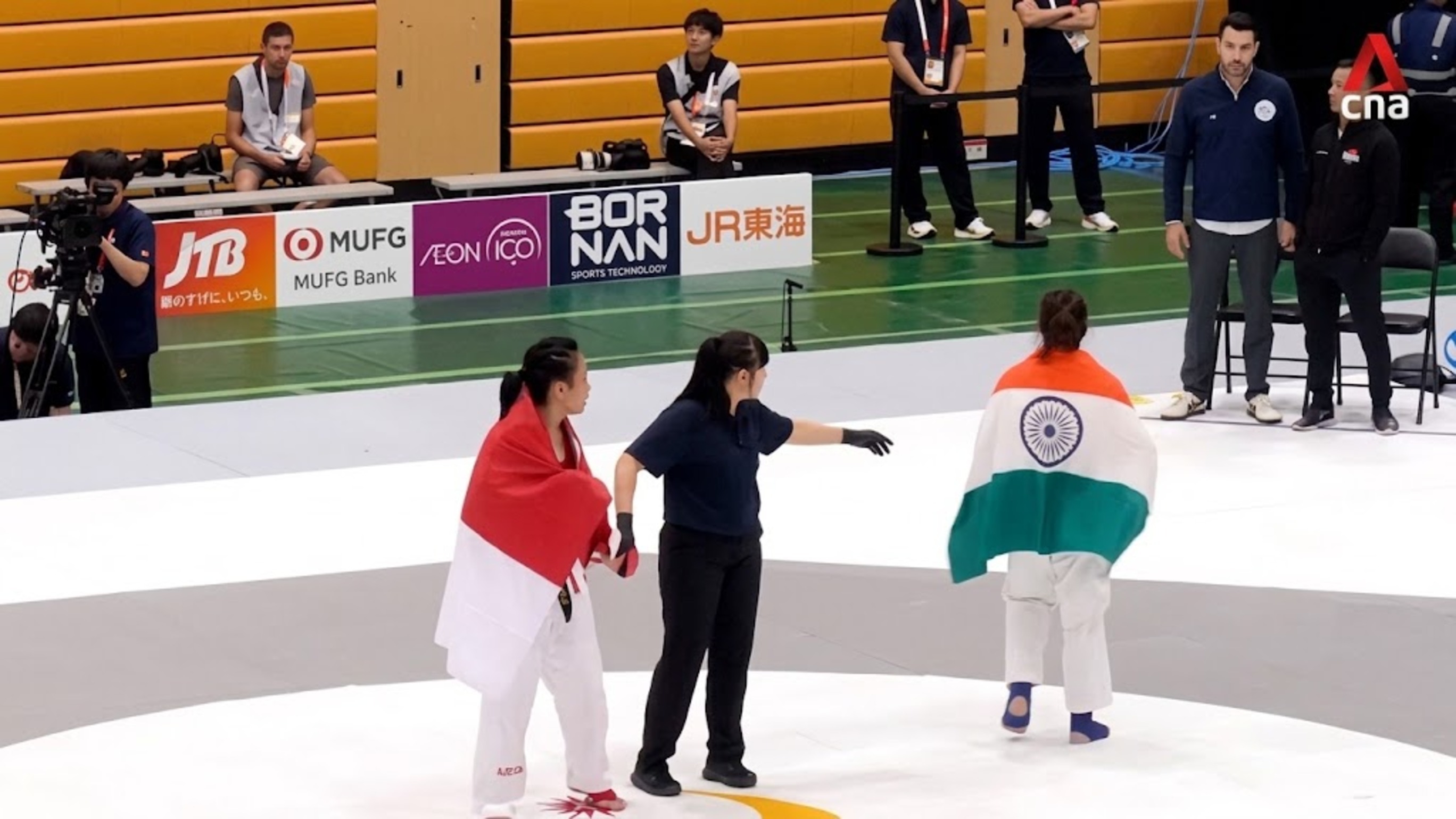
MMA's Asian Games debut exposed something more complicated than a new ruleset. It exposed a governance fight, with multiple bodies seeking international recognition for the sport, each with its own claim to being the version that should represent MMA at this level going forward.
A new sport at a major Games usually means one clear federation. This one doesn't.
Most sports arriving at a multi-sport Games have already settled the question of who runs them internationally. Boxing has its recognized bodies. Wrestling has its federation. MMA's Asian Games arrival came with no such settled answer, which is a genuinely unusual position for a sport making its debut at this level of organized competition.
That's not a small administrative detail. It shapes everything downstream, from which ruleset gets used, to which athletes are even eligible to compete, to which results actually count toward future Olympic recognition efforts down the line.
Competing rulesets are a symptom, not the disease
The modified ruleset used at these Games, shin guards, restricted elbows, limited ground knees, exists partly because there isn't one universally accepted governing body dictating a single standard for the sport. Different organizations pushing for recognition naturally produce different visions of what a sanctioned, Olympic-track version of MMA should even look like.
Until that's resolved, every version of MMA that shows up at a major Games is really a proposal as much as a competition, each one implicitly arguing that its rules are the ones the sport should standardize around for the long term.
Fighters are caught in the middle of an administrative fight they didn't start
The athletes who competed at these Games had no say in which federation eventually wins this recognition battle, yet their results, careers, and eligibility for future events all hinge on how it plays out. A fighter who built their reputation under one federation's rules could find that reputation carries little weight if a rival body ends up winning IOC recognition instead. That's a strange position for competitors to be in, performing at their best under a ruleset whose long-term legitimacy isn't even settled yet.
Why this fight matters more than any medal awarded here
Athletes competed for real medals at these Games, and those results matter to them personally. But the bigger stakes belong to the federations, not the fighters. Whichever body's version of the sport gets validated through events like this one gains real leverage in the actual fight that matters: convincing the IOC that MMA deserves a permanent home in the Olympic program.
That's a fight measured in years and committee meetings, not medal counts. The Asian Games debut is one data point in a much longer campaign that will likely outlast several Olympic cycles before it's actually resolved.
If two competing federations can't agree on a single ruleset even now, does MMA have any realistic path to Olympic inclusion before that governance fight gets resolved first?

Sarajevo Back at the Heart of Regional MMA: SFC Returns with Explosive Matchups

How Buzzer Karma Works: Levels, Penalties, and What They Mean

Inside Buzzer's Latest Update (and Why It Changes How You Use the App)

Buzzer Introduces Ads Console: A New Era of Advertising Across the Entire Buzzer Ecosystem

Buzzer Is Evolving: From Quantity to Quality

Buzzer Now Has a Games Hub, and Tournaments Are Coming

Al Ittihad SC's Matches Are Now Live on Buzzer

Palm City vs Gulf United Ends in 1–1 Draw in UAE Second Division League Clash

"We Don't Take the Guy With the Camera." He Built His Own Club Anyway. Now He's Coming to Find You.

Building the Infrastructure Sports Tech Forgot


