


 0
0From Bath City on Loan to Breaking a 25-Year Scoring Record
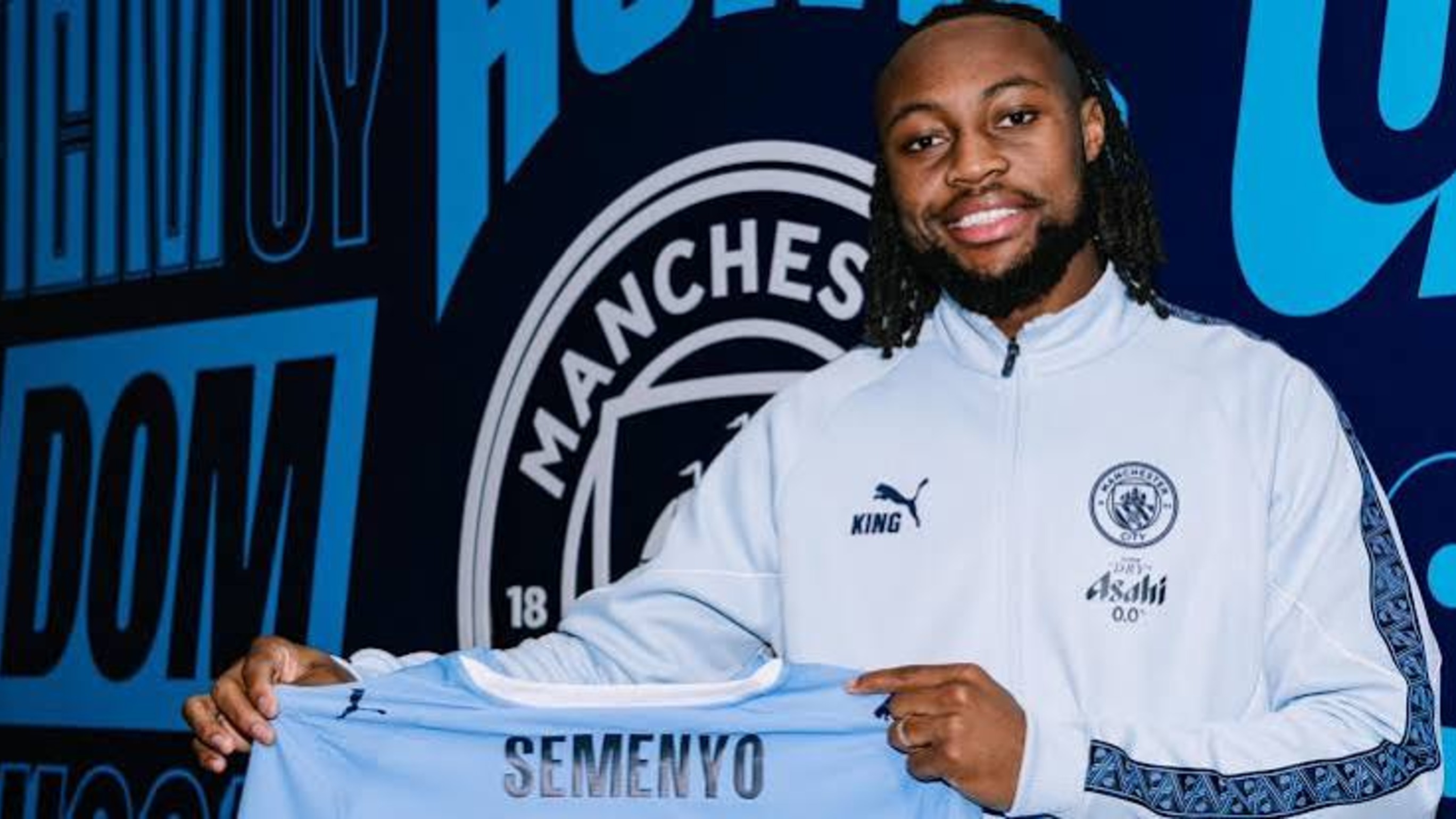
Antoine Semenyo spent his early twenties on loan at non-league Bath City. He's now a Manchester City player who broke a scoring record dating back to the mid-1990s. That arc from obscurity to record-breaker deserves more attention than it gets.
Years in the Loan System, Not the Fast Lane
Semenyo came through Bristol City's academy before senior football ever arrived, having already been rejected as a teenager by Arsenal, Tottenham, Crystal Palace and Fulham. He was loaned to Bath City in the National League South in January 2018, scoring six goals in fourteen games, before spells at Newport County in League Two and later Sunderland's first team on loan. This wasn't the manufactured wonderkid pipeline clubs love promoting these days. It was years spent proving himself in England's lower divisions, largely unnoticed, before finally establishing himself back at Bristol City. Patience, not hype, defined the early portion of his career entirely.
The Bournemouth Years That Changed Everything
Bournemouth signed him from Bristol City for a fee of around £10.3m in January 2023. He committed to a new long-term contract in 2025, extending his stay to 2030, despite genuine Tottenham and Liverpool interest circling. That loyalty paid off handsomely: his 2025-26 season produced 17 Premier League goals, comfortably his most prolific campaign yet, as Bournemouth pushed toward one of their best-ever Premier League finishes under Andoni Iraola. Semenyo had gone from loan journeyman to the club's most important attacking player.
Breaking a Record That Stood for Three Decades
His 2025-26 season pushed him past a genuinely significant historical marker. Semenyo surpassed Tony Yeboah's single-season scoring record for a Ghanaian player in the Premier League, a mark of 12 goals that Yeboah first set during his prolific 1994-95 season at Leeds United, and which had since only been matched, never beaten, by Andre Ayew at Swansea. Semenyo eventually finished the campaign with 17. He's also since overtaken Yeboah on the all-time Ghanaian scorer list, having featured in far more Premier League matches than Yeboah's 47 appearances across three seasons. Breaking it connected Semenyo directly to a lineage of Ghanaian forwards before him, and he's spoken since about idolising Yeboah growing up. It wasn't just personal success — it carried real symbolic weight domestically too.
Backing It Up on Football's Biggest Stage
Club form alone doesn't always survive contact with international tournament pressure though. Semenyo started and played the full 90 minutes in Ghana's opening World Cup win over Panama, earning player of the match honours, and featured throughout the group stage as Ghana drew 0-0 with England before advancing. He did pick up an ankle knock during the tournament that required a fitness update ahead of the Round of 32 tie against Colombia, a reminder that even a strong summer campaign wasn't entirely smooth. Consistent, tournament-long involvement despite that setback suggested his club form wasn't simply a flash. Scouts and rival clubs were watching closely throughout that entire summer stretch.
The Move to Manchester City
City completed his signing for £62.5m guaranteed, paid across 24 monthly instalments, plus a further £1.5m in performance-related add-ons, in January 2026. That fee represents comfortably the biggest sale in Bournemouth's entire club history. Manchester United, Liverpool, Chelsea, and Tottenham had all expressed genuine interest beforehand. City moved decisively and secured his signature ahead of every domestic rival, agreeing a deal that undercut his reported £65m release clause slightly once various levies were factored in. He went on to win both the EFL Cup and FA Cup in his first half-season at the club, scoring the only goal in the latter final. Bristol City, his original academy club, also retain a 20% sell-on clause, meaning they too benefited from the size of the fee.
The Verdict
Semenyo's path ran through loans, patience, and gradual, unglamorous improvement over years. That's the opposite of football's usual manufactured-wonderkid narrative that dominates transfer coverage. His story arguably offers a more honest, instructive account of career development generally. Not every elite player arrives fully formed at nineteen with fanfare. Sometimes the longer, harder road, one that runs through the National League South rather than a Category One academy, produces the more genuinely compelling outcome instead.
Malick Fofana completes dramatic £31m Sunderland transfer after two-team, two-jet saga

Emil Riis finally completes deadline day transfer to solve Leicester City's biggest problem

Xabi Alonso off to perfect start as Chelsea survive Brighton thriller

Burnley drop to bottom of the Championship after painful late collapse

Wrexham suffer heaviest defeat in over two decades in West Ham thrashing

Leicester City: Sold for £140m, or Saved by Loyalty?

Did UEFA's Fine Force Villa to Sell Their Best Player?

Richard Hughes Is Rebuilding a Squad He Won't Stick Around to See Succeed

Russell Martin faces first major test as Leicester City’s rocky League One start continues

Ben Wiles reflects on whirlwind rise as Milton Keynes Dons prepare for life back in League One


