




 2
2
The Fastest Man on Earth Lost His Title Three Days Later
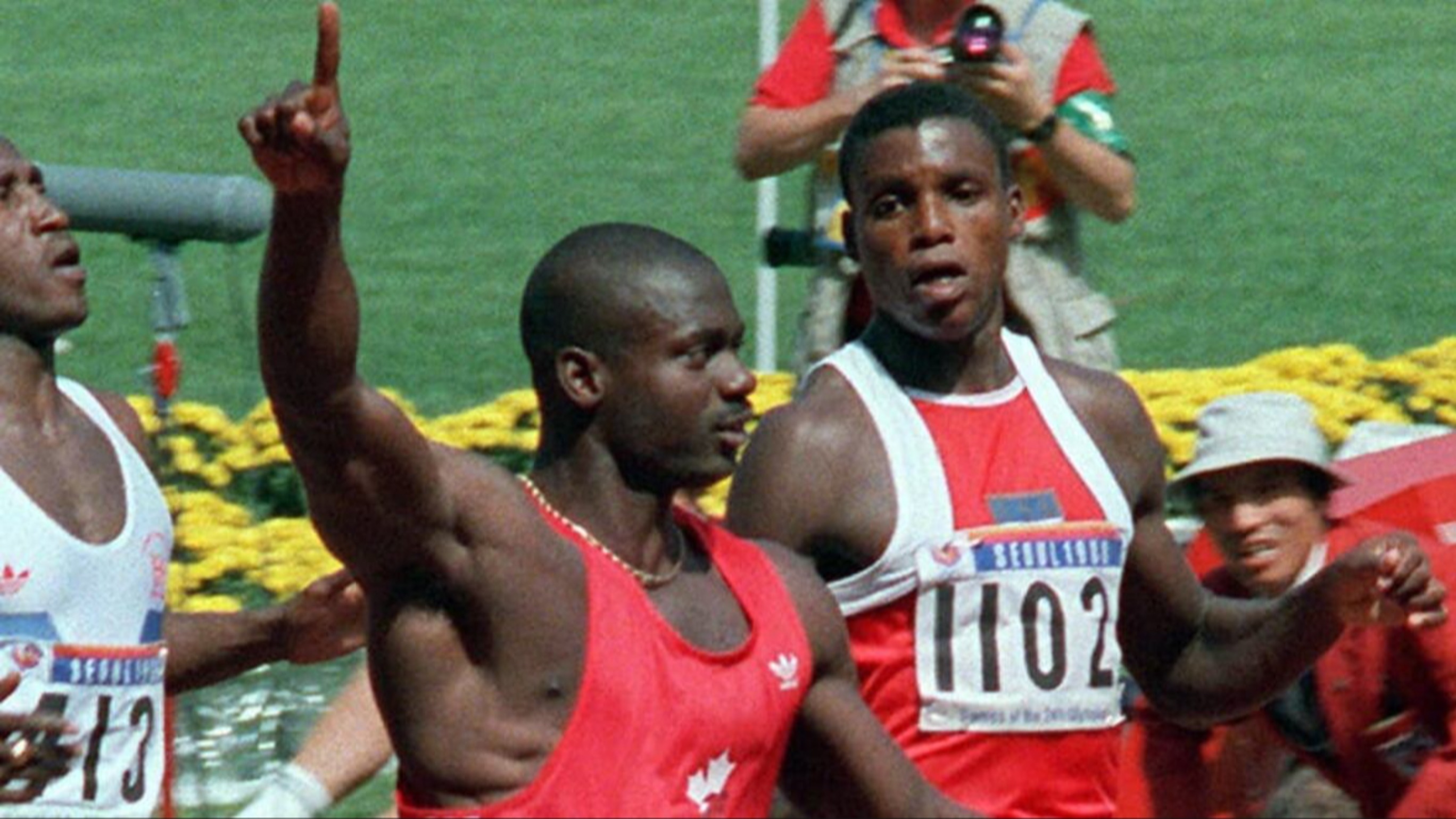
At the 1988 Seoul Olympics, Canadian sprinter Ben Johnson ran the 100 meters in 9.79 seconds, a new world record, beating his fiercest rival Carl Lewis in a race billed as the defining showdown of the entire Games.
Three days later, Johnson was stripped of his gold medal after testing positive for an anabolic steroid, in a doping scandal that shook the sport to its core.
Millions around the world watched not knowing the result would become one of the most controversial moments in Olympic history.
A race built up as the ultimate showdown
Johnson and Lewis had a genuine, well-known rivalry heading into Seoul, having traded wins and world records against each other in the years before the Olympics. Their 100 meter final was billed as a defining showdown between two of the greatest sprinters of their generation, and Johnson’s explosive, dominant win looked like a genuinely historic athletic achievement in the moment it happened.
That perception collapsed almost immediately. Within days, Johnson tested positive for stanozolol, an anabolic steroid, and the IOC stripped him of both his gold medal and his world record.
Carl Lewis was elevated to gold as a result, though Lewis himself later faced his own scrutiny over previous positive tests for banned stimulants that had been quietly excused at the time under different rules.
A scandal that changed how doping got treated
The Ben Johnson case became a genuinely huge sports story of its era, partly because of how quickly and dramatically it unfolded, from historic world record to stripped medal within a matter of days, and partly because of how high-profile both athletes involved already were. It forced a much larger, more public conversation about doping in athletics than any previous case had managed to generate.
In the years following Johnson’s positive test, track and field significantly increased both the frequency and sophistication of its drug testing programs, driven partly by the sheer scale of public attention the scandal generated.
Johnson himself later admitted to using steroids for years before the positive test, and further failed tests later in his career led to a lifetime ban from the sport.
A record that still carries an asterisk
Johnson’s 9.79 second run in Seoul remains a genuinely infamous performance in Olympic history, a historic sprint time that’s remembered today almost entirely for how it ended rather than for the raw athletic achievement itself. It’s frequently cited as the moment doping in elite sport moved from a quiet, mostly hidden concern into a major, unavoidable public conversation that sports have had to keep confronting ever since.
More than three decades later, Johnson’s case remains a reference point whenever doping controversies resurface in athletics, a reminder of how quickly a legendary sporting moment can unravel once the full truth behind it becomes public.
Does a scandal this dramatic and public actually help a sport clean itself up over time, or does it mostly just damage public trust without meaningfully changing how widespread doping actually is?


