





 0
Kabaddi Has the Crowds. The Asian Games Show Why It Matters
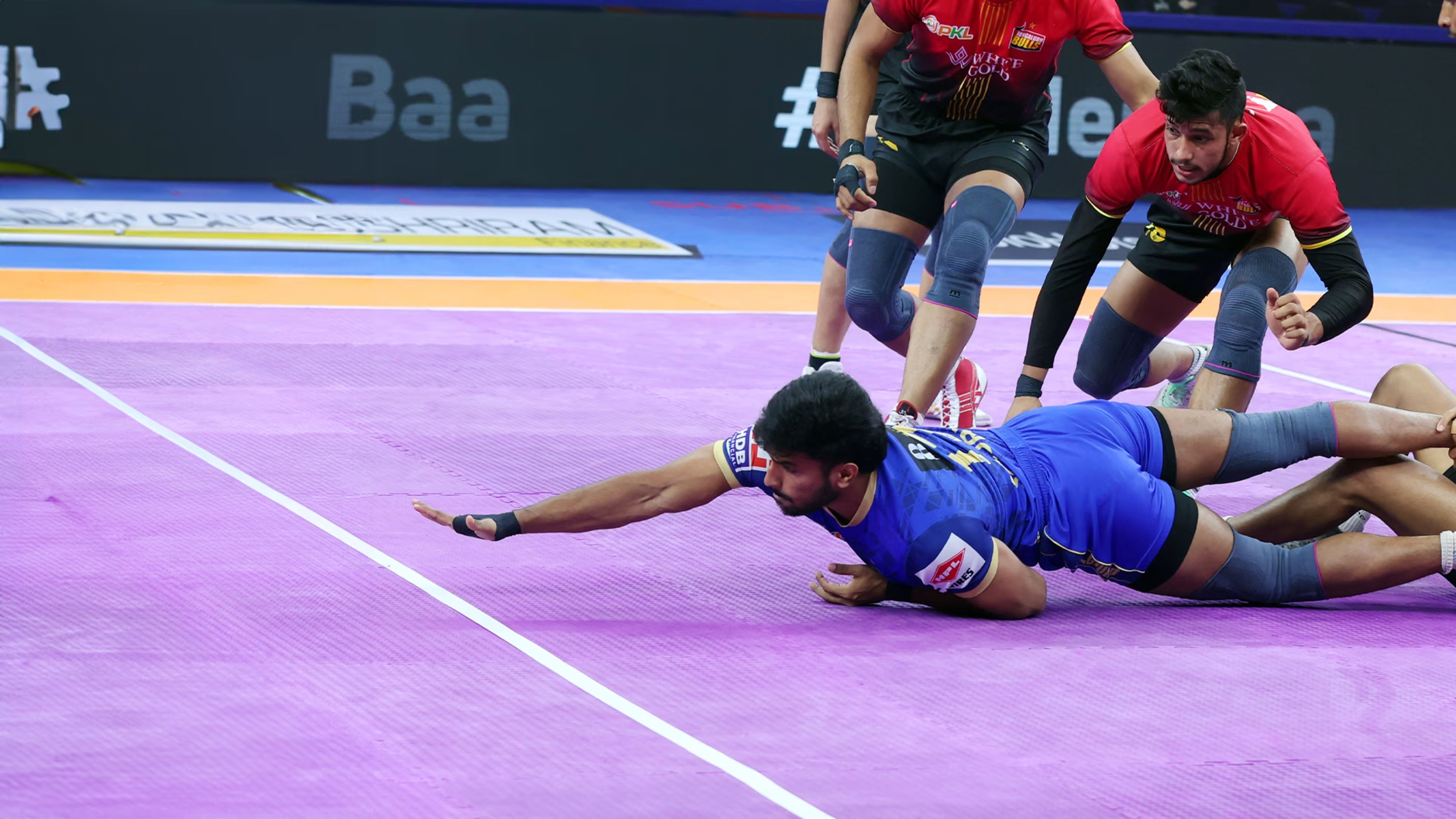
Kabaddi has no Olympic recognition whatsoever. At the Asian Games, it's one of the most fiercely contested and closely watched disciplines on the entire program, carrying genuine cultural weight across South Asia that most Olympic sports would envy. That gap, between global recognition and regional significance, is exactly what the Asian Games exists to bridge.
Wushu, MMA, and sepak takraw sit in similar territory: disciplines with deep, committed followings across specific parts of Asia that the Olympic movement has never fully embraced, if it's engaged with them at all. The Asian Games gives each of them a major international stage anyway, complete with genuine medal ceremonies, national broadcast coverage, and the kind of institutional recognition that shapes funding and development back home.
Why Olympic inclusion was never the real measure
The Olympic program is, by design, a curated list shaped by decades of Eurocentric sporting history, broadcast economics, and a genuinely limited number of medal event slots that every sport has to compete for. Plenty of disciplines with enormous, passionate regional followings have simply never fit that specific selection process, not because they lack competitive legitimacy, but because the Olympic program was never built around Asian sporting culture as its primary reference point.
Kabaddi's absence from the Olympics doesn't reflect a lack of skill, tradition, or fan investment. It reflects a selection system built around a different set of historical priorities entirely.
What athletes in these sports actually get from the Games
For a kabaddi player, a wushu competitor, or an MMA athlete representing their country, the Asian Games isn't a consolation prize for missing the Olympics. It's frequently the single biggest platform their sport offers anywhere in the world, the event that determines national recognition, funding allocation, and legacy within their discipline far more directly than any hypothetical future Olympic bid ever could.
That distinction matters enormously for how these athletes should actually be covered and understood. Treating their sport as perpetually waiting for Olympic validation misses that the validation many of them actually care about is happening right now, at an event built specifically to accommodate exactly this kind of sport.
What this says about who decides global visibility
Global sporting visibility has never been a neutral, purely merit-based process. It's shaped by which institutions control broadcast rights, which sports built early relationships with Olympic organizers, and which regions had the most influence over the program as it developed over more than a century.
The Asian Games' willingness to platform sports the Olympic movement has largely ignored is a genuine corrective to that imbalance, even if it's a regional one rather than a global fix. Whether that corrective ever expands beyond Asia's own borders is a separate, much harder question.
Should sports like kabaddi and wushu keep building their own major stages independent of Olympic recognition entirely, or does real global legitimacy still ultimately run through an Olympic program that was never built with them in mind?

Sarajevo Back at the Heart of Regional MMA: SFC Returns with Explosive Matchups

How Buzzer Karma Works: Levels, Penalties, and What They Mean

Inside Buzzer's Latest Update (and Why It Changes How You Use the App)

Buzzer Introduces Ads Console: A New Era of Advertising Across the Entire Buzzer Ecosystem

Buzzer Is Evolving: From Quantity to Quality

Buzzer Now Has a Games Hub, and Tournaments Are Coming

Al Ittihad SC's Matches Are Now Live on Buzzer

Palm City vs Gulf United Ends in 1–1 Draw in UAE Second Division League Clash

"We Don't Take the Guy With the Camera." He Built His Own Club Anyway. Now He's Coming to Find You.

Building the Infrastructure Sports Tech Forgot


 1


