




 3
Game 3 narrative — Spurs 115, Knicks 111 (2026 NBA Finals)
The night the Garden expected a coronation
Madison Square Garden did not feel like a building waiting for a basketball game. It felt like a city waiting for a memory. New York had not hosted an NBA Finals game in a generation, and by the time the lights dimmed and the introductions began, the crowd had convinced itself it was about to witness the next step toward a championship. The Knicks were up 2–0 in the series. They had stolen Game 1 in San Antonio, survived Game 2 by a point, and brought the Finals back to Manhattan with momentum, confidence, and history on their side.
San Antonio arrived with a different feeling. The Spurs did not need inspiration as much as they needed proof. Through two games, they had played stretches of excellent basketball and still trailed in the series. The conversation around them had shifted from “Can they win the Finals?” to “Can they avoid going down 0–3?” That is the kind of question that tightens shoulders, shortens rotations, and exposes every mistake. Yet the Spurs walked into the Garden looking less like a desperate team than a team that believed the series had been closer than the standings said.
When the ball went up, the arena erupted the way only the Garden can erupt—part celebration, part challenge, part demand. The Knicks fed off it immediately.
Jalen Brunson came out hunting space. Not necessarily shots at first—space. He probed the elbows, dragged defenders into screens, and forced San Antonio to declare its coverage. Every possession seemed designed to make the Spurs choose between helping early or trusting a single defender on an island. OG Anunoby ran the wings hard, Karl-Anthony Towns occupied the interior, and the Knicks played with the rhythm of a team that had spent two games learning where the cracks were.
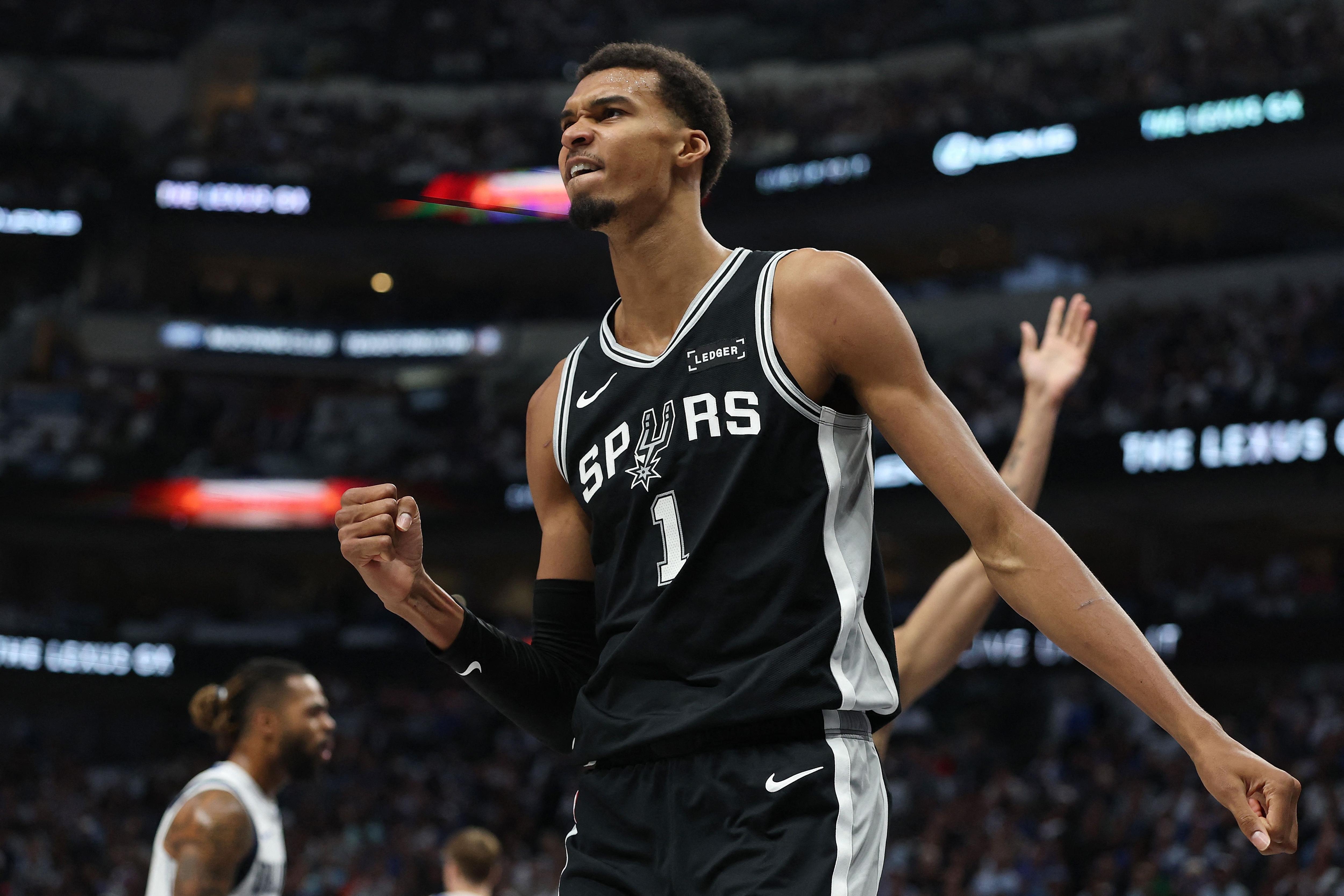
The Spurs answered through Victor Wembanyama, but the answer was not immediate dominance. It was patience. He caught the ball above the break, surveyed the floor, and used his passing as much as his scoring to keep New York from loading up. The first few possessions told the story of the night: whenever the Knicks surged, Wembanyama found a way to prevent the game from tilting completely. A high-low feed here, a kick-out there, a soft finish over length, then a recovery block that turned a sure layup into a scramble.
Still, the quarter belonged emotionally to New York. The Garden roared at every Brunson pull-up, every Anunoby corner three, every defensive stop that sent the Spurs retreating. The Knicks built an early edge, and the building began to sound less hopeful than convinced. For a few minutes, the game looked exactly like the crowd expected it to look.
Second quarter — the game stops being comfortable
Playoff games often announce their turning points long before the scoreboard does. Early in the second quarter, San Antonio’s bench stopped the bleeding. Stephon Castle attacked downhill instead of settling. Julian Champagnie moved without the ball instead of waiting for it. De’Aaron Fox pushed pace after misses, forcing New York’s defense to organize while backpedaling. The Spurs stopped trying to win the game in one possession and started winning small races: first to the loose ball, first into transition, first to the paint.
New York briefly regained control. A Brunson hesitation created a lane. Anunoby hit another jumper. The Knicks took the lead after trailing for a stretch, and the Garden responded as if the wobble had passed. But San Antonio did not panic. Wembanyama returned, and the floor changed shape again. His presence alone pulled a second defender toward the lane, and the Spurs began generating cleaner looks on the perimeter.
By halftime, the scoreboard still offered the Knicks comfort. The series score, the home crowd, the star guard scoring in bunches—none of that had disappeared. What had disappeared was the sense that San Antonio was merely surviving. The Spurs had found their footing, and everyone in the building could feel it.
Third quarter — the Spurs take the game by the throat
Championship games often hinge on one stretch when a team’s identity becomes impossible to ignore. For San Antonio, it was the third quarter.
The Spurs came out of the locker room attacking before New York could set its defense. Fox got into the paint. Castle cut behind ball-watchers. Wembanyama caught the ball deeper, closer to the rim, where help arrived a half-second late instead of a full second early. The Knicks’ defenders were not getting blown by; they were getting moved. One screen a little higher, one seal a little deeper, one rotation a little slower.
Midway through the quarter, San Antonio reclaimed the lead, and the noise in the arena changed. It did not disappear. It sharpened. Knicks fans began reacting to possessions instead of anticipating them. Every Spurs bucket felt heavier because it kept surviving the crowd’s attempts to bury it.
June 08, 2026
Wembanyama was everywhere. He scored over contests, slipped passes to cutters, and erased mistakes at the rim. One possession summed up the quarter: New York appeared to have created a clean driving lane, the crowd rose expecting contact and free throws, and Wembanyama arrived from the weak side to alter the shot without fouling. The miss turned into a Spurs push the other way, and what could have been a Knicks momentum play became another San Antonio advantage.
The Knicks did not fold. Brunson answered with a deep pull-up. Anunoby attacked a closeout. The score tightened again late in the quarter, and by the final minute the game had become a possession-by-possession negotiation. New York tied it briefly, but the third had already accomplished something important: it convinced the Spurs they could control the game’s terms.
June 08, 2026
Fourth quarter — a heavyweight fight in a phone booth
The final period opened with both teams playing as if the margin were one possession even when it wasn’t. Every rebound was contested. Every switch was hunted. Every timeout felt like a chess move instead of a rest break.
Brunson carried the Knicks through the first half of the quarter. He snaked pick-and-rolls, drew help, and either finished through contact or found shooters just late enough to force the defense to commit. Anunoby stayed scorching efficient, punishing any defender who lost him for a heartbeat. For a few minutes, the Garden sounded ready to push the Knicks over the finish line.
June 08, 2026
Then came the stretch that changed the night. With about five and a half minutes left, Wembanyama was already at 30 points and playing with the calm of someone who no longer needed to prove he belonged on the stage. He caught at the nail, turned, and scored over a contest. Next trip, he drew help and created an open look. The Spurs were not just scoring; they were forcing New York to defend multiple actions in the same possession.
June 08, 2026
The Knicks still had the lead within reach inside the final minute. Brunson hit another big shot. The score tightened. The building stood for every possession. But San Antonio executed the last sequence better. Castle attacked decisively instead of dribbling the clock away. Fox got to his spot. Wembanyama occupied the defense even on possessions he did not finish. And when New York needed one more clean offensive trip, the Spurs forced difficult shots, contested passing lanes, and finished the game on an 11–2 run.
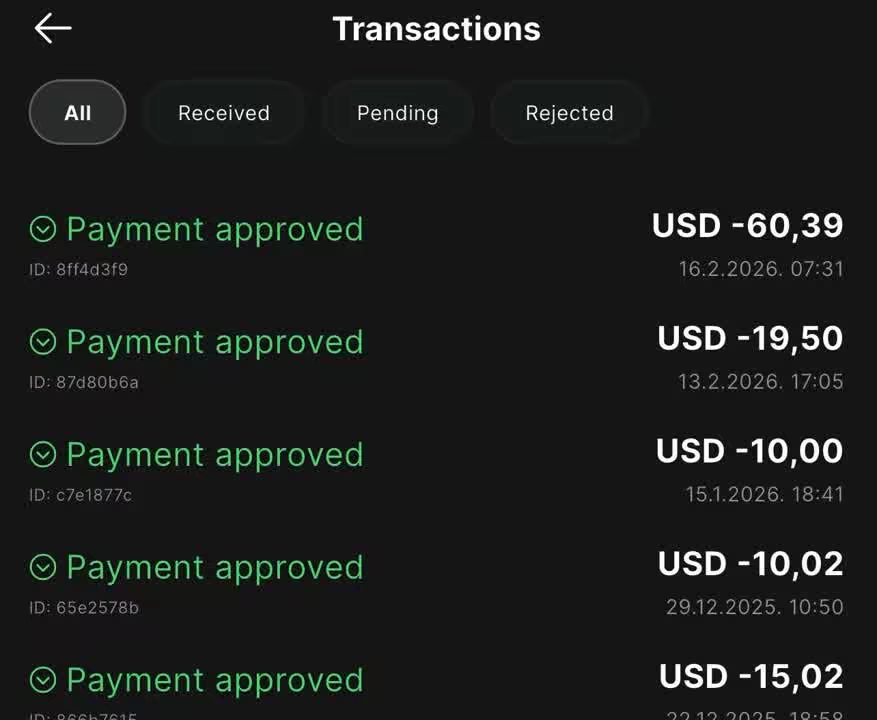
💸Turn Your Sports Passion into Paychecks: The Rise of the Buzzer Community💸💸⚽️🏀🏈⚾️🥎

HOW I STARTED ON BUZZER SPORTS COMMUNITY

BUZZER SPORTS COMMUNITY

🚀 The Ultimate Guide: How to Earn on the Buzzer Sports Community (2026 Edition)
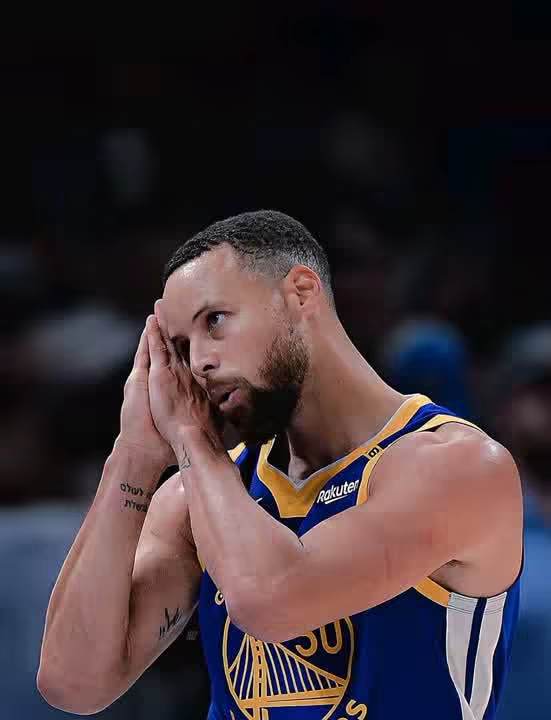
The Eternal Spark: How Stephen Curry is Navigating the 2026 Season
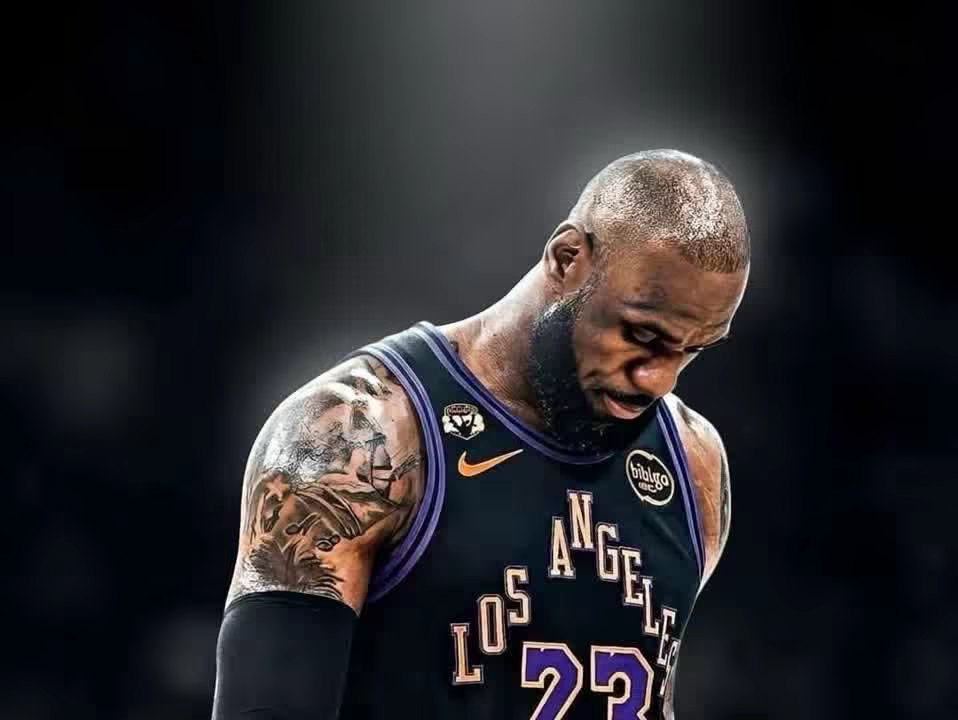
Year 23: Witnessing the Unbelievable Reality of LeBron James Right Now
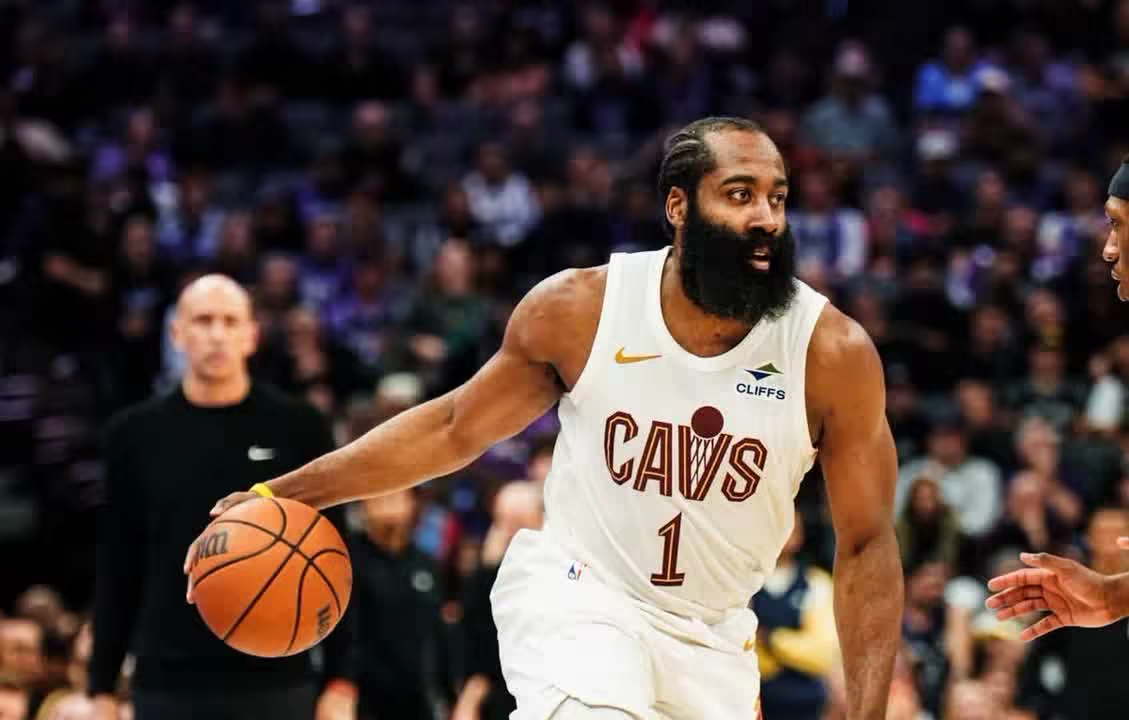
The Beard Lands in The Land: Inside James Harden’s Transformative Run with the Cleveland Cavaliers (April 2026 Update)
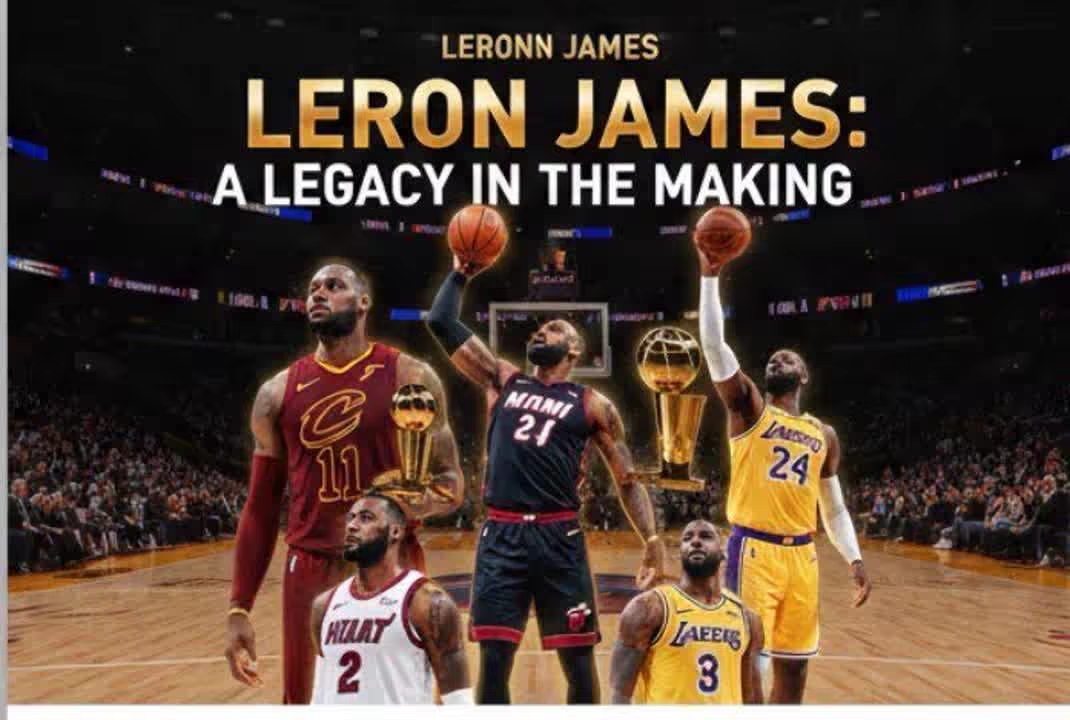
LeBron James: A Legacy in the Making 🗑️🏀👑
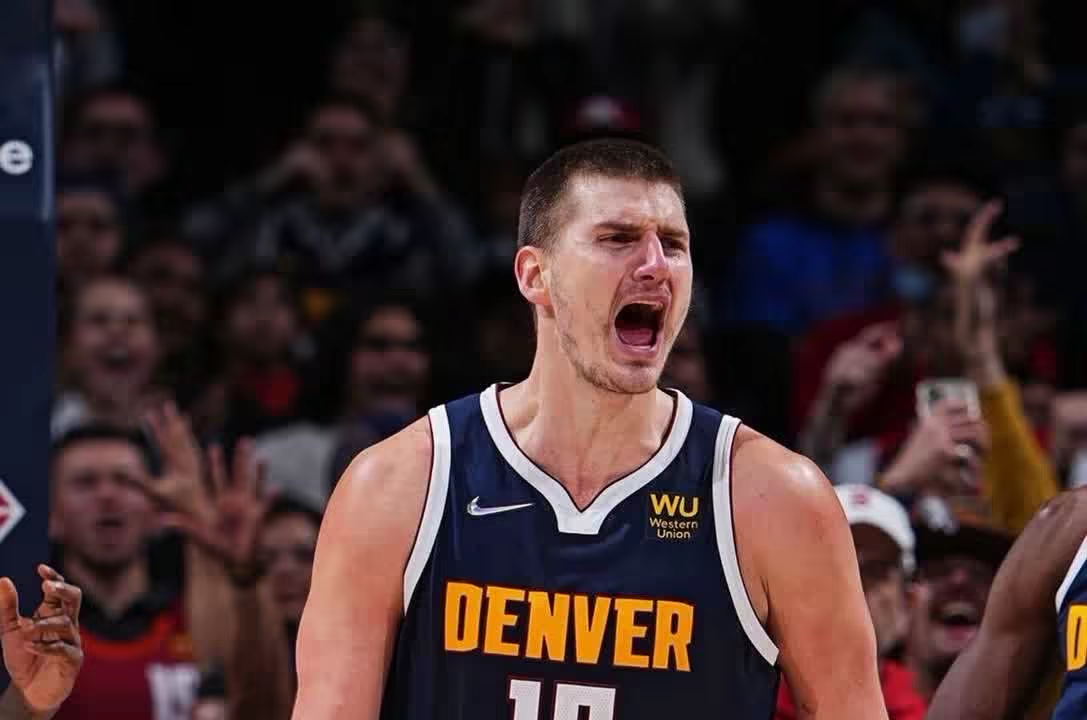
How Nikola Jokić Redefined the Modern NBA
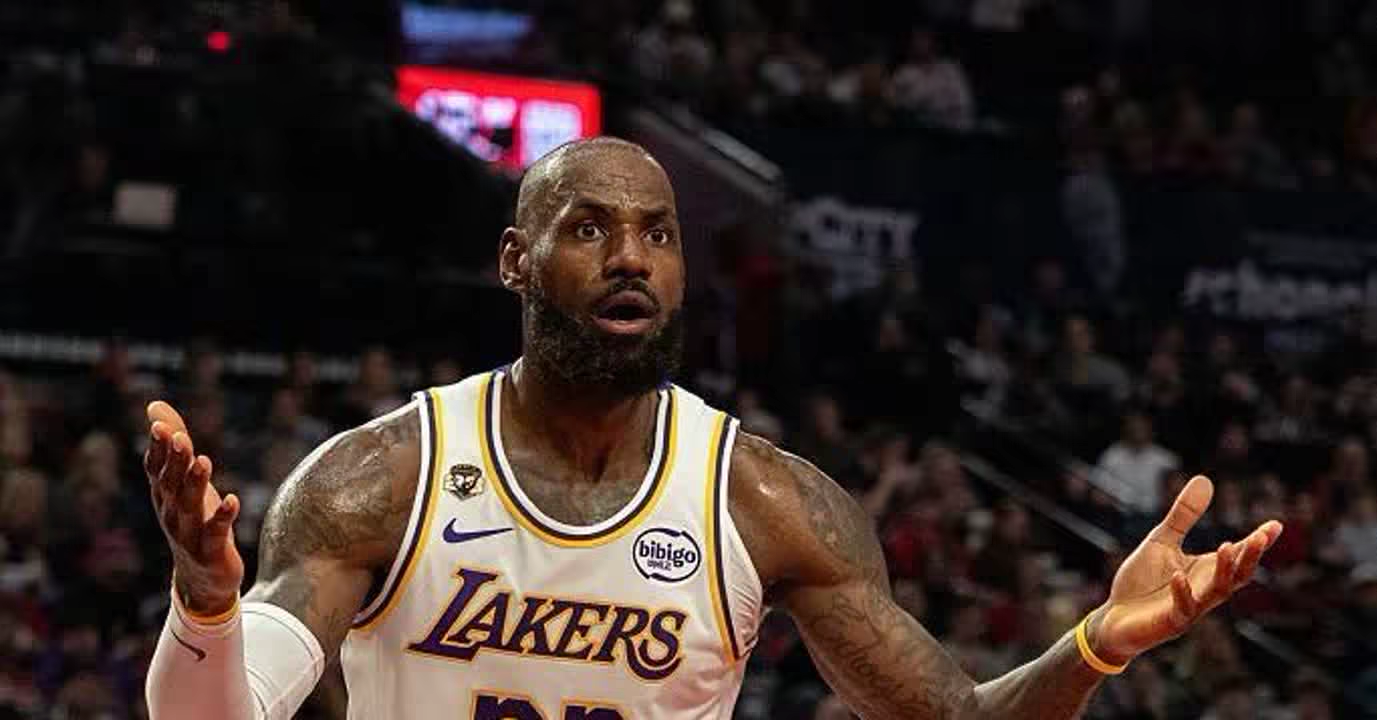
👑👑👑The Ageless King: Is 2026 the Final Chapter for LeBron James?🗑️🏀


 1


