





 0
India's Women's T20 Gold Wasn't Just a Medal. It's Proof of T20's Global Rise
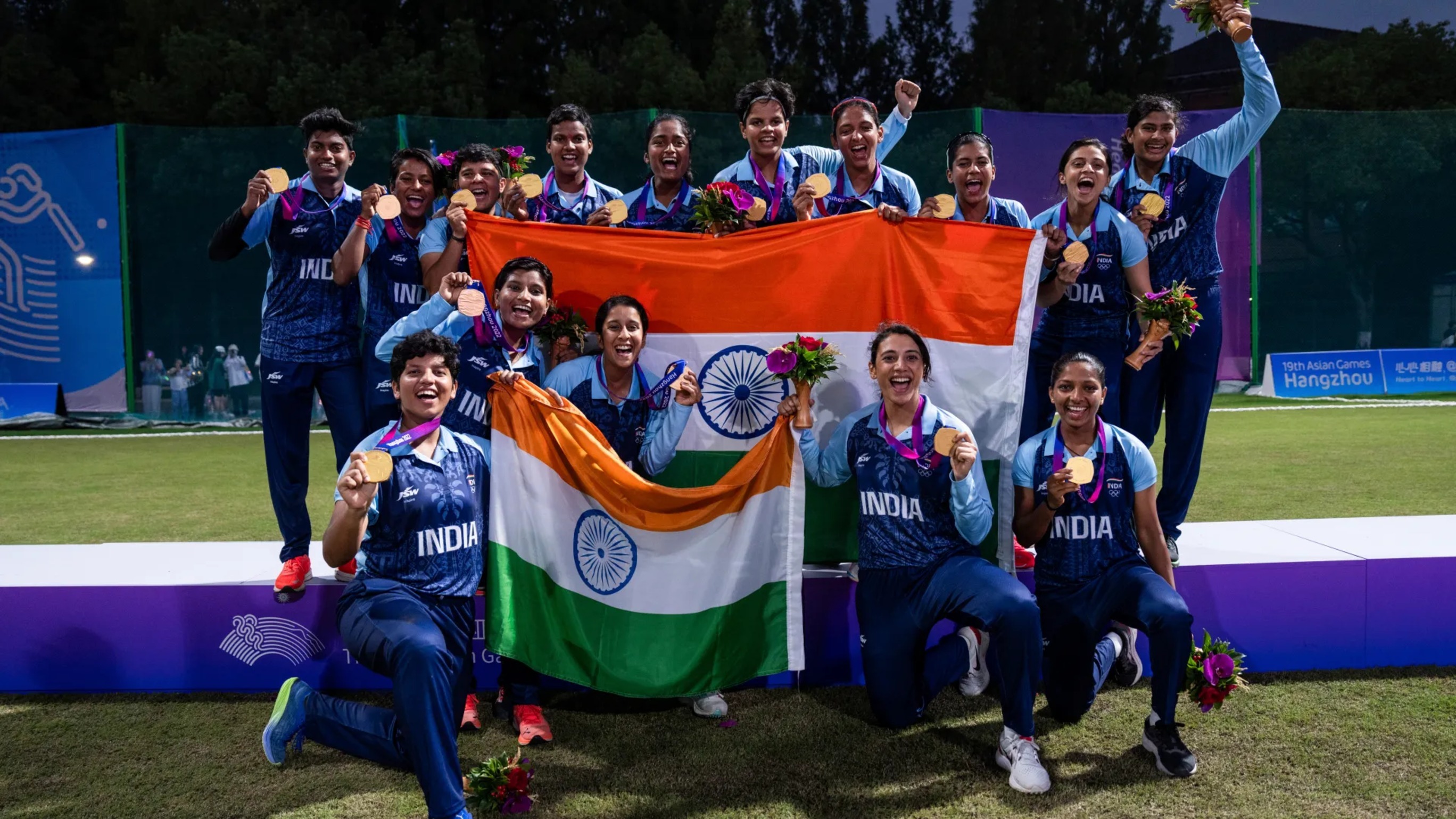
India's women beat Sri Lanka comfortably in the Asian Games cricket final, a rematch of the Women's Asia Cup final from just weeks earlier, with Smriti Mandhana and Shafali Verma putting on a 99-run opening stand that set the tone from the first over. The result itself wasn't a surprise. What it represents is the more interesting part.
Twenty years ago, T20 cricket didn't exist as an international format at all. It launched in 2005, became a fixture of men's cricket relatively quickly, and took considerably longer to reach the same level of investment on the women's side. Now it's not just an established women's format; it's an Asian Games medal event, contested by nations with wildly different levels of cricketing infrastructure, from India's fully professionalized domestic pathway to programs still building their first generation of contracted players.
A final that doubled as a rivalry renewal
That India and Sri Lanka met in back-to-back finals, first at the Asia Cup and then at the Asian Games within the space of weeks, says something about how quickly genuine competitive rivalries can now form in the format. T20's shorter duration and higher variance mean underdogs can compete with the sport's traditional powers in a way that's much harder to sustain across a full ODI or Test series. Sri Lanka reaching consecutive finals against India is exactly the kind of result the format was designed to make possible.
India's batting in the final leaned on exactly the qualities that have made T20 the format most responsible for globalizing the women's game: explosive strike rates, aggressive intent from the top of the order, and a top three capable of setting a total beyond the reach of most defenses in a single innings. Mandhana's 79 came at a strike rate over 175. Richa Ghosh's late cameo pushed India well past 200.
Why T20 has done more for global growth than any other format
The math is straightforward. A T20 international takes roughly three hours to complete, a fraction of the time and broadcast commitment required for an ODI or a Test. That makes it dramatically cheaper for smaller cricketing nations to schedule, easier for broadcasters to fit into a crowded sports calendar, and far more accessible to new fans who might never commit to a five-day match but will happily watch a three-hour one. Every one of those advantages compounds specifically in favor of the women's game, which has spent decades fighting for broadcast slots that men's cricket claimed first.
What a gold medal in this format actually signals
Cricket's inclusion at multi-sport events like the Asian Games, and its arrival at the Olympics in 2028, has happened almost entirely on the back of T20's short, TV-friendly format. India's gold medal here isn't just another trophy for an already dominant program. It's evidence that the format built to travel fastest is doing exactly that.
If T20 keeps expanding the women's game at this pace, how long before the format that started as cricket's newest experiment becomes the one that decides which countries get taken seriously in the sport at all?

Sarajevo Back at the Heart of Regional MMA: SFC Returns with Explosive Matchups

How Buzzer Karma Works: Levels, Penalties, and What They Mean

Inside Buzzer's Latest Update (and Why It Changes How You Use the App)

Buzzer Introduces Ads Console: A New Era of Advertising Across the Entire Buzzer Ecosystem

Buzzer Is Evolving: From Quantity to Quality

Buzzer Now Has a Games Hub, and Tournaments Are Coming

Polo Al Taco Expands Its Global Reach Through Weekly Livestreams on Buzzer Arena TV

Al Ittihad SC's Matches Are Now Live on Buzzer

Palm City vs Gulf United Ends in 1–1 Draw in UAE Second Division League Clash

"We Don't Take the Guy With the Camera." He Built His Own Club Anyway. Now He's Coming to Find You.


