





 1
Leicester City's Premier League Title Still Doesn't Make Sense, and That's the Whole Point
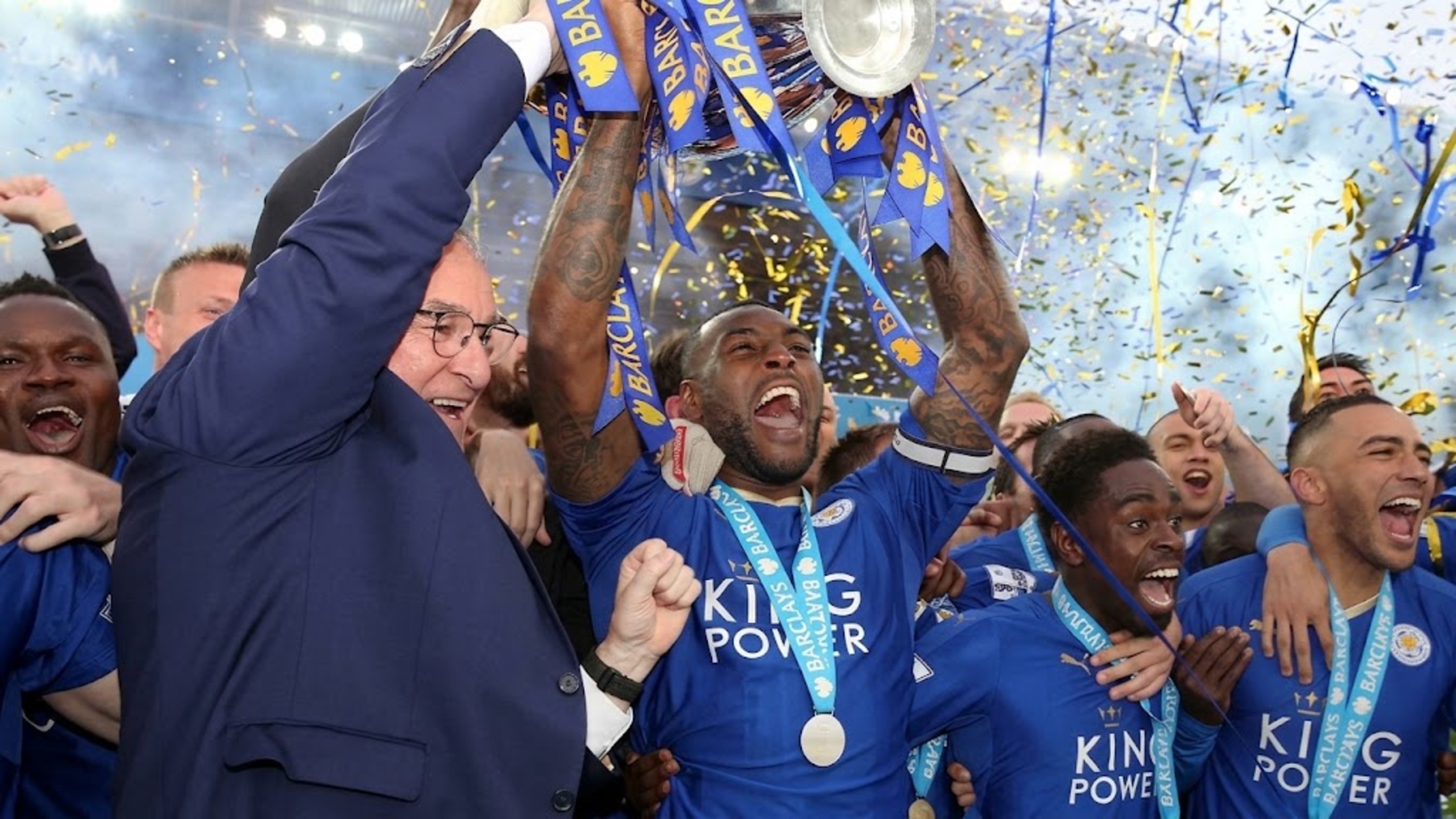
Leicester City were 5000-1 to win the Premier League at the start of the 2015-16 season. Bookmakers set that price to protect themselves, not as a joke. They'd finished the previous season fighting relegation, scraping survival on the final weekends.
Ten months later they were champions of England.
A squad nobody built for this
Jamie Vardy was playing non-league football five years earlier and working night shifts in a factory. Riyad Mahrez arrived from Ligue 2 for barely over a million pounds. N'Golo Kanté had never played in England before that season and was signed for a fraction of what midfielders of his eventual impact usually cost.
None of it read like a title-winning roster on paper. Claudio Ranieri, a manager best known at that point for getting sacked by Chelsea a decade earlier, somehow made it work anyway, building a team around pace, discipline, and a refusal to change a winning shape.
The rest of the league just didn't stop them
Part of the story is Leicester. Part of it is that the traditional big clubs had a genuinely bad year at the same time. Chelsea were defending champions and finished tenth. Manchester United and Arsenal both underperformed relative to their squads, and Manchester City were mid-transition under a new manager.
Leicester didn't need to be the best team in the league's history. They needed everyone above them to slip at once, and they did, week after week, in a way that still looks statistically strange looking back at it.
Leicester's title also makes more sense when you look at how they actually played. They weren't trying to dominate possession or imitate the biggest clubs in England. Instead, they were exceptionally good at doing something much simpler: winning the ball and attacking space before opponents could recover.
Vardy was devastating when there was room behind a defence. Mahrez could carry the ball and create something from seemingly nothing. Kanté covered enormous amounts of ground in midfield, helping Leicester recover possession and immediately turn defence into attack. The team rarely needed long spells of control if two or three quick passes could put Vardy into the space he wanted.
That mattered because Leicester were operating with a very clear identity. They defended in numbers, absorbed pressure and then attacked at speed. It wasn't glamorous, but it was incredibly difficult to deal with when executed properly.
Why it still gets brought up a decade later
Every August since, someone points to Leicester as proof that anything can happen in football. It's become the reference point for underdog stories across the sport generally, not just in England, cited constantly whenever a smaller club threatens an upset.
The thing is, it hasn't happened again. Not close. Which either means football has consolidated even further around the rich clubs since 2016, or Leicester really did need a once-in-a-generation alignment of luck, form, and a rival collapse to pull it off.
If a 5000-1 title has happened exactly once in the modern era and nothing has come within shouting distance of it since, was it proof the impossible is possible, or proof of just how rare that alignment actually is?

Sarajevo Back at the Heart of Regional MMA: SFC Returns with Explosive Matchups

How Buzzer Karma Works: Levels, Penalties, and What They Mean

Inside Buzzer's Latest Update (and Why It Changes How You Use the App)

Buzzer Introduces Ads Console: A New Era of Advertising Across the Entire Buzzer Ecosystem

Buzzer Is Evolving: From Quantity to Quality

Buzzer Now Has a Games Hub, and Tournaments Are Coming

Polo Al Taco Expands Its Global Reach Through Weekly Livestreams on Buzzer Arena TV

Al Ittihad SC's Matches Are Now Live on Buzzer

Palm City vs Gulf United Ends in 1–1 Draw in UAE Second Division League Clash

"We Don't Take the Guy With the Camera." He Built His Own Club Anyway. Now He's Coming to Find You.


 1


