




 0
0
Where an Olympic Medal Actually Comes From
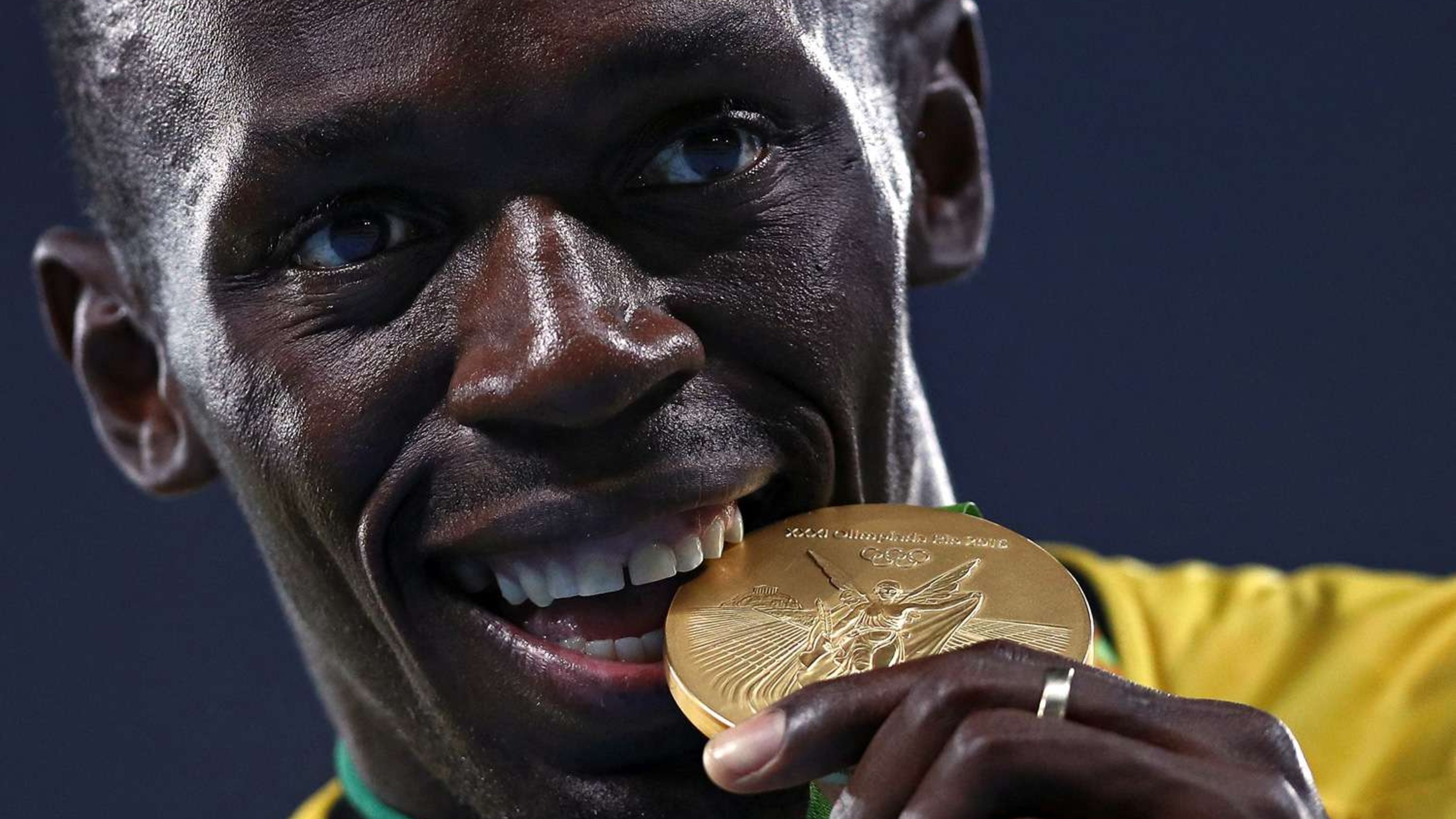
Every four years, an athlete bites a medal for the cameras, and almost nobody watching stops to ask what's actually in their mouth.
Not Actually Solid Gold
Olympic gold medals haven't been solid gold since 1912. Modern rules from the International Olympic Committee require gold medals to be made primarily of silver, with a coating of at least six grams of pure gold plated over the surface.
It's a detail that surprises casual fans every single Olympics, because the branding around "gold medal" implies something the metal itself hasn't been since before the First World War.
Tokyo's Medals Were Once Old Phones
Each host city designs its own medals from scratch, which is why the look changes completely every Games, and increasingly the material sourcing has become part of the story too.
Tokyo's 2020 Olympics, delayed into 2021, ran a public donation project collecting small electronic devices, old phones, cameras, laptops, from citizens across Japan specifically to extract the metal needed for the medals. Roughly five thousand medals were produced from recycled electronics rather than freshly mined ore, turning the podium into an unusually literal example of one person's junk drawer becoming someone else's proudest possession.
Rio Went Green Too
Rio's 2016 medals leaned into sustainability from a different angle, sourcing part of their materials without mercury, a shift meant to reduce the environmental damage tied to traditional gold mining.
Design elements on those medals also incorporated recycled material from other sources, including scrap metal donated from things like x-ray plates and mirrors.
Why Athletes Even Bite the Thing
The biting itself isn't some ancient athlete instinct either. It's largely a photography tradition. Wire photographers and event organizers started asking medalists to bite their medals for a distinctive shot, since a clenched jaw around a shiny disc photographs better than an athlete simply holding it up, and the pose became such a reliable request that plenty of athletes now do it automatically the moment a camera points their way, without anyone needing to ask.
Gold's softness means real biting could theoretically leave a mark, though at only a few grams of gold plating over silver, nobody's actually damaging Olympic hardware with their teeth on the podium.
Rio's medals became an unplanned case study in why manufacturing quality matters as much as the symbolism. Multiple athletes reported their medals rusting, chipping, or visibly discoloring within months of the Games, and Rio's organizing committee ended up replacing a number of them, a reminder that even the most symbolically loaded object in sport is still a physical product that can fail like any other.
Even the Ribbon Gets Reviewed
The ribbons matter more than fans assume too. Medal ceremony protocol, weight limits, and even the depth of the engraving are all specified by the host organizing committee well in advance and reviewed by the IOC, since medals from every Olympics end up displayed side by side in museums and private collections for the rest of history. A design that looks slightly off compared to the host country's national identity becomes a permanent, very public miscalculation.
None of this changes what the medal means to the athlete standing on the podium. But next time a swimmer or a sprinter clamps down on their medal for a photographer, there's a real chance part of what they're biting used to be somebody's old flip phone.


