





 0
England vs Spain Is the First Real Test of Life After the World Cup
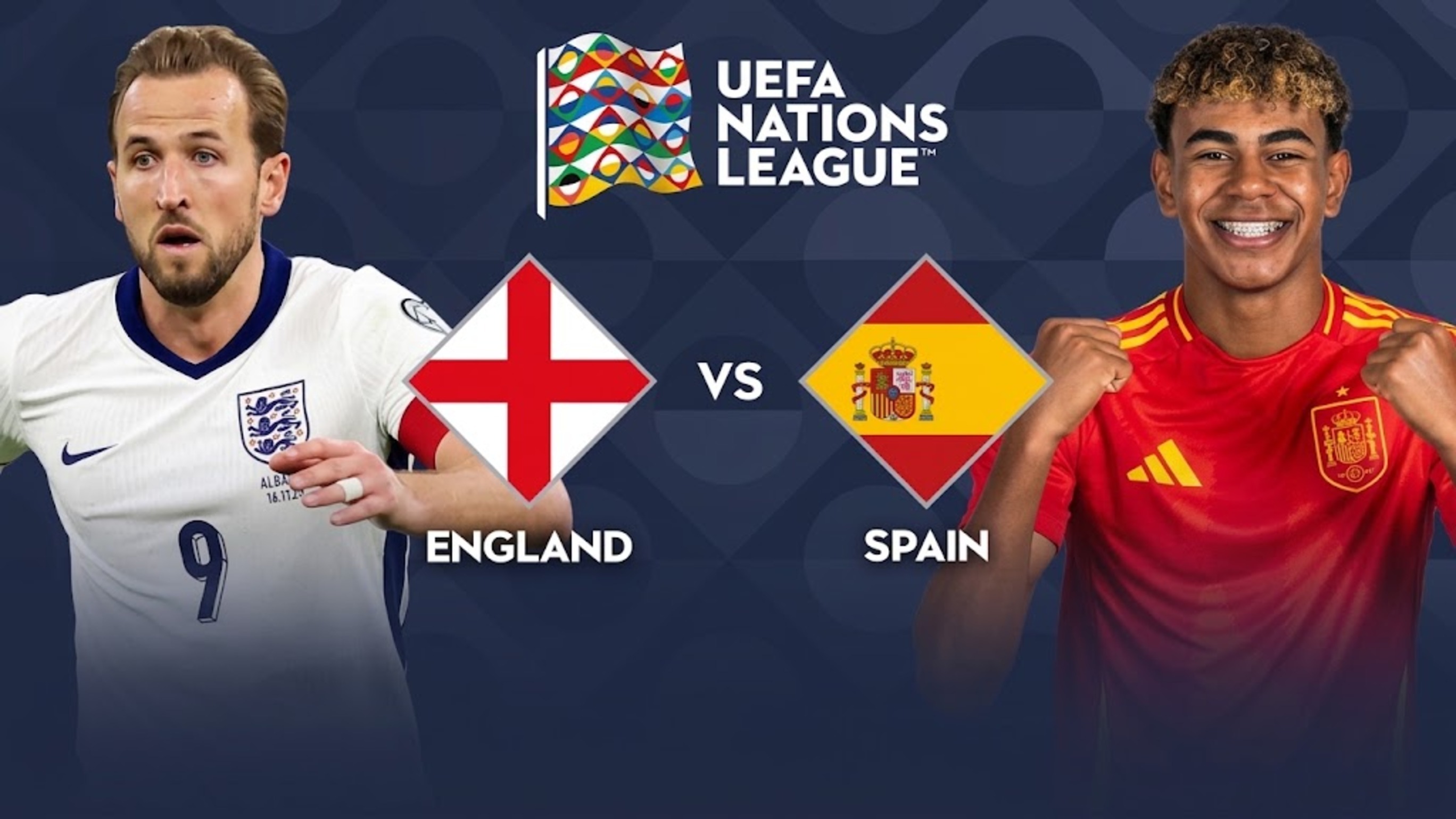
England host Spain at Wembley in their opening Nations League fixture, and on paper, it's just the first of four group games. In practice, it's the first competitive measure of two teams whose entire identities shifted over the summer.
It is also a rare early chance to see whether either side has actually evolved since the summer.
England arrive off the best World Cup finish in their history since 1966, beating France 6-4 in a thrilling bronze medal match in Miami after falling to Argentina in the semifinals. Thomas Tuchel has since extended his contract into 2028, tying his future to a squad that's just proven, for the first time in nearly six decades, it can go deep into a genuine World Cup and come out the other side with real hardware to show for it.
Two teams, two very different summers
Spain's summer went even better. Luis de la Fuente's side arrive at Wembley as the reigning World Cup champions, having already claimed the European title before that. That's back-to-back major tournaments for a Spanish generation that has, over the past several years, built arguably the most complete footballing identity in the world, a technical, possession-based style that has now delivered silverware at the very top level of the international game twice in a row.
That context changes what a group-stage Nations League match actually means. This isn't two mid-table nations feeling out a meaningless fixture. It's the team that just won the World Cup against the team that just secured its best finish there in generations, in the first competitive match either side has played since the tournament ended.
Why this specific rematch carries extra weight
England and Spain have history beyond this summer. Spain beat England in the Euro 2024 final, a 2-1 result at Wembley's near-mirror image, Berlin's Olympiastadion, that still stings for a fanbase that's watched this generation of English players come agonizingly close to major honors more than once. Facing Spain again, this time on home soil at Wembley, gives England's players and supporters a specific measure of revenge to chase, even in a competition that ultimately matters far less than the tournament where that defeat happened.
What a new cycle actually looks like
World Cup cycles reset everything. The emotional high of a bronze medal or a title doesn't automatically carry over into the next set of fixtures, and squads that peaked together for one tournament often find the next few months harder than anyone expects, whether through fatigue, changed motivation, or simply the difficulty of replicating peak form on demand. Nations League openers are exactly where that gap tends to show up first, long before anyone's thinking about the next major tournament.
Spain enters as world champions with every reason to expect the good times keep rolling. England enters with its best World Cup result in generations and a manager freshly committed through the next cycle. Does either team's summer form actually mean anything by kickoff, or does a fresh competition wipe the slate clean the moment the whistle blows?

Sarajevo Back at the Heart of Regional MMA: SFC Returns with Explosive Matchups

How Buzzer Karma Works: Levels, Penalties, and What They Mean

Inside Buzzer's Latest Update (and Why It Changes How You Use the App)

Buzzer Introduces Ads Console: A New Era of Advertising Across the Entire Buzzer Ecosystem

Buzzer Is Evolving: From Quantity to Quality

Buzzer Now Has a Games Hub, and Tournaments Are Coming

Polo Al Taco Expands Its Global Reach Through Weekly Livestreams on Buzzer Arena TV

Al Ittihad SC's Matches Are Now Live on Buzzer

Palm City vs Gulf United Ends in 1–1 Draw in UAE Second Division League Clash

"We Don't Take the Guy With the Camera." He Built His Own Club Anyway. Now He's Coming to Find You.


