




 0
0
The Records That Didn't Exist Until Someone Finally Counted Them
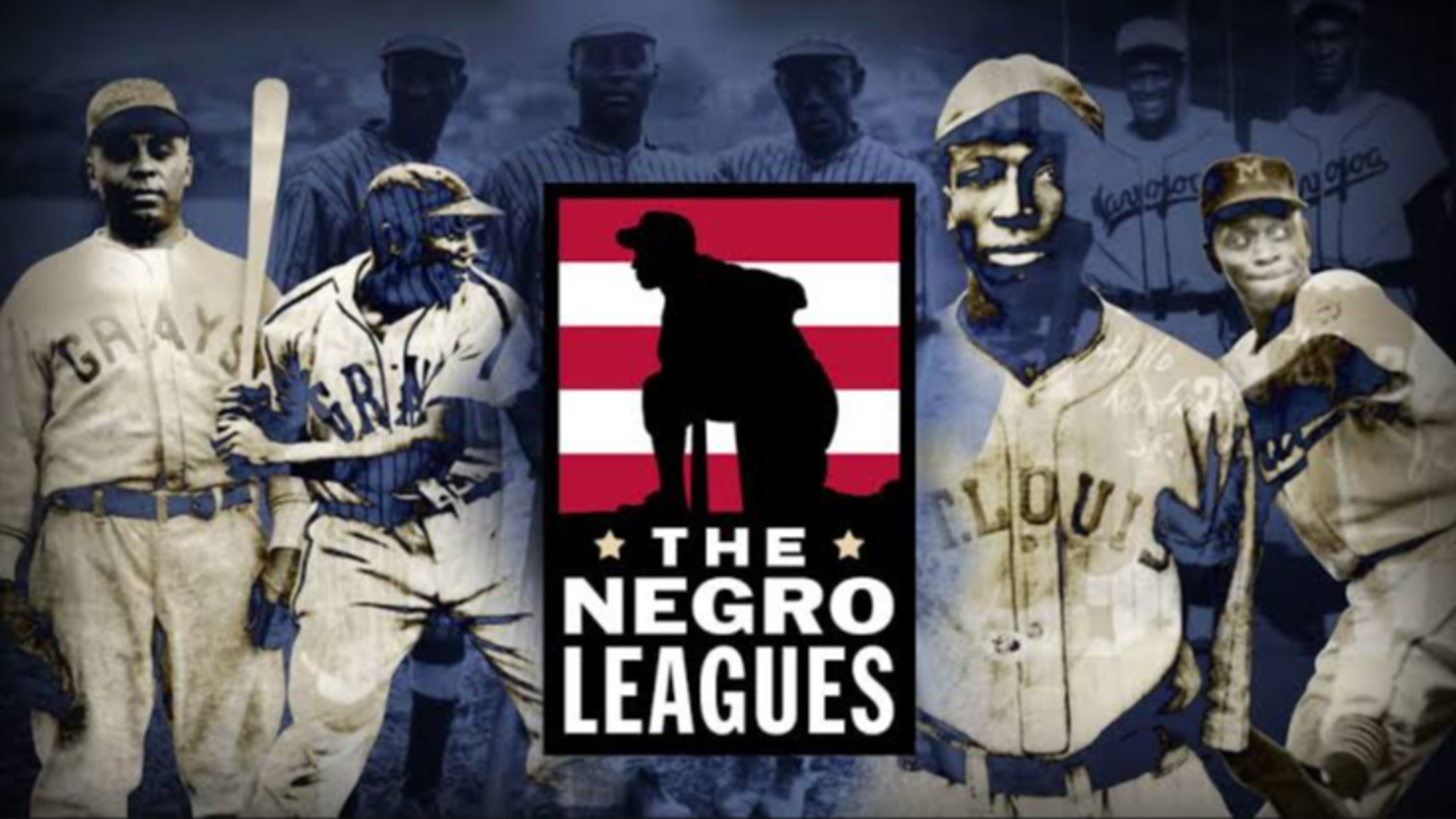
On May 29, 2024, Major League Baseball officially incorporated the statistics of more than 2,300 Negro Leagues players from 1920 to 1948 into its all-time record book.
Overnight, Josh Gibson became MLB's career leader in batting average, slugging percentage and OPS, passing Ty Cobb and Babe Ruth.
A recognition that took decades to arrive
MLB had first recognized the Negro Leagues as major league equivalent in December 2020, acknowledging that segregation had barred Black and Latino players of extraordinary talent from competing in the American and National Leagues for decades.
It took a further three and a half years of research, led by an independent statistical review committee working through incomplete and scattered box scores, before those numbers were formally merged into the sport's official historical record.
Gibson's numbers, finally where they belonged
Gibson's .372 career batting average surpassed Ty Cobb's long-standing .367 mark, while his .718 slugging percentage moved ahead of Babe Ruth's .690.
Gibson also holds the new all-time single-season batting average record at .466, set with the 1943 Homestead Grays.
Researchers have cautioned that Negro Leagues record-keeping was less complete than the major leagues, with an estimated 75 percent of box scores available, meaning these figures likely undersell what some players actually achieved.
A correction, not a footnote
Bob Kendrick, president of the Negro Leagues Baseball Museum, described the move as historical validation for players who had been shut out of the majors and built their own league in response.
Commissioner Rob Manfred framed it as ensuring future fans could access the same statistical record for Negro Leagues alumni as for every other player in baseball history, rather than treating their careers as a separate, lesser category.
The players still climbing the leaderboards
Gibson wasn't the only player whose career was reshaped by the update.
Hall of Famers including Willie Mays, Roy Campanella, Larry Doby and Satchel Paige all saw their official career totals adjusted to reflect Negro Leagues seasons that had previously existed only in separate, unofficial record books.
For players like Mays, who also had a long, well-documented major league career afterward, the update simply completed a statistical record that had always existed, just never in one unified place.
The research effort behind the update drew on organizations like Seamheads and Retrosheet, whose volunteer-driven statistical archaeology over many years made the entire project possible once MLB finally committed to incorporating it officially.
That collaboration between independent researchers and MLB's own statisticians has been held up since as a model for how historical sports records more broadly might eventually be corrected, in baseball and beyond.
Similar calls have since emerged for other historically excluded leagues and competitions in different sports to receive comparable statistical review, though none has moved as far as baseball's Negro Leagues project.
Should a record that took eighty years to formally recognize carry the same weight as one that was counted correctly from the start?


