





 0
FIFA Tried to Sell a Piece of the World Cup. It Lasted Less Than a Week.
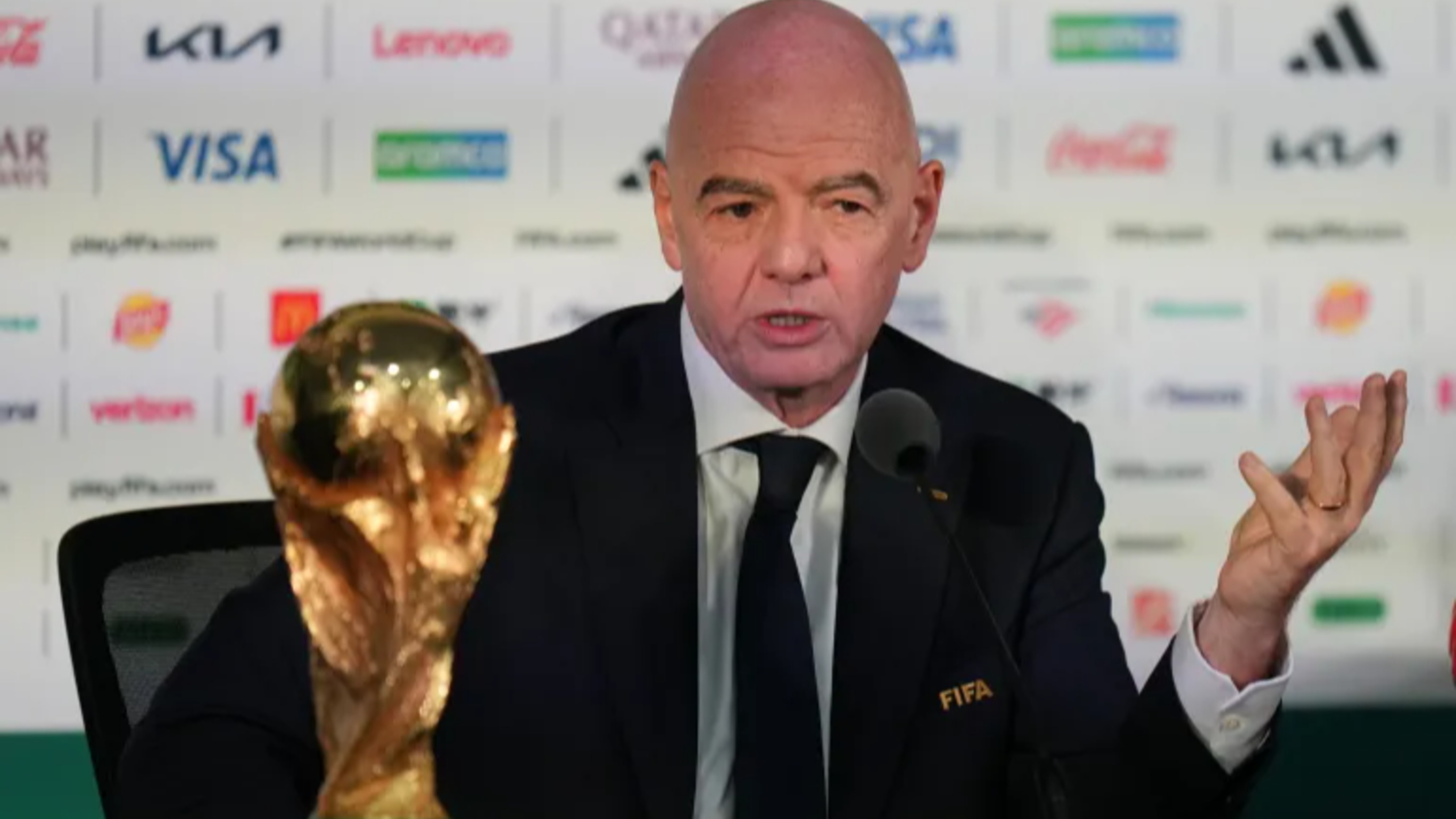
FIFA president Gianni Infantino had a plan to raise up to $4.2 billion by selling roughly a 20% stake in a new commercial entity that would house the World Cup's media rights, valued at around $20 billion overall. It collapsed within days of becoming public.
What FIFA actually proposed
The vehicle, internally named FIFA Forward Enterprise, would have let outside investors buy a minority, non-controlling stake while FIFA retained 80% ownership. FIFA framed it as a way to unlock greater value from its commercial rights and boost funding for member associations around the world. Thrive Capital's Thrive Eternal fund, founded by Joshua Kushner, was reportedly set to lead the investor group.
That detail alone, involving a fund with family ties to the sitting US president, added a political layer that made the proposal almost impossible to sell as a purely commercial move, whatever FIFA's actual intentions were.
How the confederations killed it in days
UEFA didn't just object. Europe's 55 member associations unanimously backed a threat to boycott FIFA competitions entirely if the plan went through. UEFA's statement was blunt: the soul and governance of football are not assets to trade. The Asian Football Confederation and CONCACAF joined the pushback, both saying they'd learned about the proposal through media reports rather than any actual consultation from FIFA itself.
Even people inside FIFA turned on it. One executive told reporters the organization's own staff felt deceived by how the plan had been handled from the start.
Infantino pulled the plug on August 1, saying the project had created divisions that no longer served its original purpose. Days later, he apologized to FIFA's 211 member associations at an emergency meeting in Rabat, Morocco, promising a formal review of what went wrong.
The fight that outlasted the apology
The apology hasn't ended the story. In September, the European players' union FIFPRO released a study arguing the collapsed proposal exposed real structural flaws in how the sport is run, and called for players, clubs, and leagues to get formal seats at football's governance table alongside national federations, rather than being informed after the fact.
That's the actual fight worth watching now. Not whether the $4.2 billion deal comes back in some other form, because it almost certainly won't look anything like this again. It's whether the near-miss changes who gets consulted before FIFA makes its next big financial move, or whether this ends up as one more governance crisis that gets apologized for in Morocco and then quietly forgotten by the time the next World Cup cycle begins.
Who Actually Gets a Vote?
The episode also leaves a bigger question about where football's commercial power actually sits. FIFA may control the World Cup, but its ability to monetize that control still depends on federations, clubs, players, broadcasters and fans accepting the way those decisions are made.
FIFA has 211 member associations, and by every account, most of them found out about a $20 billion plan involving their sport's crown jewel from a press release rather than a phone call. Who should actually get a vote before that happens again?

Sarajevo Back at the Heart of Regional MMA: SFC Returns with Explosive Matchups

How Buzzer Karma Works: Levels, Penalties, and What They Mean

Inside Buzzer's Latest Update (and Why It Changes How You Use the App)

Buzzer Introduces Ads Console: A New Era of Advertising Across the Entire Buzzer Ecosystem

Buzzer Is Evolving: From Quantity to Quality

Buzzer Now Has a Games Hub, and Tournaments Are Coming

Polo Al Taco Expands Its Global Reach Through Weekly Livestreams on Buzzer Arena TV

Al Ittihad SC's Matches Are Now Live on Buzzer

Palm City vs Gulf United Ends in 1–1 Draw in UAE Second Division League Clash

"We Don't Take the Guy With the Camera." He Built His Own Club Anyway. Now He's Coming to Find You.


 3


