





 1
Women's Sport Is Producing Bigger Stars but Still Fighting for Equal Attention
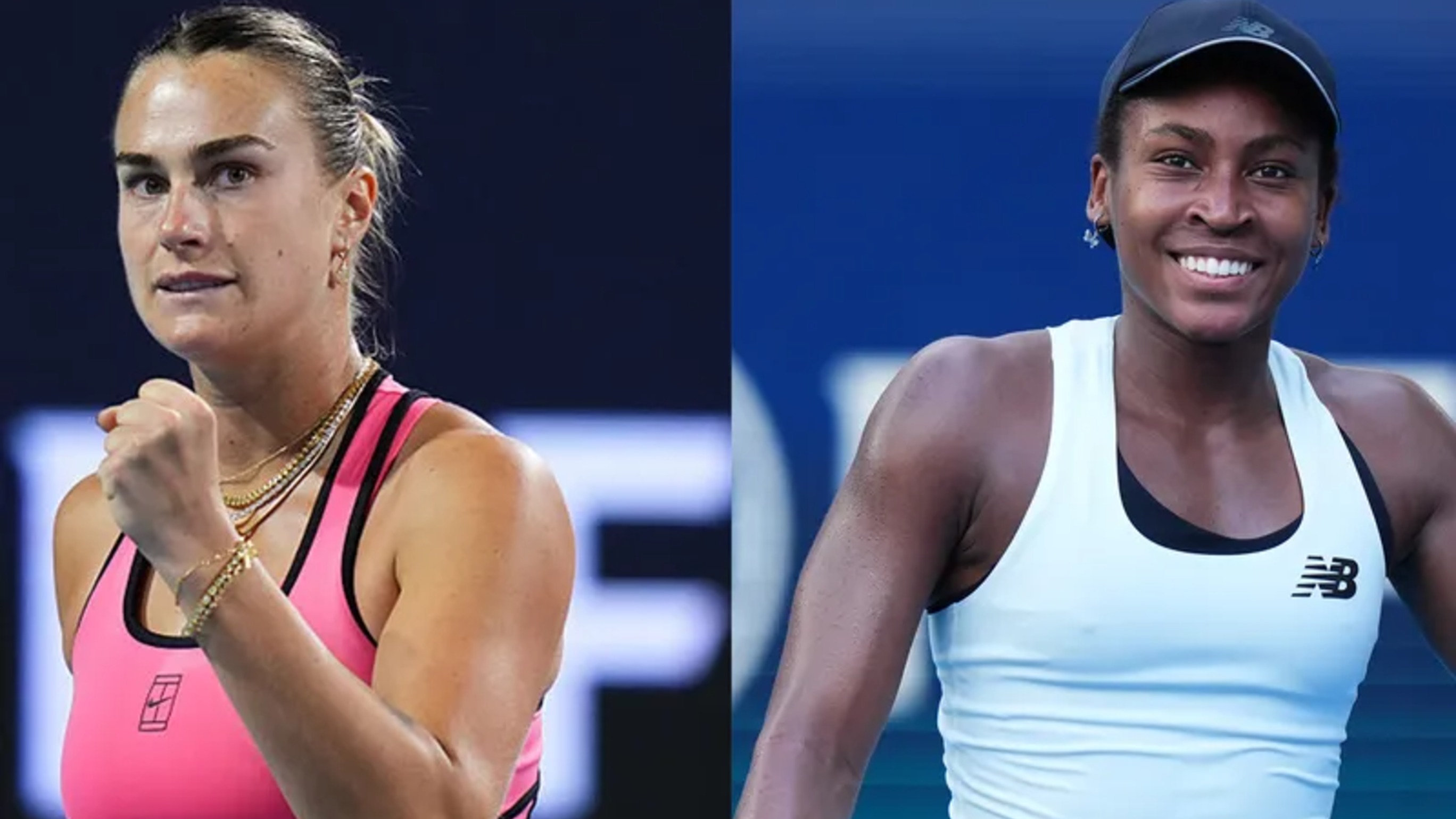
Women's sport has never had more visibility. From Coco Gauff and Aryna Sabalenka in tennis to the rising profile of women's basketball and golf, female athletes are attracting larger audiences, bigger sponsorships and more global attention. But one question remains: is women's sport growing fast enough to close the attention gap with men's sport?
The Stars Are Getting Bigger
The most obvious change is the emergence of athletes who can attract audiences far beyond their individual sports. Gauff, Sabalenka and other tennis stars have become global names, while women's basketball has benefited from a new generation of players capable of turning individual games into major events.
That matters because stars create the connection between casual viewers and a sport. A fan may not follow an entire league or tournament, but they will watch because they know the athlete competing.
Women's Sport Is Becoming a Bigger Business
The commercial picture is changing too. Broadcasters, sponsors and investors increasingly see women's sport as a product with its own audience rather than simply a smaller version of men's competition.
That shift can create a positive cycle. More investment can improve facilities, marketing, player development and broadcasting, which can attract larger audiences and make the next investment easier to justify.
The Attention Gap Hasn't Disappeared
Growth, however, does not mean equality. Men's competitions still dominate much of the global sports calendar, media coverage and sponsorship landscape, giving male athletes a structural advantage that cannot be erased by a few breakout stars.
Women's events can also experience huge differences in visibility depending on the sport, country and competition. A major tennis final might attract enormous attention while an equally important event elsewhere struggles to find consistent coverage.
Global Tournaments Could Change the Equation
Events such as the FIBA Women's Basketball World Cup, the Women's World Cup in football and the Solheim Cup provide something individual leagues cannot always offer: national identity combined with elite competition.
These tournaments can introduce new audiences to women's sport because viewers aren't necessarily tuning in for a particular club. They are watching their country, creating an emotional connection that can turn occasional viewers into long-term fans.
The Next Challenge Is Sustaining the Momentum
The biggest danger for women's sport may no longer be proving that audiences exist. The harder challenge is keeping those audiences engaged between major tournaments and ensuring rising stars have platforms throughout their careers.
That means investment cannot stop when a record audience is achieved. It has to continue through grassroots development, professional leagues, media coverage, facilities and opportunities that allow the next generation of athletes to emerge.
Women's Sport Is No Longer Waiting for Permission
The trajectory is increasingly clear: women's sport is producing marketable stars, attracting serious investment and creating events capable of commanding global attention. The question is no longer whether people will watch.
So, if women's sport has already proved it can attract the stars, the audiences and the money, what is still holding it back from receiving the attention it deserves?

Sarajevo Back at the Heart of Regional MMA: SFC Returns with Explosive Matchups

How Buzzer Karma Works: Levels, Penalties, and What They Mean

Inside Buzzer's Latest Update (and Why It Changes How You Use the App)

Buzzer Introduces Ads Console: A New Era of Advertising Across the Entire Buzzer Ecosystem

Buzzer Is Evolving: From Quantity to Quality

Buzzer Now Has a Games Hub, and Tournaments Are Coming

Al Ittihad SC's Matches Are Now Live on Buzzer

Palm City vs Gulf United Ends in 1–1 Draw in UAE Second Division League Clash

"We Don't Take the Guy With the Camera." He Built His Own Club Anyway. Now He's Coming to Find You.

Building the Infrastructure Sports Tech Forgot


