





 0
Alex Eala Has a Problem No Ranking Can Solve: Choosing Between the WTA Tour and the Asian Games
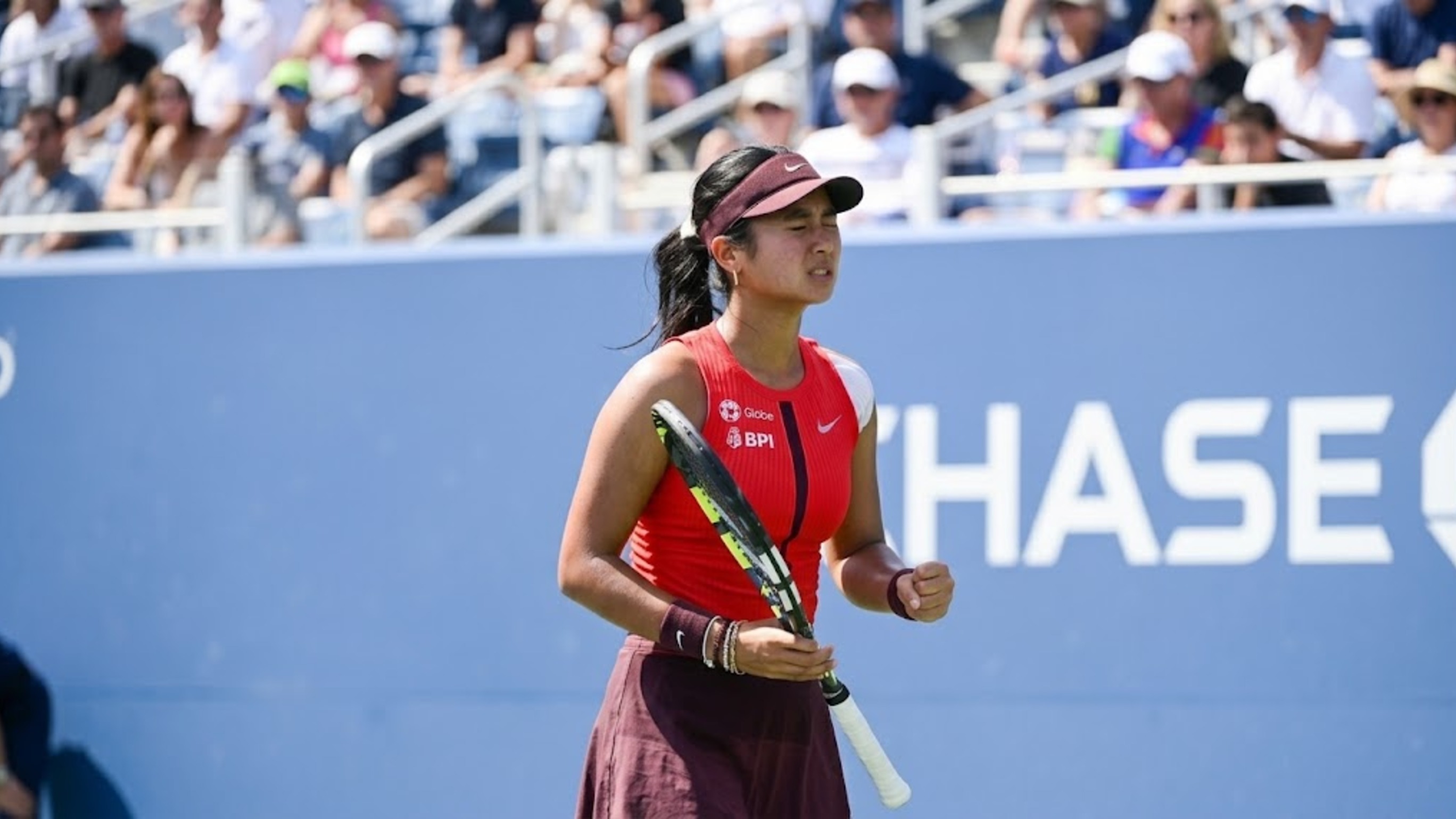
Alex Eala is ranked world No. 18. That ranking automatically qualifies her for the China Open, a mandatory WTA 1000 event where players who skip without an approved exemption face real financial consequences. She's skipping it anyway to represent the Philippines at the Asian Games.
If the WTA denies her exemption request, Eala faces a $10,000 fine and a zero-point penalty toward her ranking. She's choosing the flag over the fine.
The calendar collision that forced the decision
The numbers explain why this isn't a simple choice. The Asian Games tennis competition runs in Nagoya, Japan, while the China Open, a WTA 1000 mandatory event, runs in Beijing during an overlapping window. Under the WTA rulebook, players who qualify for a mandatory 1000-level event are generally required to compete, barring specific exemptions tied to age, long-term injury, or similar provisions.
The Philippine Tennis Association has formally requested a waiver on Eala's behalf, citing her Olympic-movement commitment to the national team. As of mid-September, that request was still pending. What makes the outcome genuinely uncertain is precedent working against her.
Indonesia already showed what happens without a waiver
Indonesia's Janice Tjen, ranked world No. 36, sought the same kind of exemption and was turned down flat. "After a lot of consideration, I've had to make the difficult decision that I won't be able to compete at the Asian Games this year," Tjen wrote, confirming the WTA had denied her request.
That precedent doesn't guarantee Eala gets the same answer. But it does mean the Philippine tennis federation is negotiating from a weaker position than it might like, asking the WTA to make an exception it's already refused to grant someone else in the exact same situation.
What Eala is actually giving up
The China Open isn't a minor event she's skipping. It's a mandatory 1000-level tournament offering ranking points and a purse that dwarfs almost anything available at a continental multi-sport games. Eala already sat out the tournament last year, so she isn't defending points there, which softens the ranking hit somewhat. But the fine, and the zero-point penalty if the exemption falls through, are real costs for representing her country instead.
She's made clear that's not a close call for her. "I love playing and competing with the Philippine team. In the SEA Games, the Asian Games, I've also done that," Eala said. "I think it's a really fun environment, and I love being with the team."
Why this is bigger than one player's schedule
Eala isn't the only elite athlete facing this tension. Top-ranked players across the region are choosing between protecting tour commitments and representing their countries at the Asian Games. Some are skipping the Games; others, like Eala, are choosing national duty. There is no clean answer: WTA mandatory events protect the tour's commercial value, while national competitions carry a different pull ; representing your country.
When those two structures collide, as they did for Eala this September, the player is the one left absorbing the cost, financial or otherwise, of choosing between them.
Should governing bodies like the WTA build automatic exemptions for Olympic-movement events like the Asian Games into their mandatory-tournament rules, or does that just open the door for every player to pick and choose which "mandatory" events actually apply to them?

Sarajevo Back at the Heart of Regional MMA: SFC Returns with Explosive Matchups

How Buzzer Karma Works: Levels, Penalties, and What They Mean

Inside Buzzer's Latest Update (and Why It Changes How You Use the App)

Buzzer Introduces Ads Console: A New Era of Advertising Across the Entire Buzzer Ecosystem

Buzzer Is Evolving: From Quantity to Quality

Buzzer Now Has a Games Hub, and Tournaments Are Coming

Polo Al Taco Expands Its Global Reach Through Weekly Livestreams on Buzzer Arena TV

Al Ittihad SC's Matches Are Now Live on Buzzer

Palm City vs Gulf United Ends in 1–1 Draw in UAE Second Division League Clash

"We Don't Take the Guy With the Camera." He Built His Own Club Anyway. Now He's Coming to Find You.


 1
 7

