




 0

Pakistan Just Changed Seven Players and Its Coach. What Happens When a Cricket Team Resets?
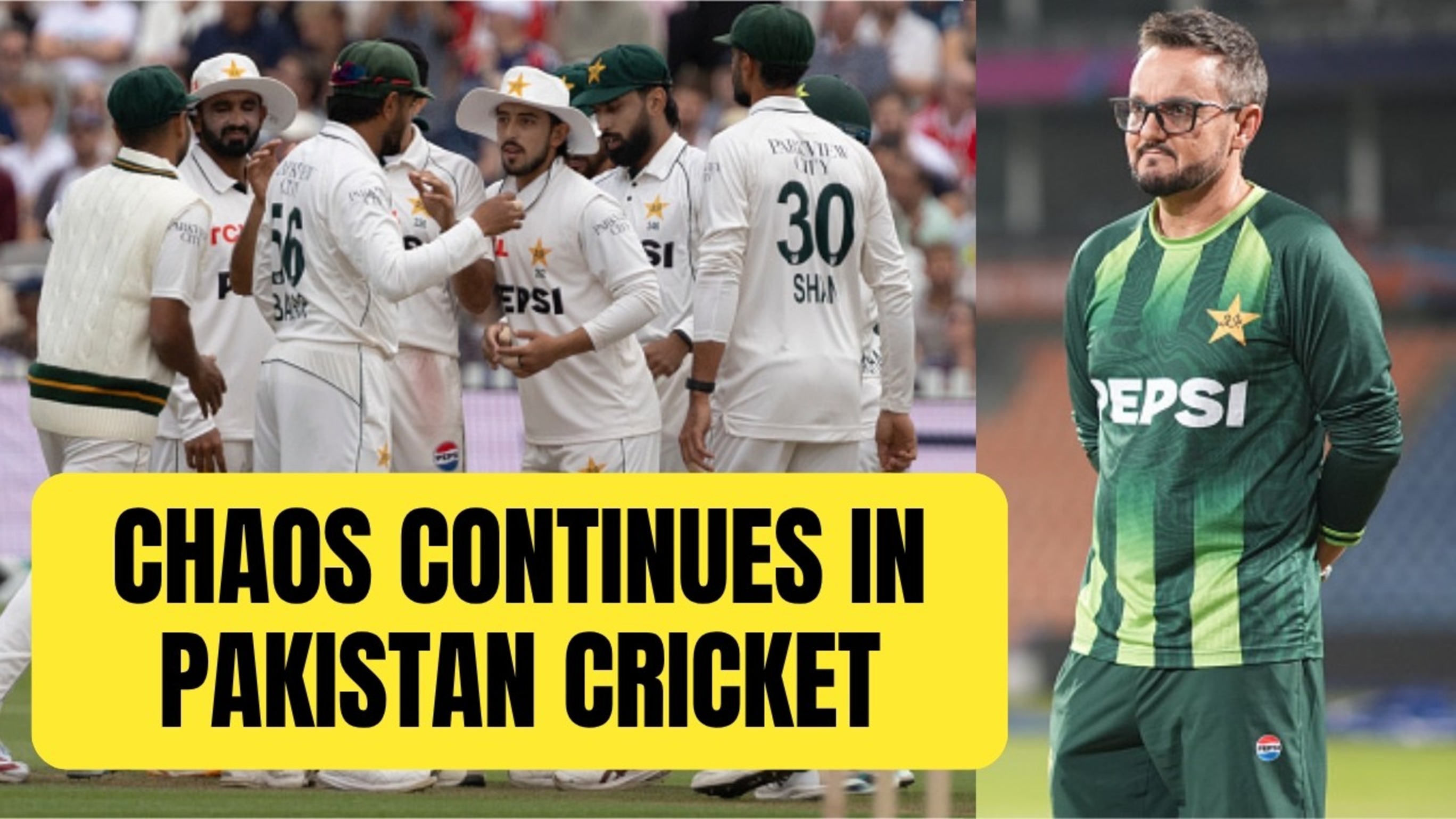
Pakistan lost the first Test to England by an innings and 103 runs. They lost the second by 194 runs. By Monday, the head coach was gone, and so were seven players.
This isn't a squad tweak between matches. It's close to half the touring party being torn up with one Test still to play.
What actually happened
Head coach Sarfaraz Ahmed was released, replaced by Mike Hesson, who previously ran Pakistan's white-ball setup. Bowling coach Umar Gul was swapped out for Ashley Noffke. Seven players were sent home, including wicketkeeper Mohammad Rizwan, a fixture of the side for years, and Salman Ali Agha, who had captained the side in the first Test before being dropped for the second.
Also released was spinner Ali Usman, who had taken a five-wicket haul at Leeds in the first Test and still didn't survive the cut. That detail alone tells you how sweeping this reset actually was. It wasn't only about punishing bad individual performances. Seven replacements were called up for the Edgbaston finale, five of them uncapped at Test level.
Why this goes beyond one bad series
Two heavy losses in a row would rattle any cricket board. What makes this different is the scale of the response. Pakistan didn't tweak the batting order or rest one struggling bowler. They removed the coaching structure and nearly half the touring squad in one move, with a dead rubber still to play.
That's not a correction. It's an admission that the board no longer trusts the system that produced those two results, and a sign that patience for gradual improvement has completely run out.
The tension at the heart of every reset like this
There's a real argument for what Pakistan just did. When a team is losing this badly, continuity can start to look like stubbornness, and fresh faces at least force selectors to make a genuine judgment about who deserves to be there.
There's an equally real argument against it. International cricket rewards players and coaching staff who know each other's tendencies under pressure. Wholesale change right before a dead rubber risks throwing that continuity away for a result that won't change the series outcome either way, since England had already secured the win.
What actually gets tested at Edgbaston
Five uncapped players are about to make their Test debuts in the shadow of a coaching change and a squad purge, against a confident England side that's already won the series. That's an unusually difficult environment for a first Test cap, with almost none of the gradual introduction most young cricketers get.
If any of them perform well, Pakistan gets a genuine data point about who's ready for the next cycle. If they struggle, it becomes harder to tell whether that's about talent or about being thrown into chaos with almost no preparation time.
Pakistan just bet that starting over beats defending a system that clearly isn't working. Does a shake-up this dramatic actually fix anything mid-series, or does it just guarantee an even rockier transition before the real rebuild can begin?

Peres Jepchirchir Won Sydney Easily. What Makes Some Marathoners Better at Managing the Final 10K?

England vs Argentina: Why This Rivalry Never Gets Old

Kipchoge's Asterisk Is Getting Old

Why Football's Transfer Window Always Turns Into a Last-Minute Auction

How Thailand Finally Reached the Olympics, and What Its Volleyball System Can Teach Other Nations

Why September Could Be One of Sport's Most Important Months of 2026

Arsenal Have Started the Title Defence Perfectly. Is Their Biggest Advantage Now Squad Depth?

The Clippers Lost Five First-Round Picks. What Happens When an NBA Team Breaks the Salary-Cap Rules?

Why Cricket's Impact Player Rule Has Become a Bigger Debate Than the Matches It Changes

Papua New Guinea Is Building a Rugby League Team From Scratch. Could It Change the Sport's Map?


