





 0
Dubai Basketball Beat Real Madrid Twice. The EuroLeague Is Getting a New Kind of Global Club
Dubai Basketball had never played a single EuroLeague game before this season. By February, it had beaten Real Madrid twice.
That's not a typo. The team's home debut against Partizan Mozzart Bet ended 89-76. Months later, in February, Dubai beat Real Madrid 93-85 at the Coca-Cola Arena, then repeated the trick again in Round 27, less than 48 hours after also knocking off Olympiacos on the same floor. A club with zero EuroLeague history has already put together back-to-back wins over two of the competition's most decorated names.
How a debutant beats a giant twice
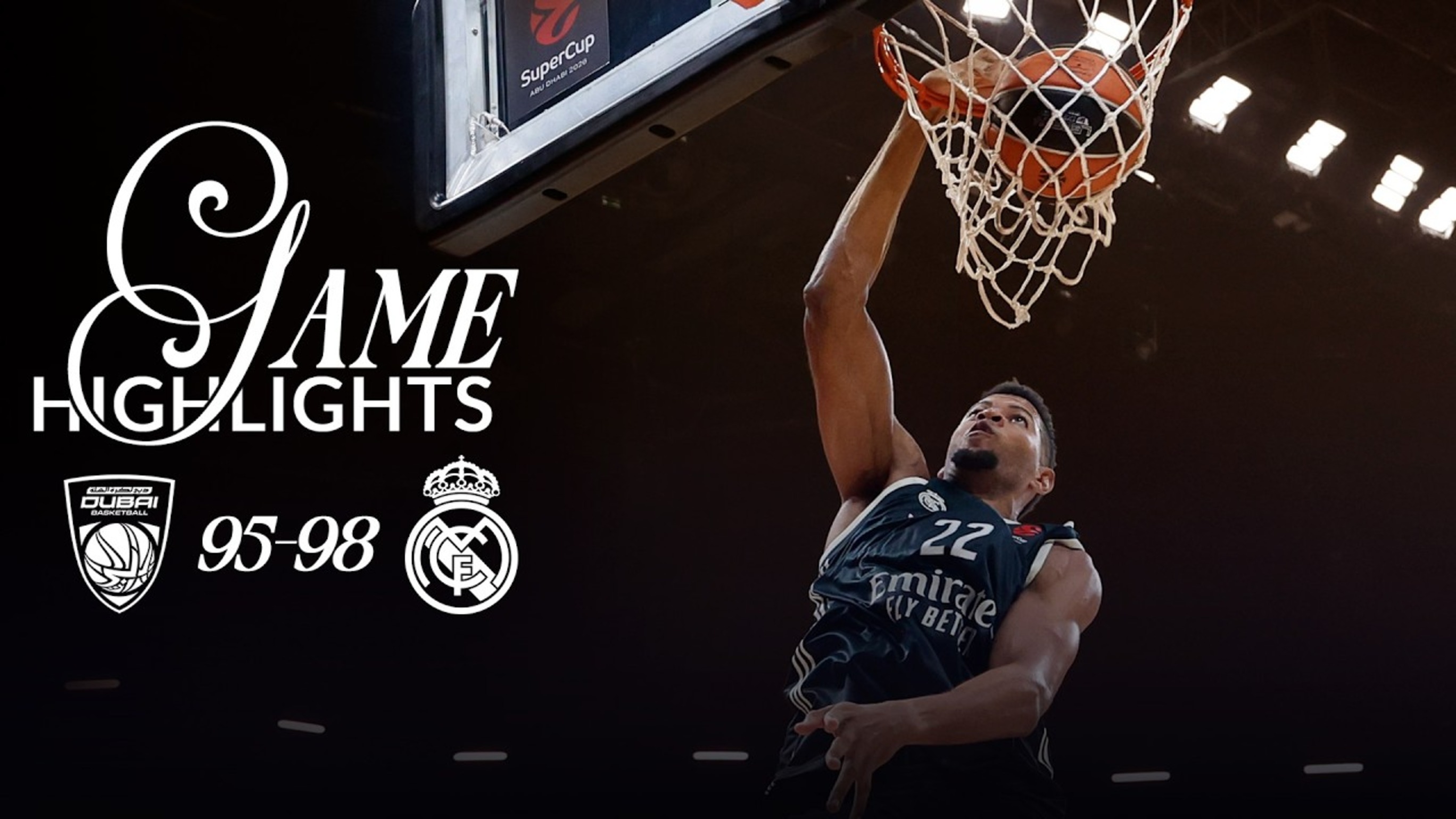
The second Real Madrid win followed a familiar script. Dubai started slowly, managing just 11 points in the opening quarter, and trailed by double digits deep into the third. Then came a 17-4 run that flipped the entire complexion of the game, with Bruno Caboclo punishing mismatches inside and stretching the floor from outside. Real Madrid went scoreless from the field for long stretches of the fourth quarter while Dubai closed it out in front of a crowd of 7,000.
Head coach Jurica Golemac described it afterward as an extremely tense game, saying the fans gave the team an extra push in the final fifteen minutes. That's coach-speak for something real: Coca-Cola Arena has quietly become one of the harder venues to win at in Europe's premier club competition, and it's only been open to EuroLeague basketball for one season.
The roster doing the winning
Dubai's own first signing of the new era, Dzanan Musa, led the charge against his former club with a standout night, while McKinley Wright IV, Filip Petrusev and Dwayne Bacon supplied the scoring depth around him. It's a roster built from established European and American talent rather than developed academy players, the kind of squad money buys quickly when a club wants to compete immediately instead of waiting a decade to grow one organically.
That's the part worth sitting with. EuroLeague clubs like Real Madrid and Olympiacos built their basketball cultures over generations, through youth systems, local rivalries, and decades of continuity. Dubai skipped straight to the results without any of that scaffolding, which raises an obvious question about what actually makes a club durable in this sport.
Winning is the easy part
A debut season with wins like these buys attention. It doesn't automatically buy a fan base that shows up when the results dip, or a youth pipeline that produces the next Musa a decade from now instead of having to sign him. The 7,000 fans who turned Coca-Cola Arena into a genuine home-court advantage against Real Madrid are proof the appetite exists in the city right now. Whether that appetite survives a rebuilding year is a different test entirely.
European basketball has expanded into new markets before, chasing bigger arenas and untapped sponsorship money, with mixed long-term results. What makes Dubai's case worth watching isn't the win over Real Madrid itself. It's whether the club can turn a genuinely electric single season into something that still matters in ten years, once the novelty of beating giants for the first time has worn off.
Is a debut season full of statement wins over EuroLeague royalty proof that a market is ready for top-tier basketball, or does it take a decade of mediocre seasons and loyal fans to actually answer that question?

Sarajevo Back at the Heart of Regional MMA: SFC Returns with Explosive Matchups

How Buzzer Karma Works: Levels, Penalties, and What They Mean

Inside Buzzer's Latest Update (and Why It Changes How You Use the App)

Buzzer Introduces Ads Console: A New Era of Advertising Across the Entire Buzzer Ecosystem

Buzzer Is Evolving: From Quantity to Quality

Buzzer Now Has a Games Hub, and Tournaments Are Coming

Polo Al Taco Expands Its Global Reach Through Weekly Livestreams on Buzzer Arena TV

Al Ittihad SC's Matches Are Now Live on Buzzer

Palm City vs Gulf United Ends in 1–1 Draw in UAE Second Division League Clash

"We Don't Take the Guy With the Camera." He Built His Own Club Anyway. Now He's Coming to Find You.


