





 0
The Asian Games Just Outgrew the Olympics
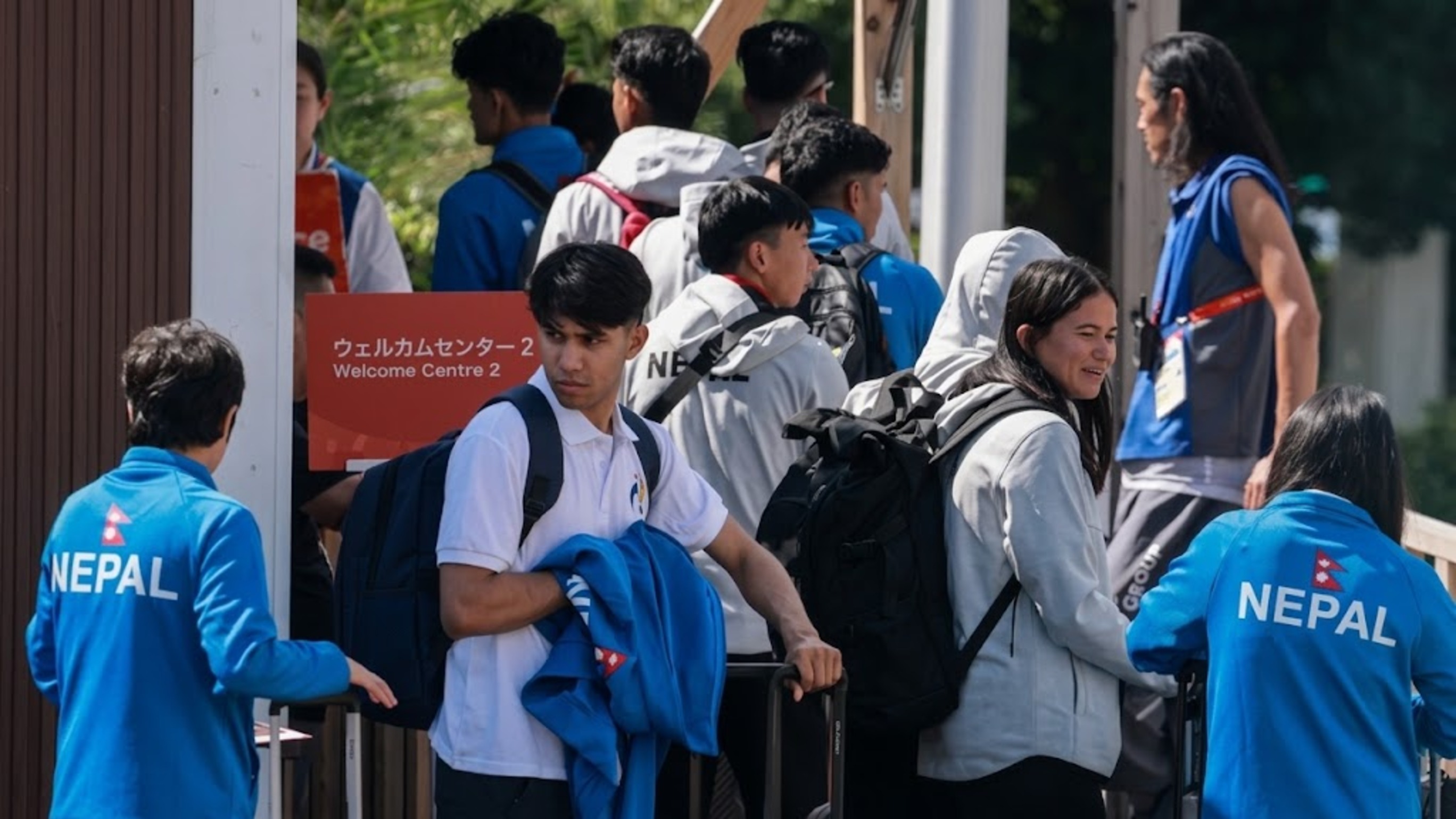
More than 11,000 athletes from 45 countries and regions are competing at the 2026 Asian Games in Aichi-Nagoya, across 43 sports, 71 disciplines and 469 medal events. That sport count alone puts it ahead of the Summer Olympics, which typically runs somewhere in the low thirties.
That's not a coincidence or a scheduling quirk. It reflects something the Asian Games has built deliberately over decades: a continental identity distinct from the Olympic model it superficially resembles.
Sports the Olympics doesn't carry
Kabaddi, sepak takraw, wushu and kurash all have medal events in Nagoya. None of them appear at the Olympics. These aren't token inclusions either. Kabaddi in particular draws massive television audiences across South Asia, and wushu carries genuine cultural weight across East and Southeast Asia in a way that never translated into Olympic recognition.
Padel, teqball, surfing, BMX freestyle and mixed martial arts are all making their Asian Games debut this edition too, alongside esports retaining its status as an official medal sport, covering titles like Honor of Kings and PUBG Mobile in a regional gaming market the Olympic movement has been far slower to embrace.
What that says about who the Games is actually for
The Olympics exists to showcase a roughly standardized set of sports across a genuinely global audience, which necessarily means leaving out anything too regionally specific to translate. The Asian Games faces no such constraint. It can build its program around what Asian audiences actually watch and play, rather than what fits a universal international format.
China's delegation alone brought 1,274 members, 815 of them athletes, led by 36 Olympic champions with an average age of 24. India sent 503 athletes across 37 sports. Those aren't token national delegations showing up for a minor regional event. They're serious competitive investments from countries treating the Asian Games as genuinely important on its own terms, not as a stepping stone to something bigger.
The identity this actually builds
China has topped the medal table at 11 consecutive editions since 1982, a run so dominant it's arguably shaped how the rest of the continent approaches the Games, less as a shot at beating China outright and more as a proving ground for athletes on the way toward Olympic and World Championship qualification.
The Games also give emerging sports a rare international stage of their own. For athletes and federations outside the Olympic spotlight, that visibility can matter almost as much as the medals themselves.
That layered purpose, part genuine continental championship, part development pipeline, part cultural showcase for sports the Olympics will never carry, is what a 43-sport program actually buys. It's a Games built around Asian sporting identity rather than a scaled-down version of someone else's.
Does Asian sport actually need this kind of standalone continental identity to thrive, separate from Olympic recognition entirely, or does chasing Olympic inclusion for sports like kabaddi and wushu remain the bigger long-term prize?

Sarajevo Back at the Heart of Regional MMA: SFC Returns with Explosive Matchups

How Buzzer Karma Works: Levels, Penalties, and What They Mean

Inside Buzzer's Latest Update (and Why It Changes How You Use the App)

Buzzer Introduces Ads Console: A New Era of Advertising Across the Entire Buzzer Ecosystem

Buzzer Is Evolving: From Quantity to Quality

Buzzer Now Has a Games Hub, and Tournaments Are Coming

Al Ittihad SC's Matches Are Now Live on Buzzer

Palm City vs Gulf United Ends in 1–1 Draw in UAE Second Division League Clash

"We Don't Take the Guy With the Camera." He Built His Own Club Anyway. Now He's Coming to Find You.

Building the Infrastructure Sports Tech Forgot


 1


