





 1

Great MMA Fighters Don’t Win by Having a Plan. They Win by Fixing It
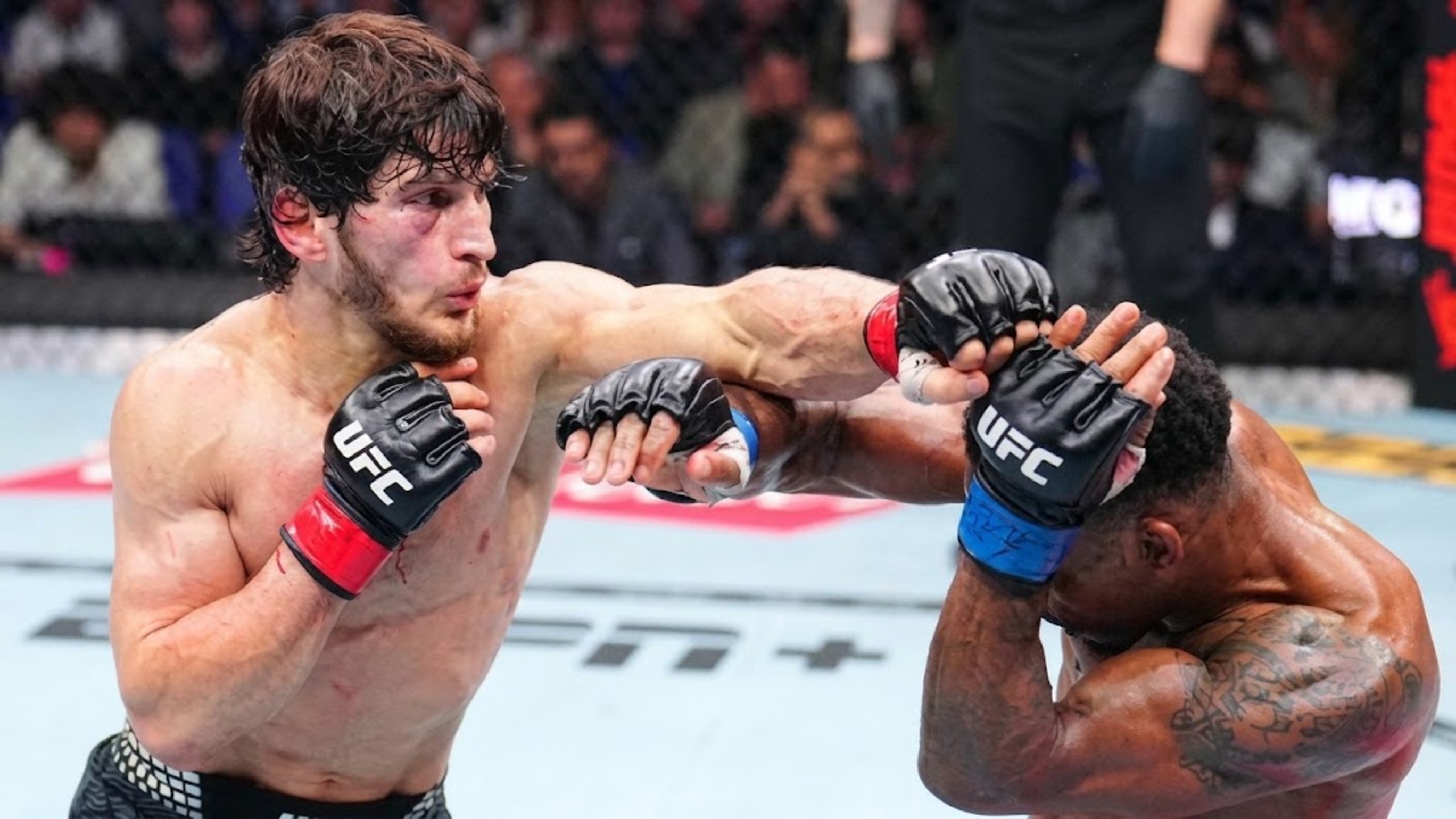
UFC 333 takes place on Saturday 24 October at Etihad Arena on Yas Island in Abu Dhabi, with two title fights at the top of the card. Featherweight champion Alexander Volkanovski, 28-4, defends against the unbeaten Movsar Evloev. Bantamweight champion Petr Yan then meets Merab Dvalishvili in their third fight.
Both bouts are interesting for the same reason, and it has little to do with who hits harder. In each one, the plan that worked last time or that looked good on paper is going to stop working at some point. The fight is decided by who notices first.
Every fighter walks in with a game plan. The best ones are the people who can rewrite it between rounds.
The problem with rematches
Trilogy fights are a gift for analysis, because both fighters have footage of each other. Dvalishvili lost his belt to Yan in a rematch at UFC 323, so there is a sense that the champion’s pace didn’t solve a puzzle that Yan had spent time studying.
That tells you something about what elite adaptation looks like. Nobody beats a top fighter with a secret. They do it by taking away the thing that fighter relies on, and then making him find a second option under pressure.
A fighter’s second option is the real test. Plenty of people have a good first plan. Far fewer have a second one they can run when they’re tired and a little hurt.
The basic toolkit
Distance is the first variable. A fighter who wants to counter punch needs space, and a fighter who wants to wrestle needs to close it. Much of what looks like random movement in the first round is each person trying to impose the right distance.
Feints come next. A fake shot or a shift of the shoulders asks a question, and the opponent’s answer tells you something. A fighter who flinches at a feint will flinch again, and that gives the other man a pattern to exploit.
Then comes the threat of the takedown. A striker who has to worry about being grounded can’t plant his feet the way he wants. A wrestler who keeps getting stuffed starts to lose time and energy.
Fatigue sits underneath everything. By the third round, the fighter who has spent energy chasing a plan that isn’t working is in trouble, and the one who has been saving small amounts through good movement has options left.
What to watch on Saturday
Evloev is known as a wrestler with a grinding style, and his unbeaten record suggests he has found ways to make fights look the way he wants. Volkanovski has spent years as one of the most tactically flexible featherweights in the sport.
The question for the main event is whether Volkanovski’s footwork and timing can keep the fight where he wants it, or whether Evloev’s pressure takes that away. Watch the first two rounds for small adjustments, such as a change of stance or a different rhythm of kicks. Those are the signs that someone has spotted a problem and is trying to solve it.
In the co-main event, both Yan and Dvalishvili know each other’s habits. Yan has to deal with relentless pace, and Dvalishvili has to deal with a man who has learned how to disrupt it. It is closer to a chess match played at speed than a brawl.
Judging a fight by the adjustments
Casual viewers tend to judge fights by the finish. A knockout or a submission is easy to understand and easy to remember. But plenty of the best performances end on the scorecards, with a fighter who solved the problem in round two and spent three rounds applying the answer.
A better question to ask while watching is who is making the other man uncomfortable. That might show up as a missed takedown, a slightly slower punch, or a fighter who keeps looking at the clock. Those moments rarely make highlight reels, and they usually decide fights.
The sport rewards a particular kind of humility. The fighter who insists on his plan, even as it fails, is often the one who loses. The fighter who admits at 3:30 of round one that something isn’t working, and changes, usually has the better night.
It also helps explain why a man can lose a fight he seemed to be winning. A lead built on one tactic can disappear in a minute if the opponent finds the counter. Momentum in MMA is real, and it belongs to whoever adapts faster.
When a trilogy fight starts, who has more to fix: the man who lost last time, or the man who won?

Sarajevo Back at the Heart of Regional MMA: SFC Returns with Explosive Matchups

How Buzzer Karma Works: Levels, Penalties, and What They Mean

Inside Buzzer's Latest Update (and Why It Changes How You Use the App)

Buzzer Introduces Ads Console: A New Era of Advertising Across the Entire Buzzer Ecosystem

Buzzer Is Evolving: From Quantity to Quality

Al Ittihad SC's Matches Are Now Live on Buzzer

Polo Al Taco Expands Its Global Reach Through Weekly Livestreams on Buzzer Arena TV

Buzzer Now Has a Games Hub, and Tournaments Are Coming
Palm City vs Gulf United Ends in 1–1 Draw in UAE Second Division League Clash

"We Don't Take the Guy With the Camera." He Built His Own Club Anyway. Now He's Coming to Find You.


