





 0
Nearly Every Top Player in Tennis Just Signed Up For The Same Tournament. That's Not A Coincidence
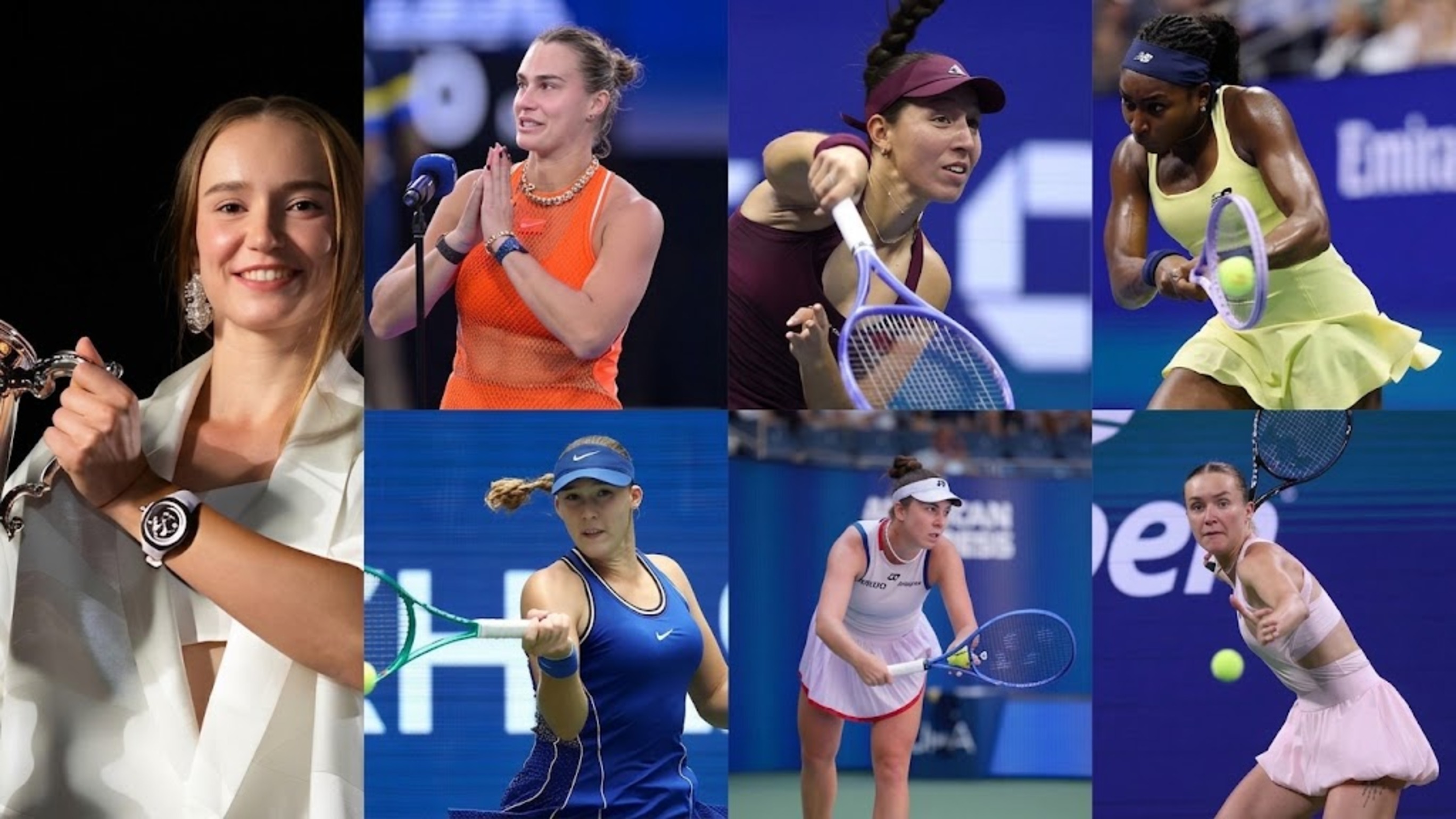
All 14 of the WTA's top-ranked players are entered in this year's China Open, and 18 of the top 20 are competing in Beijing. That level of concentration almost never happens on tour, and the reasons behind it say more about how tennis's calendar actually works than any single result from the tournament itself.
The China Open sits at a specific point in the season: the first major stop of the Asian swing, right after the US Open hardcourts wrap up and well before the indoor European season closes things out. It's a WTA 1000 event, one rung below a Grand Slam in ranking points and prize money, offering more than $9 million in total commitment this year across a 96-player singles draw. Recent champions read like a who's who of the sport's biggest names: Iga Swiatek in 2023, Coco Gauff in 2024, Amanda Anisimova defending in 2025.
Why players cluster around certain tournaments
Beijing has built a reputation as a genuine launching pad. Gauff's 2024 title run carried directly into a championship at the WTA Finals that same season. Swiatek's 2023 win preceded her own WTA Finals title and a year-end No. 1 ranking. That track record creates a feedback loop: players see that performing well in Beijing correlates with strong finishes to the season, which makes the tournament worth prioritizing over alternatives on the same part of the calendar, which in turn deepens the field even further and makes it harder to skip without falling behind rivals who show up.
Prize money plays its own role too. A WTA 1000 offering over $9 million doesn't just reward the eventual champion. It pays deep into the draw, which matters enormously for players fighting to qualify for the season-ending WTA Finals, where only a handful of spots are available and every ranking point in the fall genuinely counts.
The trade-off nobody wants to talk about
A field this stacked comes at a cost the players themselves have voiced concerns about for years. The stretch from the US Open through the Asian swing to the WTA Finals is one of the most physically demanding parts of the calendar, with minimal recovery time between marquee events on opposite sides of the world. When nearly every top player feels compelled to enter the same handful of tournaments, injuries and fatigue tend to pile up exactly during the stretch that matters most for the year-end rankings.
What a field this deep actually proves
Only two players ranked in the top 20 are missing from Beijing this year, both for specific, clearly stated reasons rather than any broader trend of top players skipping the event. That's an extraordinarily low opt-out rate for a non-mandatory tournament, and it says as much about the pressure the modern calendar puts on players to show up everywhere that matters as it does about Beijing's own appeal.
If nearly the entire top of the sport feels obligated to enter the same tournament in the same three-week window, is that a sign of a genuinely great event, or a sign that the calendar has left players with fewer real choices than it looks like on paper?

Sarajevo Back at the Heart of Regional MMA: SFC Returns with Explosive Matchups

How Buzzer Karma Works: Levels, Penalties, and What They Mean

Inside Buzzer's Latest Update (and Why It Changes How You Use the App)

Buzzer Introduces Ads Console: A New Era of Advertising Across the Entire Buzzer Ecosystem

Buzzer Is Evolving: From Quantity to Quality

Buzzer Now Has a Games Hub, and Tournaments Are Coming

Polo Al Taco Expands Its Global Reach Through Weekly Livestreams on Buzzer Arena TV

Al Ittihad SC's Matches Are Now Live on Buzzer

Palm City vs Gulf United Ends in 1–1 Draw in UAE Second Division League Clash

"We Don't Take the Guy With the Camera." He Built His Own Club Anyway. Now He's Coming to Find You.


 1


