




 0
0
Why Changing a Football Club’s Badge Can Cause a War With Its Fans
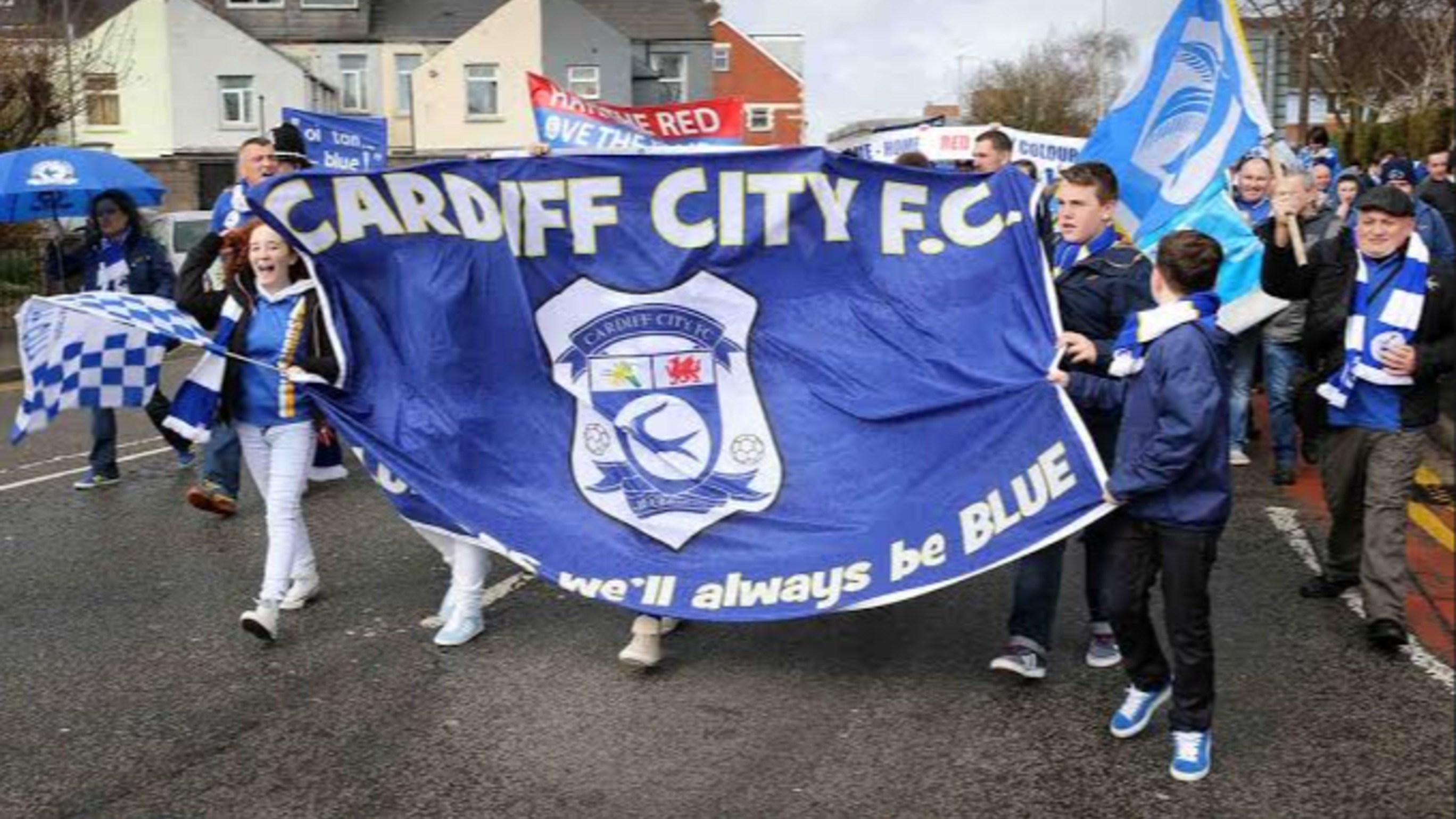
In June 2012, Cardiff City’s new owner announced the club would abandon the blue shirts and bluebird badge it had worn for over a century, switching to red with a dragon crest instead. The stated goal was to make the club more marketable overseas.
What followed instead was two and a half years of protests, boycotted matches, and open hostility between fans and ownership, a case study in exactly how deep a club’s colours run for the people who support it.
A decision made for markets the fans didn’t recognise
Cardiff’s Malaysian owner, Vincent Tan, framed the switch as a commercial necessity, arguing red carried more international recognition and appeal, particularly in Asian markets, than the club’s traditional blue. In exchange, Tan pledged a substantial financial investment to help stabilise a club that had come close to administration in previous years.
For supporters, the calculation looked entirely different: a 114-year-old identity, deeply tied to the city itself, being discarded for reasons that had nothing to do with football.
The backlash was immediate and sustained. Supporters’ groups organised protests outside the stadium, campaigned for a boycott, and kept up pressure throughout Cardiff’s promotion-winning 2012-13 season and their difficult year back in the Premier League that followed. Even a promotion campaign, usually cause for unqualified celebration, was overshadowed by fans who felt increasingly alienated from a club still technically representing their city.
When the backlash finally worked
Attendances told their own story. A Cardiff City Stadium crowd fell to just over 4,000 for an FA Cup tie against Colchester in January 2015, a record low that appeared to finally register with ownership. Tan called a consultation meeting with supporters days later, and within 48 hours announced the club would return to blue for its home kit, with red demoted to an away colour instead.
Cardiff have played in blue ever since, and Tan’s statement announcing the reversal specifically credited conversations with supporters, along with a personal reflection prompted by his own mother, for the change of heart. It was a rare instance of sustained fan pressure directly reversing a top-down ownership decision in modern football, rather than simply being absorbed and outlasted the way most supporter campaigns eventually are.
Why colours carry this much weight
Cardiff’s saga is an extreme example of something that shows up, in smaller forms, at clubs all over the world whenever ownership tampers with kit colours or badges. A shirt colour isn’t just a marketing asset to the people who’ve supported a club for decades. It’s tied up with family history, local identity, and a sense of ownership over something that money alone doesn’t fully control, even when money is what’s actually paying the bills.
Tan’s decision wasn’t reckless in a business sense. It just badly underestimated how much a football club’s colours can mean to the community that’s spent generations calling it their own.
Should club owners have the right to change something as fundamental as team colours or a badge if they believe it serves the business, or do decisions like that belong to supporters as much as to whoever technically owns the club?


