





 1
Michail Antonio Broke His Thigh in Four Places. Now He Just Signed His Comeback Contract.
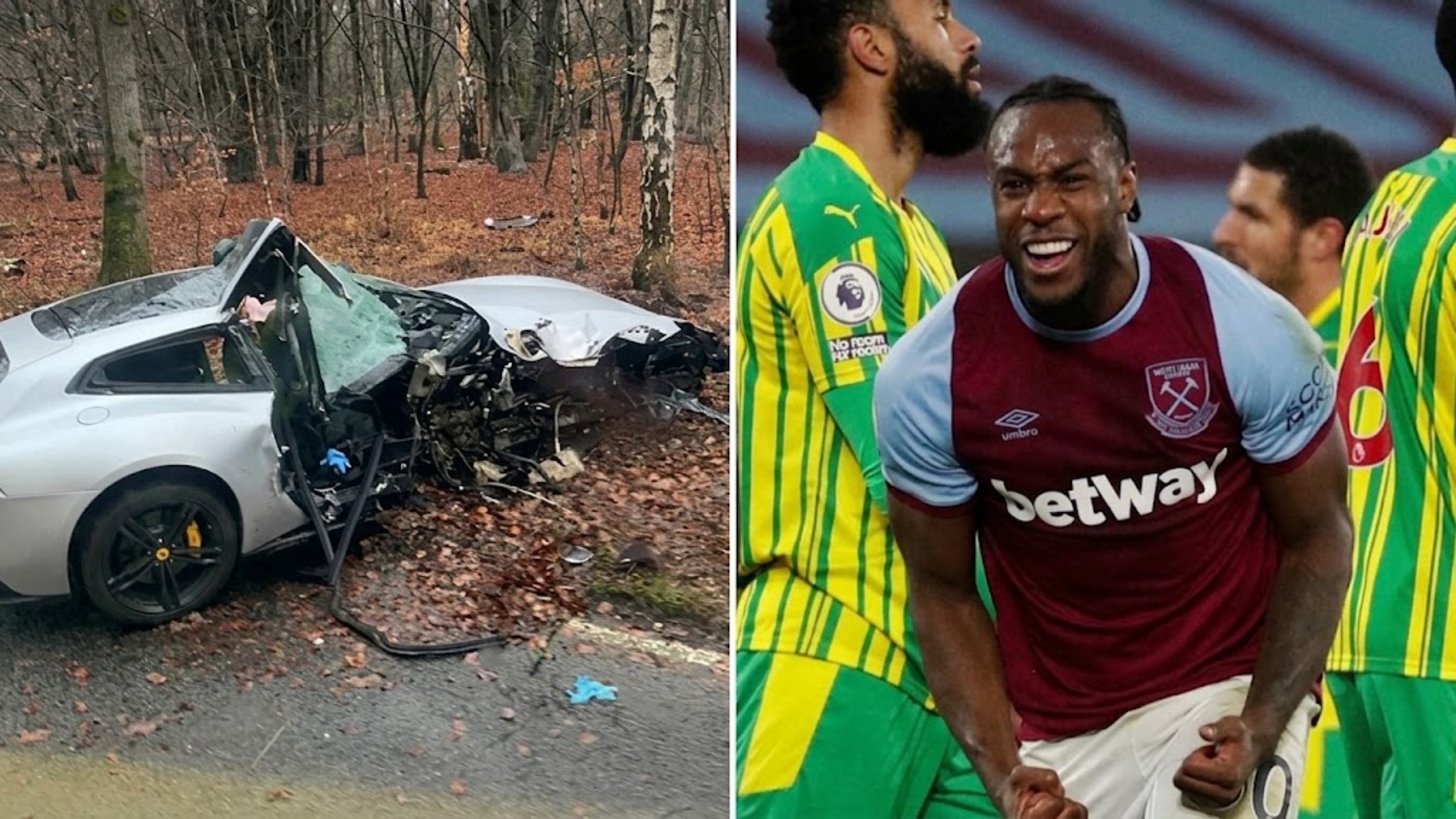
In December 2024, Michail Antonio was involved in a car accident serious enough that he came close to losing his life, leaving him with a fractured thigh bone in four places. This week, at 36, he signed a one-year deal with Championship side Watford.
The parts of this comeback that get skipped over
Antonio didn't go straight from that accident back into professional football. He left West Ham in 2025 after the club, freshly relegated to the Championship, opted not to renew his contract. He then signed with Qatari side Al-Sailiya in March, making just four appearances before that stint ended too. Only after all of that did Watford, a club rebuilding around one of the Championship's youngest starting lineups, take a chance on him.
That path matters. It's not "star player recovers, returns triumphant." It's a decade-long West Ham legend, their all-time Premier League scorer with 68 goals in 268 appearances for the Hammers, going through a smaller club in a different country first because that's what was actually available to him after the injury.
Why physical healing is only step one
A broken femur heals on a timeline doctors can roughly predict. What's much harder to predict, and what Antonio has now spent nearly two years working through, is match sharpness, the specific fitness and instinct that only comes from playing competitive minutes against defenders who are actually trying to stop you.
Watford's head coach Alessio Dionisi has been clear about why he wants Antonio beyond his legs, using his experience to mentor a squad that's notably young for the division. That's a telling detail. Clubs signing a 36-year-old coming off a catastrophic injury aren't usually betting primarily on his sprint speed, they're betting on everything else a player accumulates across a decade in professional football that a serious injury can't take away.
What "coming back" actually requires
Antonio had already been training with Watford's squad for roughly a month before the deal was finalized, quietly rebuilding fitness away from headlines before signing anything official. He's waiting on international clearance just to be available for this weekend's match against Stoke City. Even now, with a contract signed, he's not guaranteed to start.
And that may be the most realistic measure of this comeback. Antonio doesn't need to recreate the player he was at his peak to prove the recovery worked. If he can contribute from the bench, earn minutes, and eventually influence games, that could be a meaningful victory in itself.
That's the part comeback narratives tend to compress into a single triumphant sentence. The accident was one moment. The recovery has been two years of unglamorous, mostly invisible work, training sessions nobody covered, a short spell in Qatar that didn't work out, and a month of trials before a Championship club was willing to commit.
What does professional football actually owe an athlete like Antonio at this stage, another shot at minutes, or has the sport already given him everything it reasonably can after an injury this serious?

Sarajevo Back at the Heart of Regional MMA: SFC Returns with Explosive Matchups

How Buzzer Karma Works: Levels, Penalties, and What They Mean

Inside Buzzer's Latest Update (and Why It Changes How You Use the App)

Buzzer Introduces Ads Console: A New Era of Advertising Across the Entire Buzzer Ecosystem

Buzzer Is Evolving: From Quantity to Quality

Buzzer Now Has a Games Hub, and Tournaments Are Coming

Polo Al Taco Expands Its Global Reach Through Weekly Livestreams on Buzzer Arena TV

Al Ittihad SC's Matches Are Now Live on Buzzer

Palm City vs Gulf United Ends in 1–1 Draw in UAE Second Division League Clash

"We Don't Take the Guy With the Camera." He Built His Own Club Anyway. Now He's Coming to Find You.


 2


