





 0
Yu Zidi Just Won Asian Games Gold. She Turns 14 Next Month.
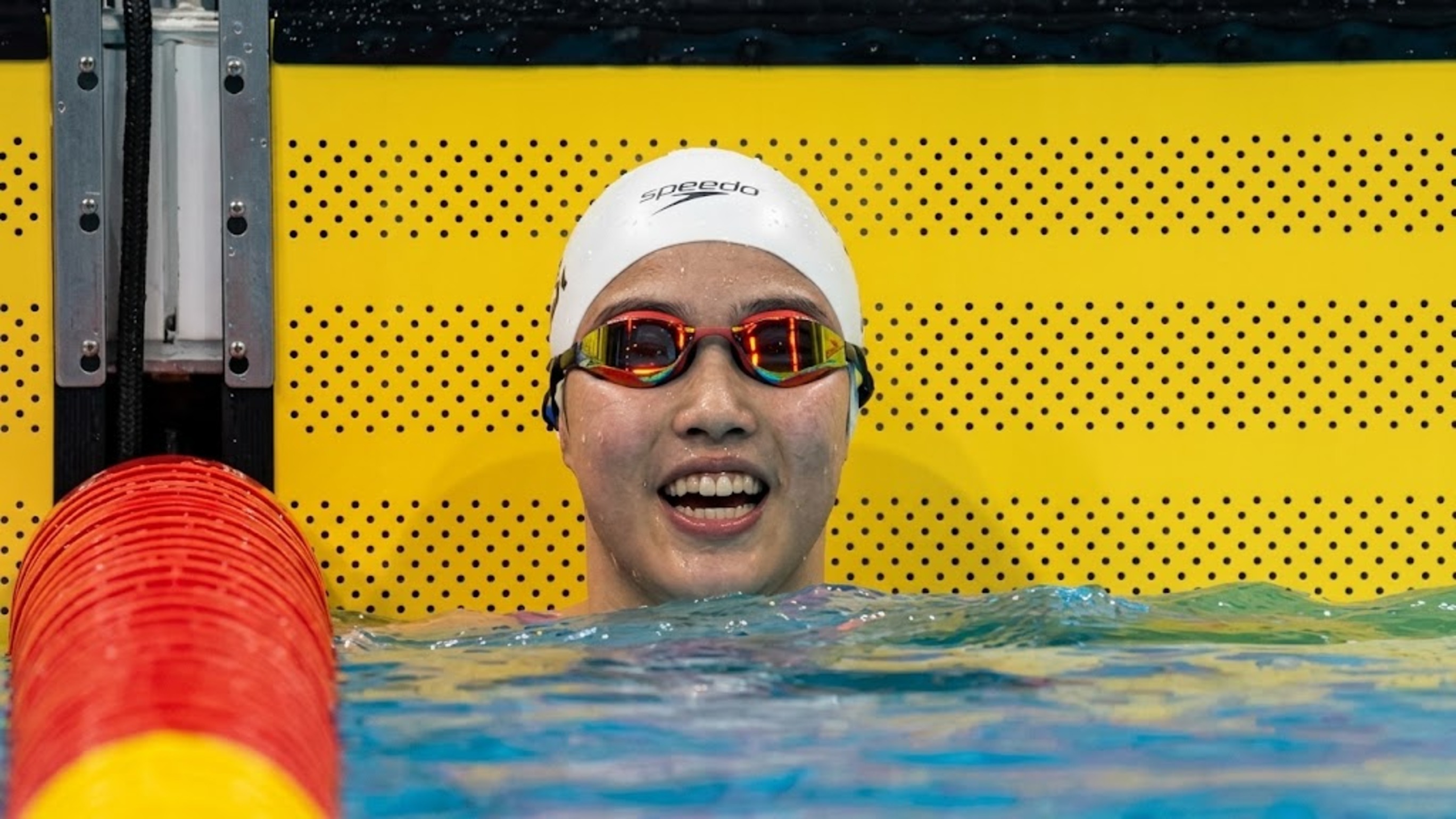
Yu Zidi touched the wall first in the 200m butterfly at Aichi-Nagoya on Sunday, an Asian Games record of 2:05.08, then backed it up Monday with a second gold in the 200m individual medley. She's 13 years old. Her reaction to the first win: "it was only so-so," delivered with a smile, from a competitor most of her rivals' training partners would still consider a child.
Yu isn't simply fast for her age. Her butterfly time in Nagoya would have earned her a podium spot at last year's World Aquatics Championships in Singapore, where she'd already made history as the youngest medalist the event has ever produced, a bronze via relay heats at age 12.
What separates a 13-year-old who wins from one who's just precocious
Plenty of teenagers show flashes of talent that suggest a bright future without translating into actual senior-level results. Yu's case is different in a specific, measurable way: she's not winning junior categories or age-group meets. She's beating fully grown, world-class adult swimmers, including a personal-best performance in March where she out-touched American Olympic medalist Regan Smith in the 200m butterfly.
That gap, between showing promise and actually winning against the world's best right now, is what makes Yu's rise genuinely different from the usual teenage-phenom story. Her body is still developing. Her competitive results already aren't age-adjusted in any meaningful sense.
Why some athletes reach elite level years ahead of their peers
Elite performance at a young age in swimming specifically tends to reflect an unusually favorable combination: early physical maturation relative to peers, a training environment sophisticated enough to develop technique correctly from the start, and a psychological makeup steady enough to handle senior international competition without the nerves that derail most athletes performing on that stage for the first time. Yu's calm, almost dismissive reaction to a gold medal, "so-so," suggests that last piece is already firmly in place.
Her World Championships debut at 12 also sparked genuine debate over age eligibility, since World Aquatics typically requires competitors to be at least 14. Her participation stood specifically because meeting the qualifying time is what actually determines entry, not age, a rule that let her ability outrun the sport's usual assumptions about readiness.
What happens to a phenom this young
History offers a genuinely mixed record here. Summer McIntosh debuted at the Olympics at 14 and has gone on to sustained excellence. Plenty of other early prodigies across swimming's history have burned out, plateaued, or simply failed to translate junior dominance into a lasting senior career once puberty and the rest of the field caught up.
Yu is already looking two years ahead to the Los Angeles Olympics and a potential showdown with McIntosh specifically. Whether that showdown produces the rivalry both swimmers' current trajectories suggest, or whether one of them hits a wall the other doesn't, is exactly the uncertainty that makes teenage phenoms simultaneously so exciting and so genuinely unpredictable to project forward.
What actually determines whether a 13-year-old this dominant becomes a generational champion or a cautionary tale about peaking too early, and is there any reliable way to tell which path Yu is on this soon?

Sarajevo Back at the Heart of Regional MMA: SFC Returns with Explosive Matchups

How Buzzer Karma Works: Levels, Penalties, and What They Mean

Inside Buzzer's Latest Update (and Why It Changes How You Use the App)

Buzzer Introduces Ads Console: A New Era of Advertising Across the Entire Buzzer Ecosystem

Buzzer Is Evolving: From Quantity to Quality

Buzzer Now Has a Games Hub, and Tournaments Are Coming

Al Ittihad SC's Matches Are Now Live on Buzzer

Palm City vs Gulf United Ends in 1–1 Draw in UAE Second Division League Clash

"We Don't Take the Guy With the Camera." He Built His Own Club Anyway. Now He's Coming to Find You.

Building the Infrastructure Sports Tech Forgot


 1


